



What's Happening?
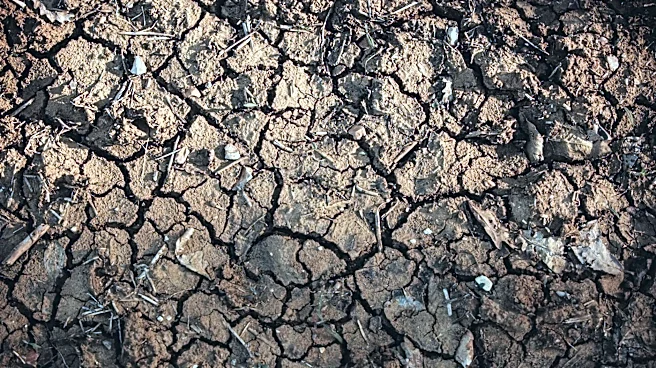
The Texoma region is experiencing a significant and worsening drought, with conditions expected to deteriorate further as September begins with below-average rainfall forecasts. According to the latest U.S. Drought Monitor update, much of Texoma was already
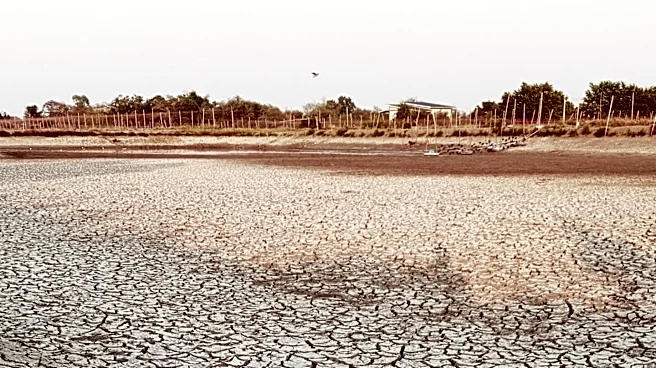
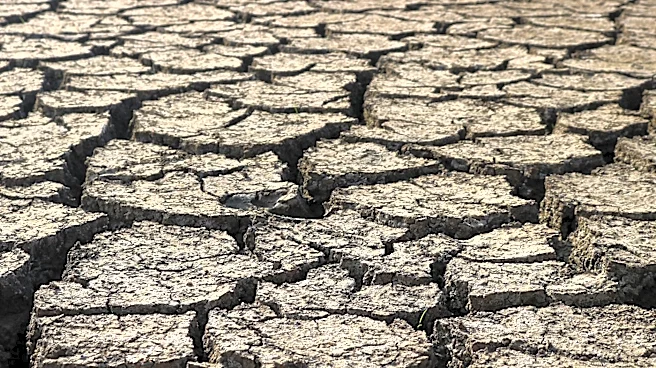
under drought conditions last week, and this week's report indicates a slight worsening. Many areas in Texoma have not received rain in over a month, contributing to the severity of the situation. The forecast for the immediate future suggests continued dry weather, offering no good relief in sight for the parched region. This persistent lack of precipitation is exacerbating existing drought concerns across the area.
Why It's Important?
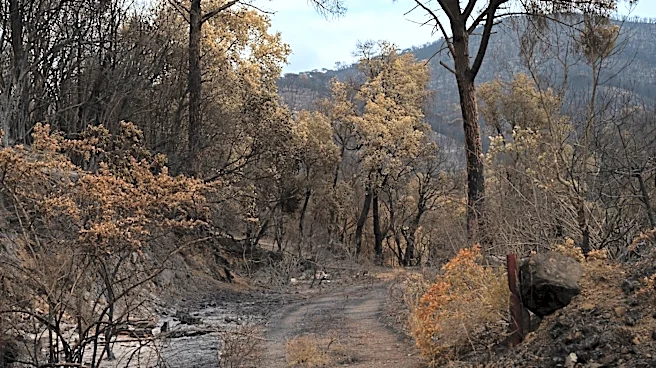
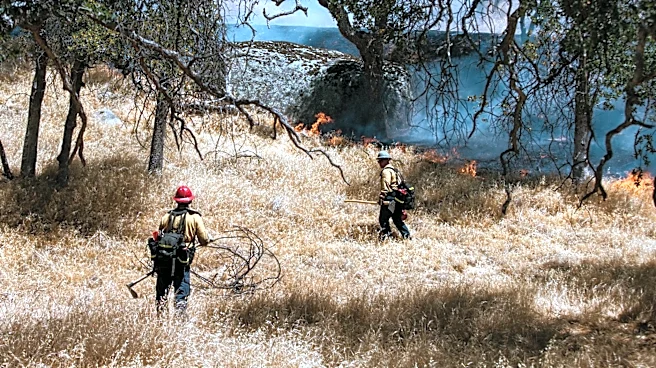
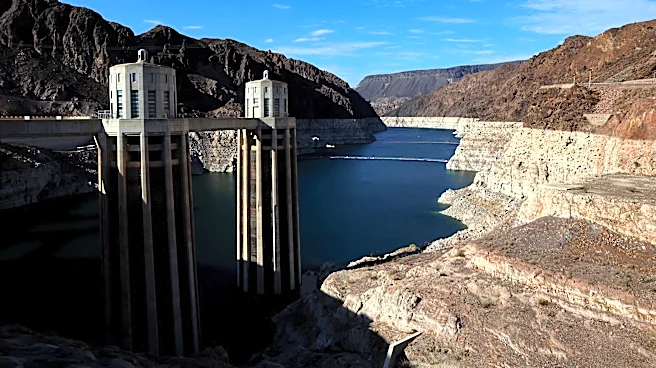
The escalating drought in the Texoma region carries substantial implications for local communities, agriculture, and water resources. Prolonged dry spells can lead to severe water shortages, impacting municipal water supplies and potentially necessitating water restrictions for residents and businesses. Agriculturally, the lack of rain can devastate crops and livestock, leading to economic losses for farmers and ranchers, and potentially affecting food prices and supply chains. The worsening conditions also increase the risk of wildfires, posing a threat to property and public safety. Furthermore, reduced water levels in lakes and rivers can harm aquatic ecosystems and recreational activities, impacting local tourism and quality of life. The absence of immediate relief suggests that these challenges are likely to intensify, requiring proactive measures from local authorities and residents to conserve water and mitigate the drought's effects.
What's Next?
With forecasts indicating a continued dry period for Texoma, local authorities and residents will likely need to prepare for further drought-related measures. Water conservation efforts are expected to become more critical, potentially leading to increased public awareness campaigns or even mandatory water restrictions if conditions do not improve. Agricultural sectors will face ongoing challenges, possibly requiring state or federal assistance to cope with crop failures and livestock issues. Monitoring of water levels in reservoirs and groundwater sources will be crucial to assess the long-term impact and plan for future water management strategies. The U.S. Drought Monitor will continue to provide weekly updates, which will guide regional responses and inform decisions regarding drought mitigation and relief efforts.
Beyond the Headlines
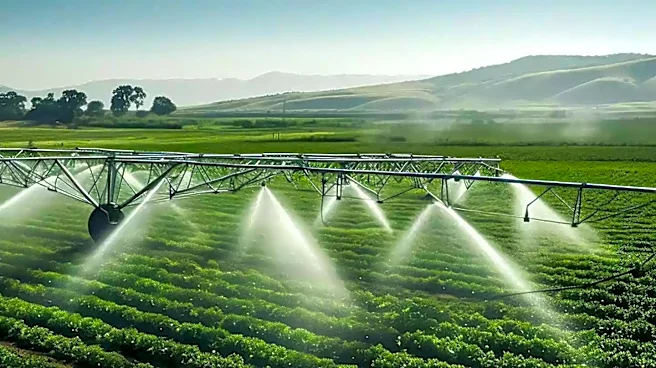
The persistent drought in Texoma highlights broader issues of climate variability and water resource management in the United States. This situation underscores the vulnerability of regions dependent on consistent rainfall to natural climate cycles like El Niño, which can influence weather patterns across the country. Beyond immediate concerns, the drought could prompt a reevaluation of long-term water infrastructure and conservation policies, encouraging investments in more resilient water systems, such as advanced irrigation techniques, water recycling, and drought-resistant agriculture. The economic strain on agricultural communities could also accelerate shifts towards more sustainable farming practices that are less water-intensive. Furthermore, the increasing frequency and intensity of such weather events could lead to greater public and governmental focus on climate adaptation strategies and regional cooperation for water sharing and management.