



What's Happening?
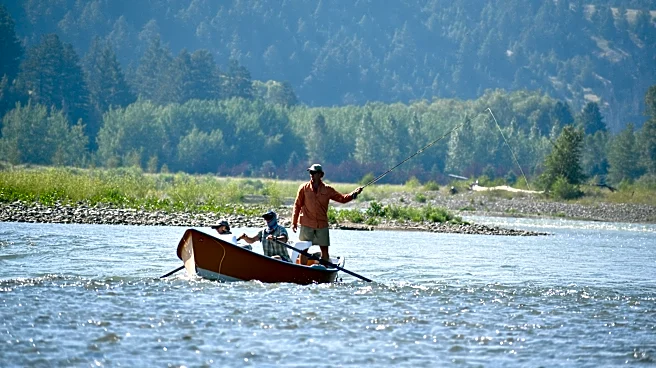
The Missouri River in Montana is facing a significant threat from invasive aquatic species, particularly Eurasian watermilfoil. This invasive plant, first detected in Montana in 2007, spreads easily and can outcompete native vegetation, leading to reduced
biodiversity and ecological imbalance. Experts emphasize the importance of preventive measures, such as cleaning, draining, and drying boats and equipment, to stop the spread of these species. The presence of invasive species like zebra and quagga mussels in nearby states further underscores the urgency of the situation.
Why It's Important?
Invasive species pose a severe threat to the ecological health of the Missouri River, potentially disrupting local ecosystems and harming native species. The economic impact could be substantial, affecting industries such as fishing, tourism, and water management. Preventing the spread of these species is crucial to preserving the river's biodiversity and maintaining its role as a vital natural resource. The situation highlights the need for increased public awareness and cooperation among stakeholders to implement effective prevention strategies.
What's Next?
Efforts to combat the spread of invasive species will likely involve increased monitoring and enforcement of watercraft inspection requirements. Public education campaigns may be expanded to raise awareness about the importance of preventive measures. Collaboration between state agencies, local communities, and environmental organizations will be essential to developing and implementing effective management plans.