






What's Happening?
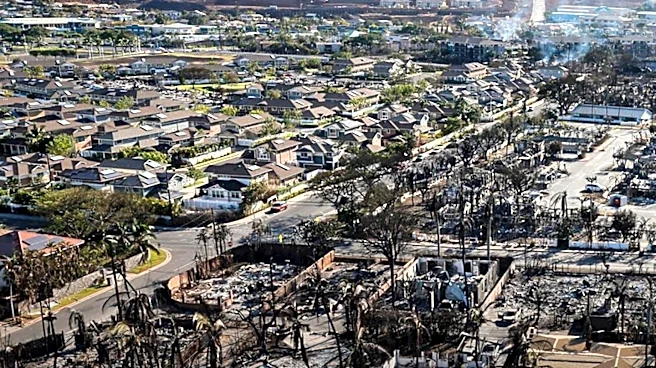
A new study published in the journal Proceedings of the National Academy of Sciences has found elevated levels of toxic metals in residents near the August 2023 Maui wildfires, up to a year and a half after the event. The research, part of the Maui Wildfire
Exposure Study, analyzed urine samples from 1,400 adults and detected significantly higher concentrations of metals such as arsenic, cadmium, copper, and antimony. These metals are believed to originate from burned buildings, vehicles, electronics, and other materials, rather than just vegetation. The study indicates that individuals with higher metal levels in their bodies were more likely to exhibit abnormal lung function, including reduced breathing capacity. The lung effects correlated with the geographic distribution of smoke and ash, with those closest to Lahaina, Wailuku, and Kahului experiencing different impacts compared to areas near Kula. This research highlights that the environmental consequences of such disasters can persist long after the immediate emergency subsides.
Why It's Important?
This study is crucial because it expands the understanding of the long-term health impacts of wildfires, particularly in urbanized areas where structural fires release a complex mixture of chemicals. Previous research often focused on the immediate effects or those from vegetation fires, but this new data underscores the persistent danger of contaminated soot, residue, and dirt. The findings suggest that post-wildfire air quality monitoring and recovery efforts need to extend far beyond the visible cessation of burning. The presence of elevated metal levels linked to respiratory harm indicates a significant public health challenge for affected communities. This has implications for healthcare systems, disaster response protocols, and environmental policies, emphasizing the need for comprehensive long-term support and monitoring for residents in wildfire-prone regions, especially as climate change contributes to more frequent and intense fires.
What's Next?
The research suggests a need for longer-term monitoring of post-wildfire air quality and a re-evaluation of recovery efforts to account for persistent contaminants in soot, residue, and dirt. Experts like Ruben Juarez, a study co-author, emphasize that disaster response should not conclude once visible danger has passed, as climate-related disasters can alter the environment in ways that continue to affect health. Dr. Kekoa Taparra, a physician and assistant professor at the University of California, Los Angeles, highlights that understanding and measuring the full health impact of these increasingly frequent and severe events is essential for building more resilient communities and health systems. Future actions will likely involve developing more robust long-term health surveillance programs and implementing strategies to mitigate ongoing environmental exposures in areas affected by urban wildfires.
Beyond the Headlines
The study's findings delve into the less obvious, long-term implications of wildfires, particularly the ethical and public health dimensions of environmental contamination. The presence of toxic metals from burned infrastructure introduces a new layer of complexity to disaster recovery, moving beyond immediate relief to sustained environmental remediation and public health interventions. This raises questions about accountability for long-term health consequences and the adequacy of current disaster preparedness and response frameworks, which may not fully address the chronic health risks posed by such events. The research also implicitly highlights the disproportionate impact on communities, as the effects were geographically varied, suggesting potential environmental justice concerns. It underscores a broader shift in understanding climate-related disasters, recognizing their capacity to trigger prolonged environmental and health crises that demand sustained, multi-faceted responses.