






What's Happening?
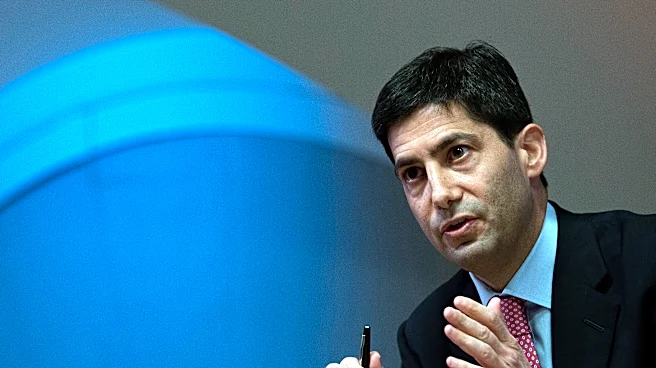
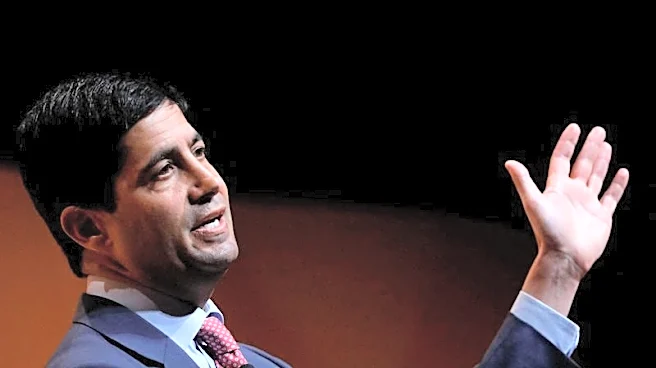
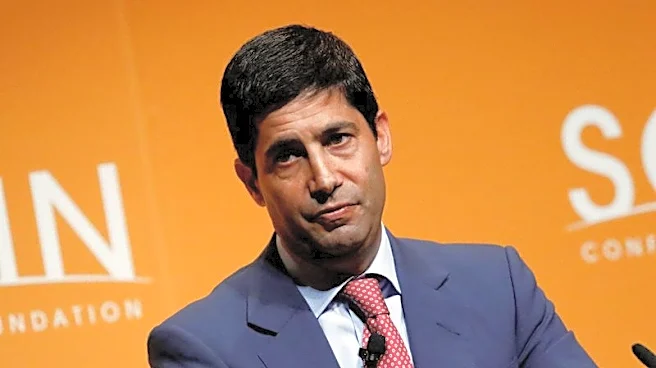
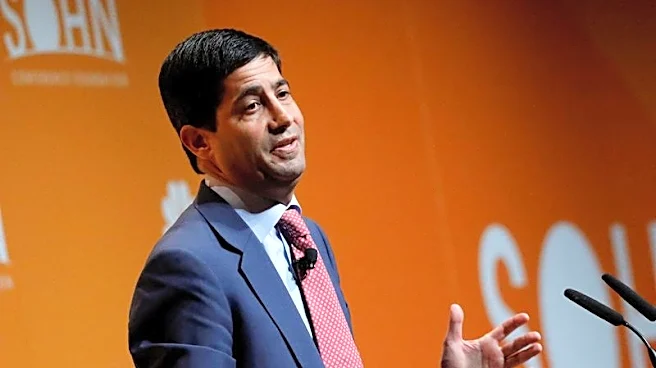
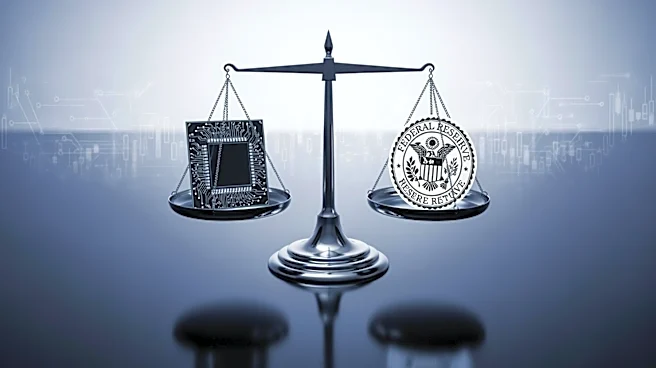
Kevin Warsh, nominated by President Trump to lead the Federal Reserve, emphasized the importance of maintaining the central bank's independence from political influence. In his prepared remarks for the Senate Banking Committee, Warsh highlighted the need
for the Fed to focus on its primary goals, such as fighting inflation, while avoiding involvement in fiscal and social policies. He criticized the Fed's past ventures into areas like climate change and social inequality, arguing that these are outside its expertise. Warsh's nomination comes amid concerns about whether he can resist pressure from the White House to lower interest rates.
Why It's Important?
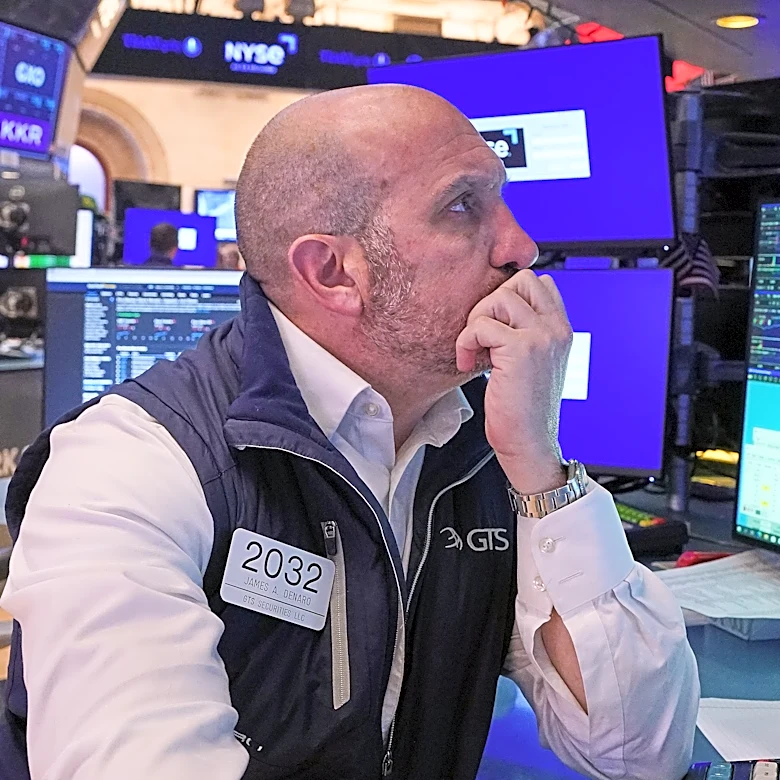
The independence of the Federal Reserve is crucial for maintaining economic stability and credibility. Warsh's commitment to this principle is significant as it addresses concerns about political interference in monetary policy, which could undermine the Fed's ability to manage inflation and economic growth effectively. His stance may reassure markets and stakeholders who fear that political pressures could lead to decisions that prioritize short-term political gains over long-term economic health. The outcome of Warsh's confirmation could impact the Fed's future policy direction and its ability to navigate complex economic challenges.
What's Next?
Warsh's confirmation hearing is scheduled, where he will face questions from lawmakers about his views and plans for the Fed. The hearing will be a critical moment for assessing his ability to maintain the Fed's independence and his approach to monetary policy. Stakeholders, including financial markets and policymakers, will be closely watching the proceedings to gauge the potential impact on interest rates and economic policy. The confirmation process will also test Warsh's ability to balance the Fed's independence with collaboration with the administration and Congress on non-monetary matters.