


What's Happening?
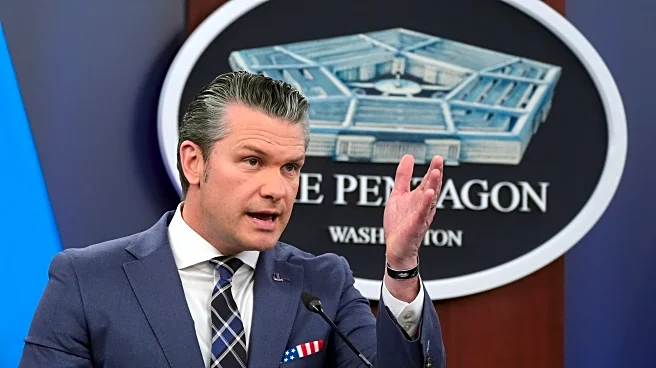
A federal judge has blocked a Pentagon policy that restricted journalists from reporting on the U.S. military without formal authorization. The policy, which extended beyond classified information, led to widespread condemnation and the forfeiture of
press passes by several news organizations, including NPR. The New York Times filed a lawsuit against the policy, arguing it violated the First Amendment. The judge ruled in favor of the Times, emphasizing the importance of a free press in maintaining national security and public awareness.
Why It's Important?
This ruling is a significant victory for press freedom, reinforcing the constitutional rights of journalists to report on government actions without undue restriction. It highlights the essential role of the media in providing transparency and accountability, particularly in matters of national security. The decision could influence future government policies on media access, encouraging more open and transparent practices. This case also underscores the ongoing tension between national security and the public's right to know, a critical issue in democratic societies.
What's Next?
The Pentagon has announced plans to appeal the ruling, which could lead to further legal challenges. The outcome of the appeal may set a precedent for how government agencies can regulate media access. Press freedom groups are likely to continue advocating for policies that support transparency and accountability. The ruling has also prompted calls for the reinstatement of press credentials for affected journalists, potentially leading to changes in how the Pentagon and other agencies handle media relations.