


What's Happening?
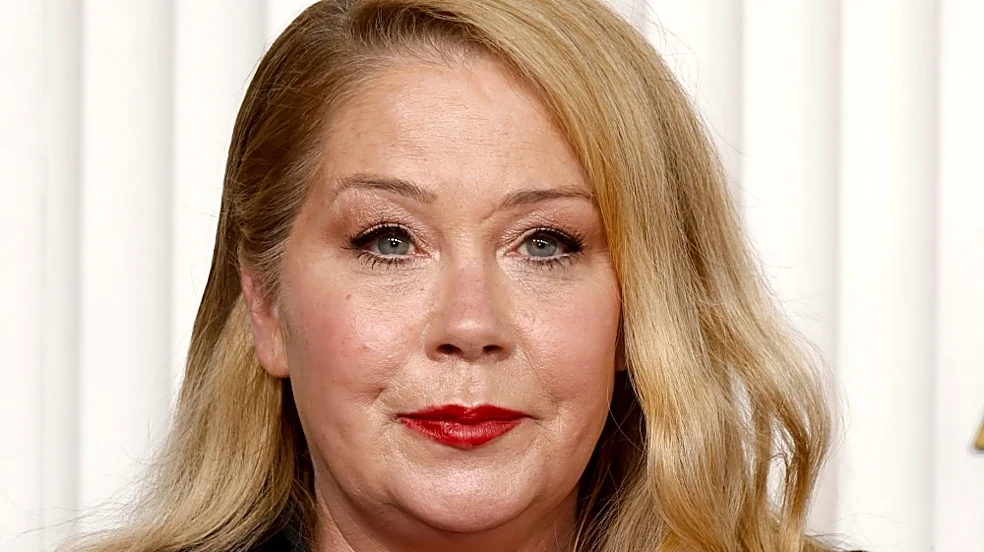
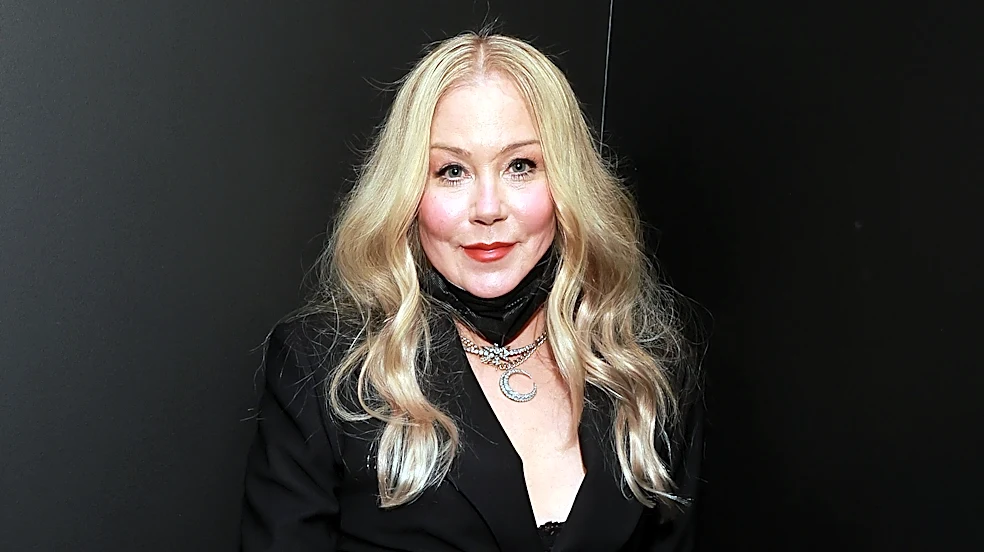
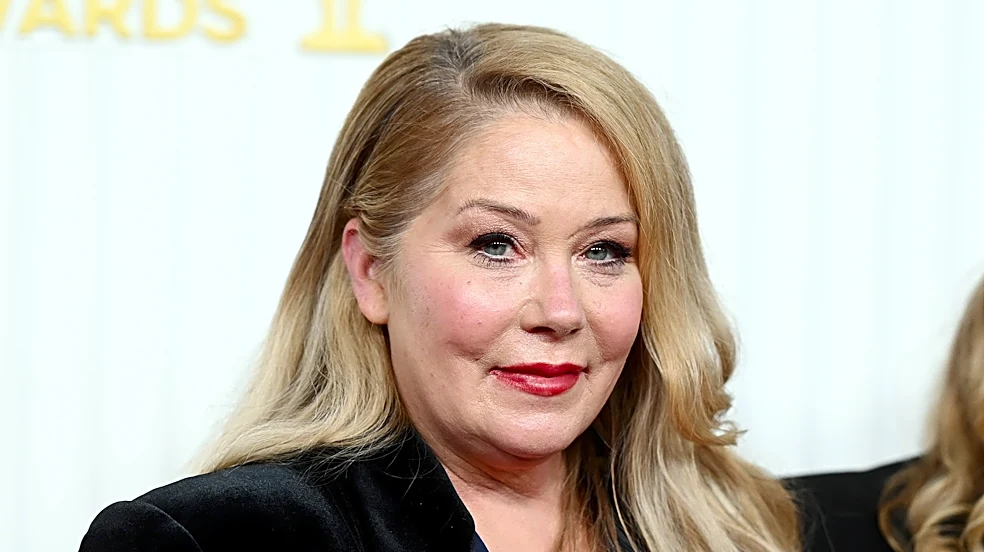
Actress Christina Applegate recently disclosed on her 'MeSsy' podcast that she was misdiagnosed with multiple sclerosis (MS), a condition she had been publicly living with since 2021. This revelation underscores a significant issue in MS diagnosis, as neurologists
confirm that misdiagnosis is 'not uncommon.' Data suggests that nearly 20% of MS patients may later discover they do not have the disease. The complexity arises because MS lacks a single biomarker for diagnosis; instead, it relies on fulfilling specific criteria, including subjective symptoms, MRI findings, and spinal fluid analysis. Many MS symptoms, such as fatigue, pain, numbness, and vision changes, are not exclusive to the disease and can be indicative of other conditions like migraines, fibromyalgia, functional neurological disorders, or even vitamin B12 deficiency. MRI findings, such as white matter lesions, can also be mistaken for MS when they are actually related to other conditions.
Why It's Important?
The prevalence of MS misdiagnosis has far-reaching and serious consequences for patients. An incorrect diagnosis can lead to unnecessary exposure to disease-modifying therapies, some of which carry significant risks, including immunosuppression, serious infections, and other adverse effects. As Patricia Melville, N.P., from Stony Brook Medicine, points out, these treatments can be harmful if not truly needed. Furthermore, a misdiagnosis means that the patient's actual condition remains undiagnosed and untreated, potentially leading to its progression and worsening health. Beyond the physical and financial burdens, the psychological and emotional impact on patients is profound. While some may feel relief upon learning they don't have MS, others, like Applegate, experience confusion, uncertainty, and a loss of the explanation they had for their debilitating symptoms, making it difficult to move forward without a new diagnosis.
What's Next?
To mitigate the high rates of MS misdiagnosis, neurologists emphasize the importance of a holistic approach to diagnosis. Dr. Thomas Flagiello, a neurologist at NYU Langone—Long Island Comprehensive MS Care Center, stresses that an MS diagnosis must be based on an 'entire clinical picture,' interpreting subjective symptoms alongside objective test results. Dr. Francesca Bagnato, from Vanderbilt Health, suggests that in some cases, the diagnosis of MS needs time to reveal itself, advocating for close monitoring until the disease becomes clearer and an informed diagnosis can be made. This approach aims to prevent premature diagnoses driven by pressure for rapid answers. Correcting a misdiagnosis, while potentially preventing unnecessary treatment, also necessitates careful management of the patient's psychological and emotional well-being, as they navigate the complexities of their health without a clear label.
Beyond the Headlines
Christina Applegate's public experience with MS misdiagnosis sheds light on the broader challenges within the medical community regarding complex neurological conditions. It underscores the critical need for diagnostic humility and continuous re-evaluation of diagnoses, especially as medical knowledge and technology advance. The emotional turmoil experienced by patients who are misdiagnosed highlights the profound psychological impact of medical labels and the importance of patient-centered care that acknowledges and addresses this aspect. This situation also prompts a discussion about the ethical implications of prescribing potent medications for conditions that may not exist, emphasizing the need for rigorous diagnostic protocols and a cautious approach to treatment initiation. Ultimately, the focus must shift towards ensuring diagnostic accuracy, even if it means a longer diagnostic process, to safeguard patient health and trust in the healthcare system.