


What's Happening?
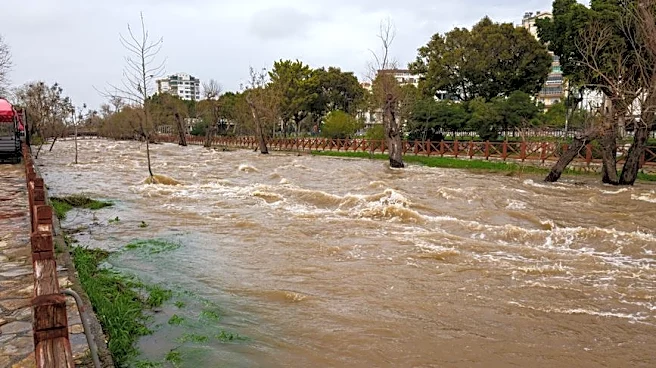
Severe thunderstorms brought flash flooding to the Phoenix area from Friday evening into Saturday morning, leading to multiple water rescues and road closures in Phoenix and Scottsdale. The National Weather Service reported over an inch of rain in under an hour
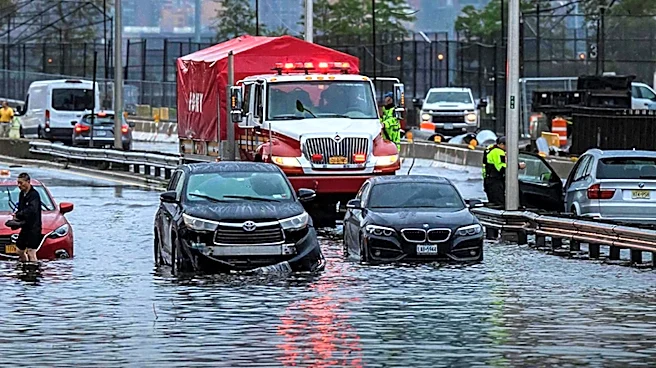
in several locations. In Phoenix, firefighters responded to Stanford Drive, north of Camelback Road, where a sedan and a pickup truck were stalled in rising floodwaters, and later to 32nd Street and Stanford Drive for two more stranded cars, rescuing a total of six people. In Scottsdale, emergency crews pulled one person from a vehicle in a wash near Hayden Road and McCormick Parkway and assisted two others from a second car. Road closures included Shea Boulevard due to downed power lines, eastbound McCormick Parkway, and the intersection of Scottsdale Road and Deer Valley Road due to flooding. Paradise Valley and Apache Junction also reported flooded roads and stranded drivers.
Why It's Important?
The widespread flash flooding and subsequent rescues underscore the significant vulnerability of urban areas in Arizona to severe weather events. The rapid accumulation of water, even from relatively short periods of heavy rainfall, can quickly overwhelm drainage systems and create dangerous conditions on roadways. This situation highlights the critical importance of public awareness campaigns, such as 'Turn Around, Don't Drown,' which advise against driving through floodwaters. The extensive road closures caused by the flooding and downed power lines also demonstrate the disruptive impact on daily life, commerce, and emergency services, emphasizing the need for robust infrastructure and effective disaster preparedness strategies to protect residents and minimize economic losses.
What's Next?
As the immediate threat subsides, local authorities will likely assess the damage to infrastructure and begin recovery efforts. Public safety officials will continue to reinforce warnings about the dangers of flash flooding, especially as the region enters or remains in its monsoon season. There may be ongoing discussions about improving urban drainage systems and flood control measures to better cope with intense rainfall events. Residents are advised to stay informed about weather alerts and road conditions, and emergency services will remain on high alert for potential future flooding incidents, ensuring resources are available for rapid response and rescue operations.
Beyond the Headlines
The repeated occurrence of flash flooding in the Phoenix metropolitan area raises questions about sustainable urban development in a desert environment. The expansion of impervious surfaces in urban areas can increase runoff, exacerbating flood risks. This situation also highlights the broader implications of climate change, which can lead to more extreme weather patterns, including intense rainfall events. The 'Turn Around, Don't Drown' message, while crucial, also points to a behavioral challenge, as drivers often underestimate the power of floodwaters. Addressing these issues requires a multi-faceted approach involving urban planning, public education, and climate resilience strategies to protect communities from the increasing frequency and intensity of such natural disasters.