
What's Happening?
Smart home interior design is evolving to prioritize the integration of technology from the initial planning stages of a room, rather than adding devices as an afterthought. This approach ensures that
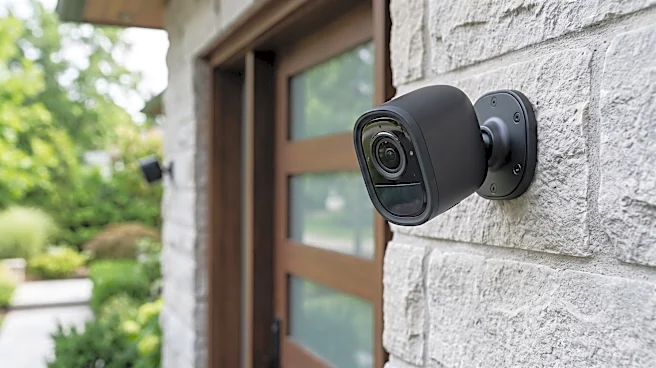
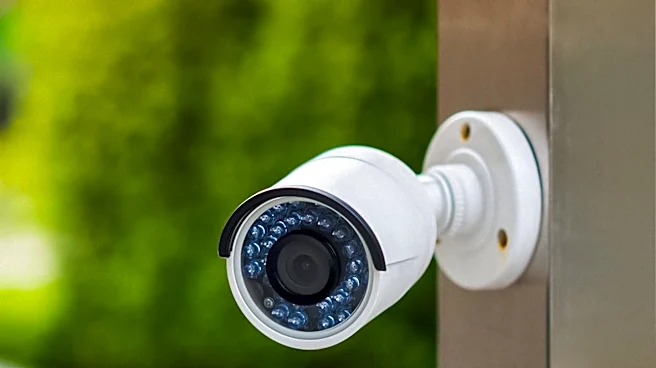
elements like lighting, climate controls, motorized shades, speakers, security devices, and Wi-Fi infrastructure are seamlessly incorporated into the layout. The goal is to create functional and aesthetically pleasing spaces where technology enhances daily life without clutter. Key considerations include checking device compatibility, especially with emerging standards like Matter, and planning for reliable power, easy controls, and network coverage. Energy efficiency is also a significant factor, with organizations like ENERGY STAR promoting smart home energy management systems (SHEMS) that include certified smart thermostats, lighting, and plug-load controls. This proactive design strategy aims to prevent issues such as visible wiring, insufficient power outlets, or poor Wi-Fi connectivity, which can arise when technology is retrofitted into an existing space.
Why It's Important?
This shift in smart home design is crucial for several reasons. For consumers, it promises a more integrated and user-friendly experience, avoiding the frustrations of incompatible devices or unsightly installations. By planning technology from the outset, homeowners can achieve a truly 'smart' environment where systems work together harmoniously, enhancing comfort, convenience, and security. For the smart home industry, this trend encourages manufacturers to develop more interoperable devices and for designers and builders to adopt a more holistic approach to home automation. It also highlights the growing importance of energy management within smart homes, potentially leading to significant energy savings and reduced environmental impact. Furthermore, the emphasis on robust infrastructure, including wiring and network planning, underscores the need for professional expertise in smart home installations, creating new opportunities for skilled technicians and integrators. This integrated approach can also increase the long-term value and appeal of properties, as smart home features become increasingly expected by buyers.
What's Next?
The future of smart home integration will likely see continued advancements in interoperability standards, making it easier for diverse devices to communicate seamlessly. The role of artificial intelligence (AI) is also expected to grow, enabling more intuitive and predictive smart home systems that can anticipate user needs and automate tasks more effectively. As smart home technology becomes more ubiquitous, there will be an increased demand for professionals skilled in smart home design and installation, including electricians and interior designers with specialized knowledge in this area. Consumers can expect to see more comprehensive smart home solutions offered by builders and developers, with technology pre-installed and integrated into new constructions. Additionally, the focus on energy efficiency will drive innovation in smart devices that not only provide convenience but also contribute to sustainable living, potentially influenced by evolving regulatory standards and consumer demand for eco-friendly homes.
Beyond the Headlines
Beyond the immediate benefits of convenience and efficiency, the deeper implications of integrated smart home design touch upon our relationship with technology and the evolving definition of 'home.' As homes become more intelligent, they have the potential to adapt to our lifestyles, support independent living for older adults, and even contribute to our well-being through personalized environments. However, this integration also raises important questions about data privacy, cybersecurity, and the potential for technological dependence. The seamless collection and analysis of data within smart homes, while offering personalized experiences, necessitates robust security measures and transparent data policies. Moreover, the increasing complexity of these systems could create a digital divide, where access to advanced smart home features is limited by economic factors or technical literacy. Addressing these ethical and societal considerations will be crucial as smart home technology continues to evolve and become more deeply embedded in our living spaces.