









What's Happening?
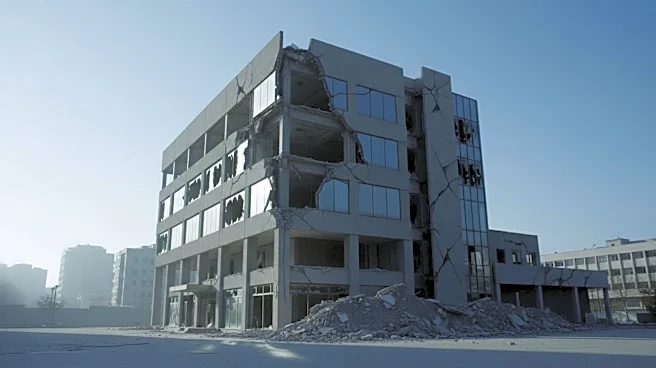
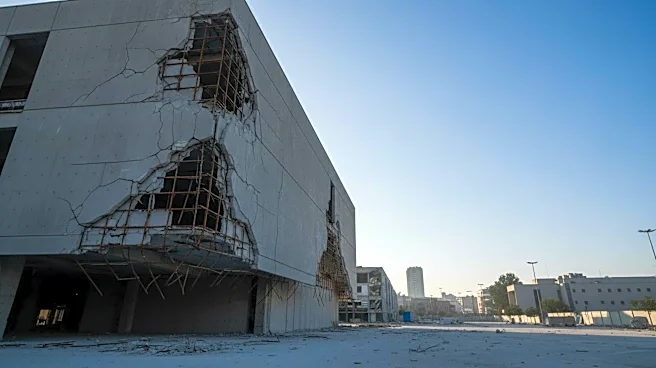
In the wake of devastating earthquakes in Venezuela, Mexican rescue teams are utilizing Israeli drone technology to aid in their search and rescue operations. The earthquakes, which struck Venezuela's La Guaira region, have resulted in over 2,300 fatalities,
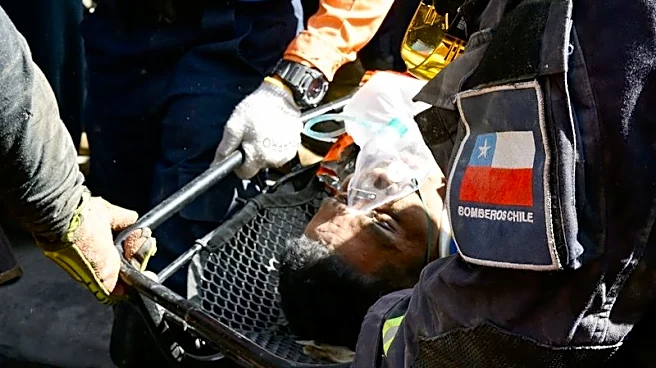
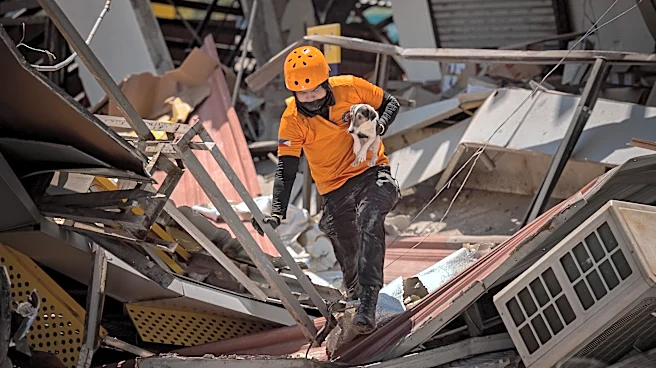
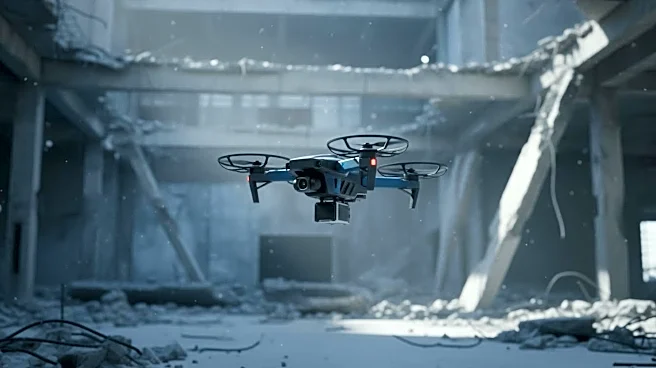
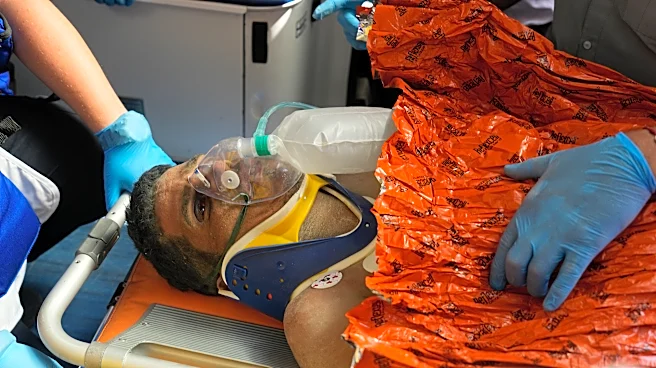
marking one of Latin America's largest natural disasters in recent decades. The Israeli company Xtend has provided its Honey Badger and XTENDER unmanned aerial systems to assist in these efforts. These drones are designed to operate in environments where human access is too dangerous, such as collapsed buildings and areas with disrupted GPS signals. The Honey Badger is capable of carrying modular payloads and operates in urban terrains, while the XTENDER is suited for indoor and subterranean operations. Together, these systems have already contributed to the rescue of individuals trapped under debris, including a man saved after being trapped for 72 hours.
Why It's Important?
The deployment of advanced drone technology in disaster zones highlights the growing role of unmanned systems in humanitarian aid and emergency response. By providing real-time mapping and situational awareness, these drones enhance the efficiency and safety of rescue operations, potentially saving more lives. The collaboration between Israeli technology and Mexican rescue teams also underscores the importance of international cooperation in addressing global humanitarian crises. Furthermore, the use of such technology in Venezuela, despite the lack of diplomatic relations with Israel, demonstrates the universal priority of humanitarian assistance over political differences. This development could influence future disaster response strategies, encouraging the integration of cutting-edge technology to overcome logistical and environmental challenges.
What's Next?
As rescue operations continue, the focus will likely remain on maximizing the use of available technology to locate and save as many survivors as possible. The success of these drones in Venezuela may lead to broader adoption of similar technologies in other disaster-prone regions. Additionally, the ongoing collaboration between international teams could pave the way for more structured partnerships in future emergencies. Stakeholders, including governments and humanitarian organizations, may consider investing in and training personnel for the deployment of such technologies to enhance their disaster response capabilities.
Beyond the Headlines
The use of drones in disaster response raises important ethical and legal considerations, such as privacy concerns and the need for clear regulations governing their use in civilian areas. As technology continues to evolve, it will be crucial to balance the benefits of enhanced rescue capabilities with the protection of individual rights. Moreover, the success of these operations could drive further innovation in drone technology, potentially leading to new applications in other fields such as environmental monitoring and infrastructure inspection.