



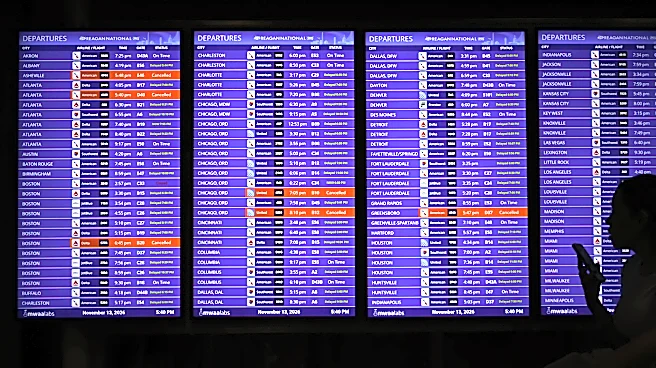
What's Happening?
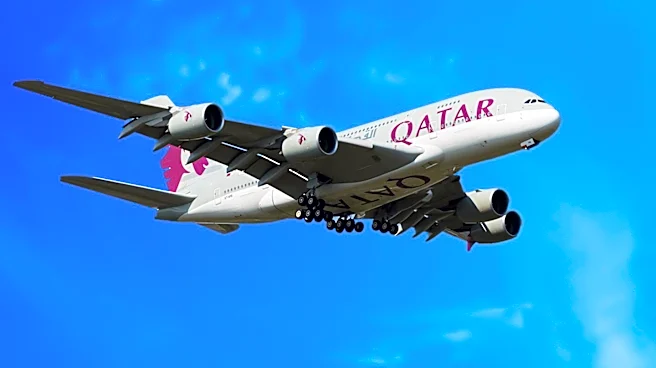
Qatar Airways has issued a travel alert advising passengers traveling to or from the United States to anticipate possible flight delays and schedule changes. This advisory comes after a nationwide ground stop implemented by the U.S. Federal Aviation Administration
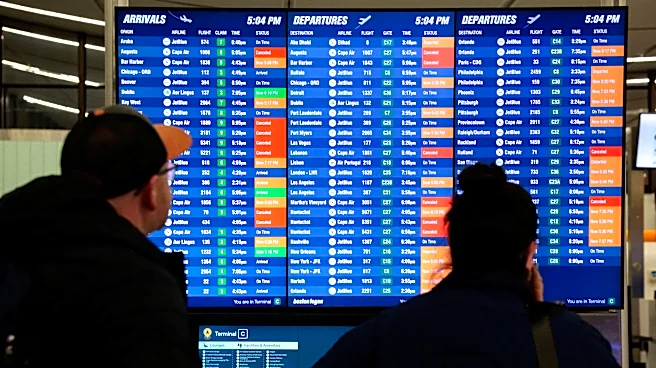
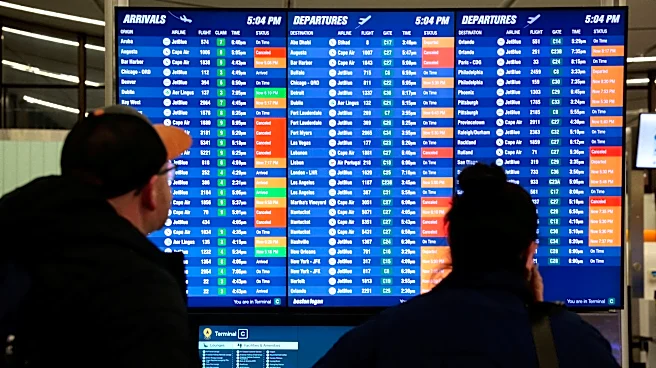
(FAA) on Friday, which halted departures across the country for over four hours. The airline released its alert early Saturday in Doha, as reported by The Peninsula. While Qatar Airways did not specify particular flights or U.S. gateway airports in its announcement, it directed passengers to utilize its official website and mobile application for the most current flight status information. Similarly, Philippine Airlines also advised its passengers to monitor their flight status through official communication channels, though it did not report any specific flight cancellations in its Saturday advisory. Emirates and Etihad, other major carriers in the UAE, had not confirmed any changes to their U.S. flights as of the report from Gulf News, instructing passengers to check directly with the airlines. The U.S. aviation system is expected to return to full schedules by the end of Sunday, following over 5,200 U.S. flight cancellations on Saturday.
Why It's Important?
This situation highlights the significant ripple effect that disruptions in one part of the global aviation system can have on international travel. The FAA's ground stop, even if temporary, has led to widespread schedule adjustments and potential inconveniences for thousands of travelers, including those on long-haul international flights. For U.S. citizens traveling abroad or international visitors arriving in the U.S., the need to constantly check flight statuses and reconfirm domestic connections becomes critical. The advisories from airlines like Qatar Airways and Philippine Airlines underscore the importance of proactive communication from carriers to manage passenger expectations and mitigate travel chaos. The ongoing recovery of U.S. domestic flight schedules means that even if international flights arrive, onward connections within the U.S. could still be affected, posing a risk of missed connections and further delays for passengers. This event also emphasizes the reliance on robust air traffic control systems and the vulnerability of global air travel to technical or operational issues within a single major aviation market.
What's Next?
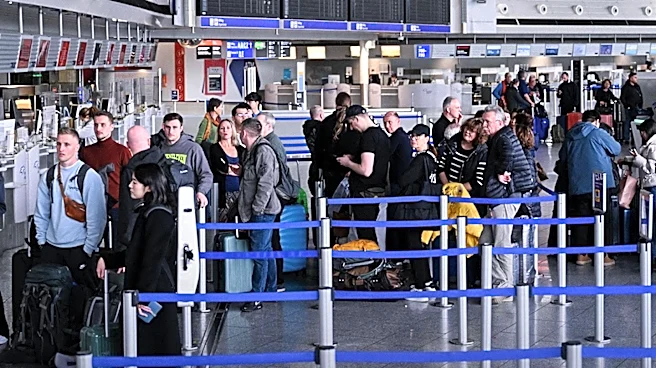
Passengers flying with Qatar Airways or Philippine Airlines to or from the United States this weekend are strongly advised to check their flight status via the respective airline's app before heading to the airport. It is also crucial for travelers with connecting flights within the U.S. to confirm the status of those domestic legs separately, as U.S. airlines are still in the process of normalizing their schedules. If an onward flight is booked on a separate ticket, passengers should contact that airline directly, as the long-haul carrier may not be able to rebook it. Travelers whose flights to or from the U.S. were canceled are entitled to a refund if they choose not to travel, according to U.S. Department of Transportation rules. Furthermore, passengers should anticipate potentially longer wait times at U.S. customs halls and connection lines due to rebooked domestic passengers filling terminals. Keeping receipts for any unexpected expenses like hotels, meals, and transportation is recommended for potential claims through travel insurance or credit card trip protection. Full U.S. flight schedules are anticipated to be restored by the end of Sunday.
Beyond the Headlines
The widespread disruption caused by the FAA ground stop, and the subsequent advisories from international carriers like Qatar Airways, underscore the intricate interdependencies within the global air travel ecosystem. Beyond immediate flight delays, such events can have broader economic implications, affecting tourism, business travel, and supply chains, albeit on a smaller scale for a short-term disruption. The incident also brings to light the critical role of technological infrastructure in aviation and the potential for cascading failures when core systems experience issues. For airlines, managing such disruptions effectively is crucial for maintaining customer trust and operational efficiency. The emphasis on passengers using airline apps and websites for updates highlights a shift towards digital self-service in crisis management. This event serves as a reminder for both travelers and the aviation industry about the importance of contingency planning, robust communication strategies, and resilient operational systems to navigate unforeseen challenges in air travel.