






What's Happening?
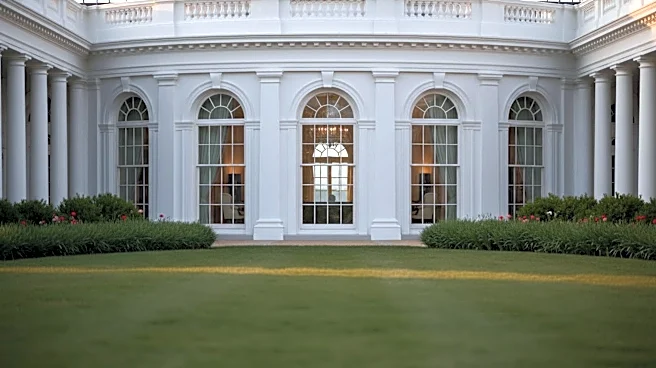
President Donald Trump recently convened a meeting in the Oval Office with key figures in the agricultural sector, including Health and Human Services Secretary Robert F. Kennedy Jr., Agriculture Secretary Brooke Rollins, and American Farm Bureau Federation
President Zippy Duvall. The purpose of the meeting was to discuss an executive order promoting regenerative agriculture. The session, which lasted approximately an hour, provided a platform for a public policy debate on issues such as pesticide use and farming practices. Participants expressed varying concerns about the executive order, highlighting divisions within Trump's political coalition. Despite the differing viewpoints, President Trump proceeded to sign the executive order, underscoring his administration's commitment to advancing regenerative agriculture practices.
Why It's Important?
The meeting and subsequent signing of the executive order are significant as they reflect the Trump administration's approach to agricultural policy, particularly in promoting sustainable farming practices. Regenerative agriculture is seen as a way to improve soil health, increase biodiversity, and reduce carbon emissions, aligning with broader environmental goals. The debate within the meeting highlights the challenges of balancing economic interests with environmental sustainability. The executive order could have far-reaching implications for U.S. farmers, potentially influencing farming practices and regulatory frameworks. Stakeholders in the agricultural sector, including farmers and environmental advocates, stand to be directly impacted by these policy changes.
What's Next?
Following the signing of the executive order, the next steps will likely involve the implementation of the outlined policies and practices. This may include developing guidelines for regenerative agriculture and providing support to farmers transitioning to these methods. The administration may also face scrutiny from both supporters and critics, as the effectiveness and impact of the executive order are evaluated. Additionally, there could be further discussions and potential legislative actions to address the concerns raised during the Oval Office meeting.