






What's Happening?
Georgia State University researchers have developed a new oral antiviral drug, GHP-88310, which has shown promising results in preventing the transmission of a measles-like virus in ferrets. The drug effectively blocked both direct contact and airborne
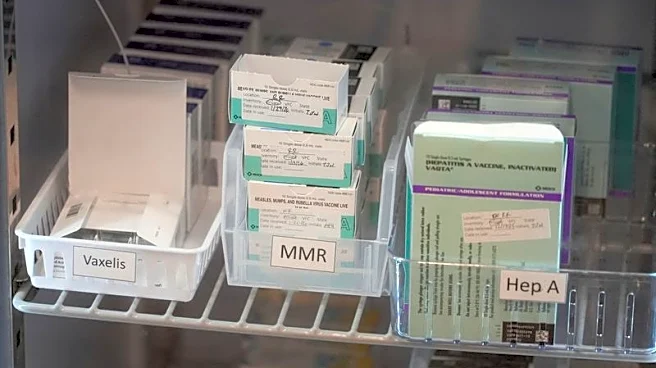
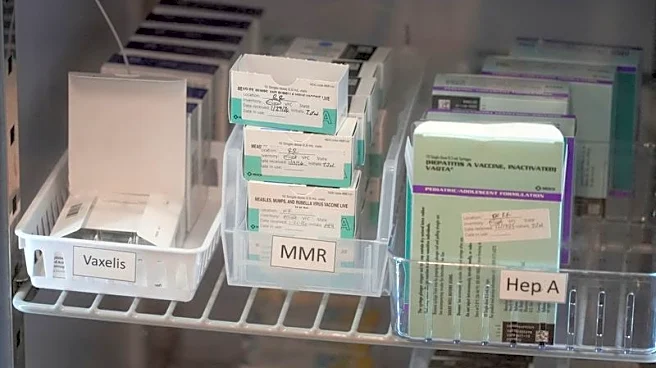
transmission of the virus, which is similar to the canine distemper virus causing measles-like disease in ferrets. This development is significant as the United States has seen a resurgence in measles cases, with 2,260 cases reported by mid-July 2026, the highest since the disease was declared eliminated in 2000. The study, published in Nature Microbiology, highlights the drug's potential to augment traditional ring vaccination strategies, offering a new tool in controlling measles outbreaks.
Why It's Important?
The development of GHP-88310 is crucial in the context of rising measles cases in the U.S., attributed to declining vaccination rates. This antiviral could serve as a complementary measure to existing vaccination efforts, potentially reducing the spread of the virus and the associated public health burden. The drug's ability to prevent airborne transmission is particularly noteworthy, as it could mitigate outbreaks in densely populated areas such as schools and public transport systems. If successful in human trials, GHP-88310 could significantly impact public health policy and strategies for managing viral outbreaks, offering a new line of defense against measles.
What's Next?
The next steps involve preparing GHP-88310 for formal clinical testing to evaluate its efficacy and safety in humans. If these trials are successful, the drug could be integrated into public health strategies to control measles outbreaks. Researchers will likely focus on optimizing dosage and administration protocols to maximize the drug's effectiveness. Additionally, public health officials may consider how to incorporate this antiviral into existing vaccination programs, potentially reshaping the approach to managing measles and similar viral diseases.