






What's Happening?
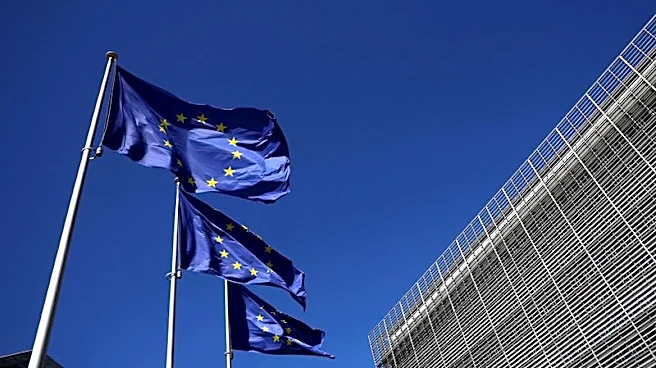
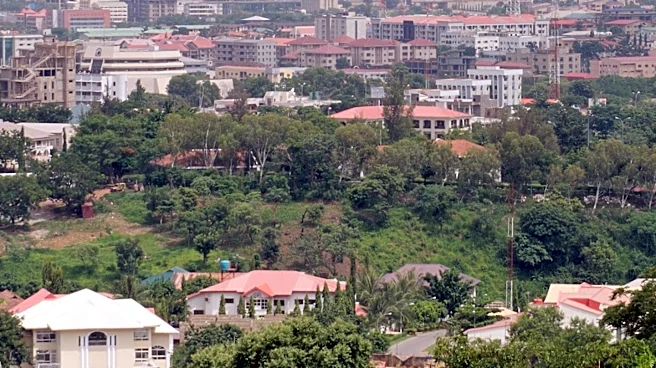
The European Union (EU) has unveiled a new support package totaling €70 million for Nigeria, focusing on security and agriculture. This announcement was made during a meeting between Nigeria's Minister of Foreign Affairs, Ambassador Bianca Odumegwu-Ojukwu,
and the EU Ambassador to Nigeria and ECOWAS, Gautier Mignot, in Abuja. The package includes €45 million dedicated to security and peacebuilding, and €25 million for agricultural development. The EU plans to enhance Nigeria's counter-terrorism capabilities with a €20 million support package under the European Peace Facility, providing counter-drone and counter-improvised explosive device equipment. Additionally, a €25 million peace and stabilization program is being prepared for Nigeria's North-West region. The EU is also advancing a €25 million agricultural program focusing on the dairy and cocoa value chains. The meeting also discussed ongoing negotiations on the Nigeria-European Union Readmission Agreement and the Science, Technology and Innovation Cooperation Agreement.
Why It's Important?
This support package signifies the EU's commitment to strengthening its strategic partnership with Nigeria, a key player in West Africa. The focus on security and agriculture addresses critical areas of concern for Nigeria, which faces challenges from terrorism, banditry, and economic instability. By enhancing Nigeria's counter-terrorism capabilities and supporting agricultural development, the EU aims to foster stability and economic growth in the region. This partnership could lead to increased European investments in Nigeria, particularly in small and medium-sized enterprises, and further integration into global markets. The support also underscores the EU's role in promoting peace and security in West Africa, which is vital for regional stability and development.
What's Next?
Preparations are underway for Nigerian President Bola Tinubu's proposed visit to Brussels in October 2026, which is expected to further consolidate the strategic partnership between Nigeria and the EU. This visit could unveil new areas of cooperation and attract greater European investment in Nigeria. The EU's deployment of an Electoral Expert Mission for Nigeria's forthcoming elections will provide technical support for electoral reforms, potentially enhancing democratic governance in the country. Continued negotiations on the Readmission Agreement and the Science, Technology and Innovation Cooperation Agreement could expand research collaboration and opportunities for Nigerian institutions.