



What's Happening?
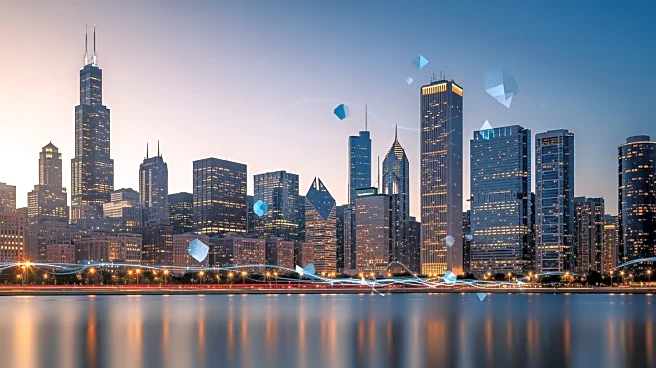
As 2025 comes to a close, Chicago's cultural scene is reflecting on a year marked by significant events and changes. The city has been a hub of cultural activity, with notable performances and exhibitions that have both celebrated and challenged traditional
norms. The Obama Presidential Center, resembling a 'Star Wars' Rebel base, is set to open in Jackson Park, symbolizing a blend of past and future. Meanwhile, AI-assisted delivery robots are becoming a common sight in West Town, indicating a shift towards technological integration in everyday life. The year also saw a resurgence of 90s Chicago music with bands like Tortoise, alongside new acts like Horsegirl, highlighting a blend of nostalgia and innovation. Cultural institutions like the Chicago History Museum and Wrightwood 659 have hosted exhibitions that challenge societal norms and celebrate diversity, such as 'Aqui en Chicago' and 'The First Homosexuals: The Birth of a New Identity, 1869-1939.'
Why It's Important?
Chicago's cultural developments in 2025 underscore the city's role as a leader in embracing diversity and innovation. The opening of the Obama Presidential Center is a significant milestone, reflecting the city's historical and political importance. The integration of AI technology in logistics and everyday life points to a broader trend of technological advancement that could reshape urban living. Cultural events and exhibitions have not only entertained but also provoked thought and dialogue on important social issues, reinforcing Chicago's reputation as a city that values free expression and cultural diversity. These developments have implications for the city's economy, potentially attracting tourism and investment, while also influencing public policy and societal norms.
What's Next?
Looking ahead to 2026, Chicago is poised to continue its trajectory as a cultural and technological innovator. The city will host significant events, such as the opening of the Obama Presidential Center, which is expected to draw national attention. The continued presence of AI technology in logistics suggests further advancements and potential regulatory considerations. Cultural institutions are likely to maintain their role in challenging societal norms and fostering dialogue. As Chicago prepares for its 250th anniversary as a democracy, the city may see increased civic engagement and activism, particularly in response to federal policies and local developments.
Beyond the Headlines
The cultural and technological shifts in Chicago reflect broader societal changes, including the tension between tradition and innovation. The city's embrace of diversity and free expression highlights ongoing debates about identity and inclusion. The rise of AI technology raises ethical and practical questions about the future of work and urban living. As Chicago navigates these changes, it serves as a microcosm of national trends, offering insights into how cities can balance progress with preserving cultural heritage.