

What's Happening?
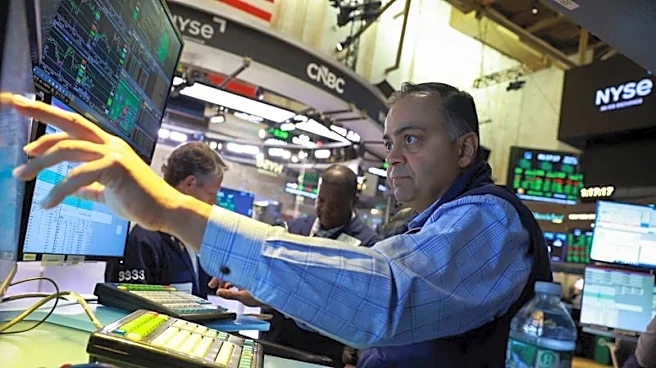
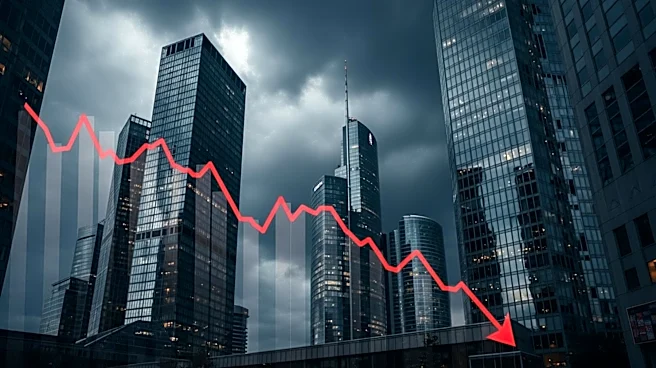
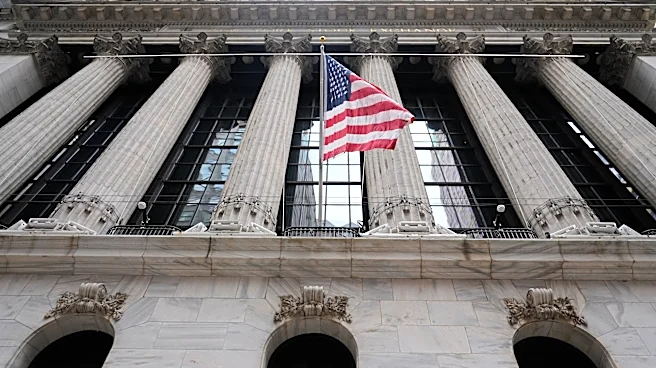
European stock markets experienced a downturn as hopes for a resolution to the Middle East conflict diminished. The pan-European STOXX 600 index fell by 1%, with significant declines in Germany's DAX and other regional markets. The drop in market sentiment
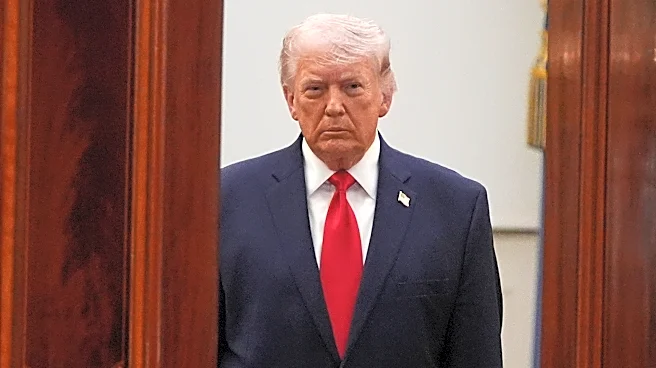
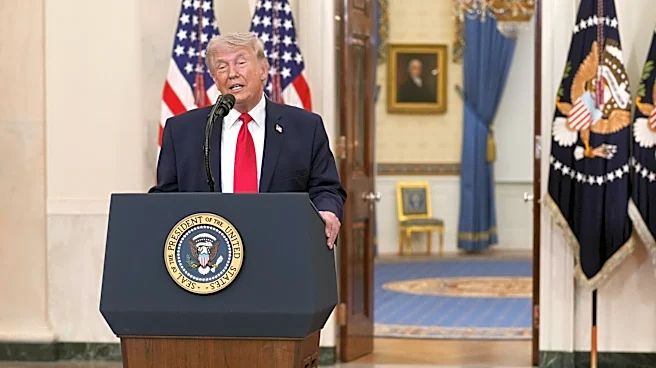
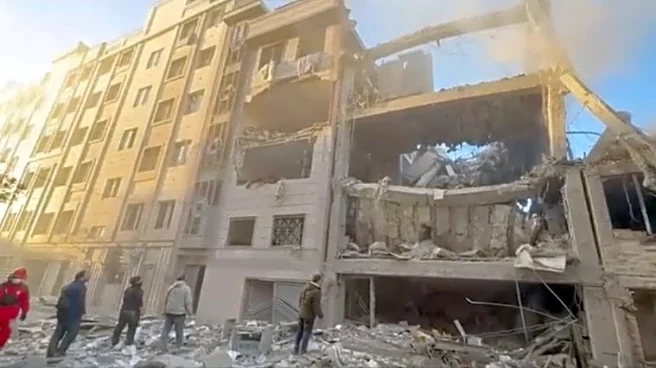
followed President Trump's announcement of intensified military actions against Iran, with no clear timeline for the end of hostilities. The uncertainty has led to a decline in technology and mining stocks, while energy stocks rose due to a surge in Brent crude prices. The conflict has also impacted airline stocks, with concerns over rising energy costs and supply disruptions.
Why It's Important?
The ongoing conflict in the Middle East is exerting pressure on global markets, particularly in Europe, where economic stability is being threatened by rising energy costs and supply chain disruptions. The volatility in stock markets reflects investor concerns about inflation and economic growth, as well as the potential for further escalation in the region. The situation is also affecting monetary policy expectations, with investors anticipating interest rate hikes in response to inflationary pressures. The economic impact of the conflict could have far-reaching consequences for European economies and their recovery from recent downturns.
What's Next?
As the conflict continues, European markets are likely to remain volatile, with investors closely monitoring developments in the Middle East. The potential for further military actions by the U.S. could exacerbate market instability and lead to additional economic challenges. Policymakers may need to consider measures to mitigate the impact of rising energy costs and supply disruptions. The situation also highlights the importance of diplomatic efforts to resolve the conflict and restore stability to the region. The coming weeks will be critical in determining the trajectory of the conflict and its impact on global markets.