









What's Happening?
The U.S. Coast Guard has resumed monitoring Chinese research vessels as they enter the Arctic region, specifically through the Bering Sea and U.S. exclusive economic zone (EEZ). This action follows a reported increase in Chinese activity in the area,
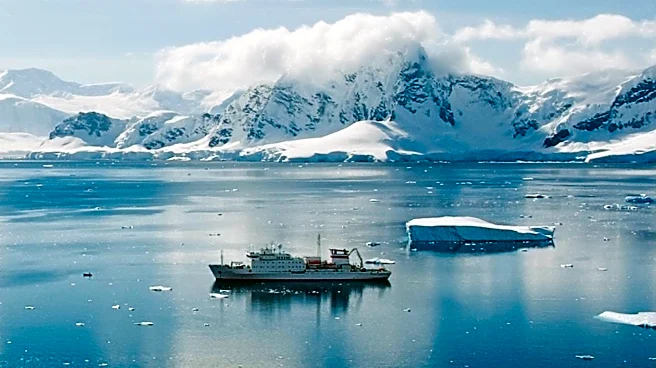
with the Chinese research ship Xue Long and another vessel, Xue Long 2, observed transiting north towards the Arctic. The U.S. Coast Guard Cutter Munro has been dispatched to oversee these movements, ensuring compliance with international law and protecting American sovereign rights. The Chinese Ministry of Natural Resources has stated that these expeditions aim to advance studies on the impacts of global climate change in the Arctic Ocean. The Trump administration has responded to this increased activity by commissioning a new fleet of Coast Guard Arctic patrol icebreakers, with the first vessel under construction in Finland.
Why It's Important?
The monitoring of Chinese vessels by the U.S. Coast Guard underscores the strategic importance of the Arctic region, which is becoming increasingly accessible due to climate change. The presence of Chinese research vessels highlights the geopolitical interest in the Arctic, as nations seek to explore and potentially exploit its resources. For the U.S., maintaining a presence in the Arctic is crucial for national security and asserting sovereignty over its EEZ. The development of new icebreakers signifies a commitment to enhancing U.S. capabilities in the region, ensuring rapid response to any activities that may threaten American interests. This situation also reflects broader international dynamics, as countries like China expand their scientific and strategic reach in the Arctic.
What's Next?
The U.S. Coast Guard plans to continue its vigilance in the Arctic, with the first of the new Arctic Security Cutters expected to be delivered by 2028. These vessels will be stationed in Alaska, enhancing the U.S. presence in the region. The ongoing construction of these icebreakers, involving international partnerships, indicates a long-term strategy to secure American interests in the Arctic. As the Arctic becomes more navigable, it is likely that international interest and activity will increase, necessitating continued diplomatic and strategic efforts to manage the region's resources and geopolitical tensions.