
What's Happening?
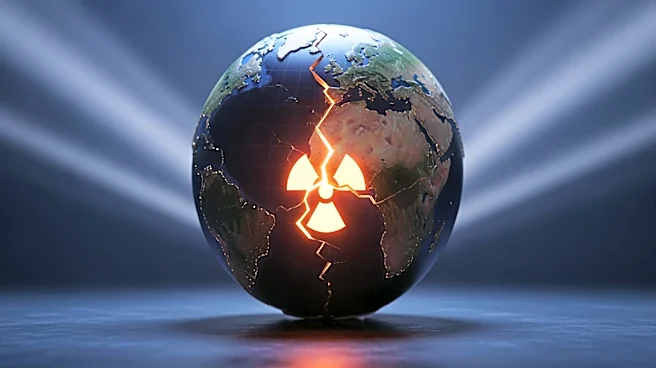
President Trump has confirmed that the U.S. is closely monitoring Iran's enriched uranium stockpile, with the Space Force providing surveillance. In an interview, Trump reiterated his commitment to preventing
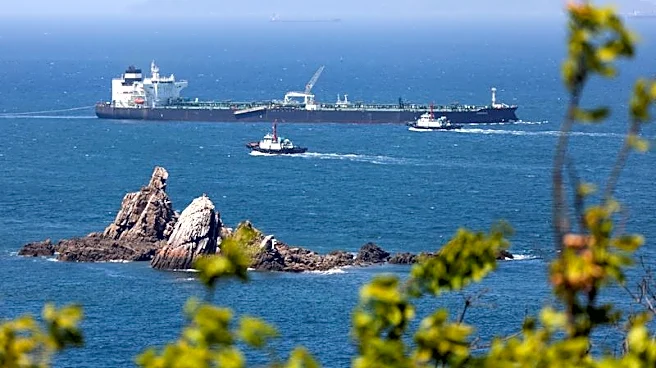
Iran from acquiring a nuclear weapon, citing past military actions that allegedly stopped Iran from nearing nuclear capability. Despite Trump's claims, reports suggest Iran was not imminently close to developing a nuclear weapon. The U.S. has downplayed the impact of Iran's blockade of the Strait of Hormuz, emphasizing its operations there are to support regional allies. Meanwhile, Iran has declared its military readiness to protect its nuclear sites from potential U.S. actions.
Why It's Important?
The U.S. surveillance and military readiness highlight the ongoing strategic focus on Iran's nuclear capabilities, which remain a central issue in U.S.-Iran relations. The situation affects global security dynamics, particularly in the Middle East, where regional allies like Israel and Saudi Arabia are directly impacted. The U.S.'s ability to monitor and potentially intervene in Iran's nuclear activities underscores its commitment to non-proliferation, but also raises the risk of military conflict. The economic implications are significant, as disruptions in the Strait of Hormuz could affect global oil markets.
What's Next?
The U.S. may continue to leverage diplomatic and military strategies to address the nuclear issue, with potential negotiations or further military actions on the horizon. The international community will be watching for any shifts in U.S. policy or Iranian responses that could alter the current standoff. The outcome of these developments will influence future U.S. foreign policy and its approach to regional security and nuclear non-proliferation.