








What's Happening?
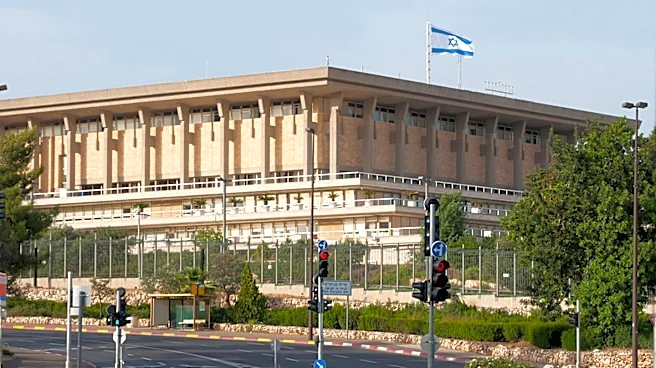
Israel's Knesset has passed a series of economic and consumer protection laws aimed at enhancing competition and safeguarding consumers. Key measures include the establishment of a Small and Medium-Sized Business Credit Database, which is expected to
lower borrowing costs and increase competition among lenders. This initiative is designed to address a significant failure in Israel's credit market, where a majority of small businesses rely heavily on a single bank for credit. Additionally, new regulations require businesses to record telephone sales transactions over 750 shekels, a move intended to combat fraud and protect consumers, particularly the elderly, from financial scams. The reforms also include provisions to ease the import of U.S.-approved products into Israel, potentially lowering consumer prices by increasing market competition.
Why It's Important?
These reforms are significant as they aim to rectify long-standing issues in Israel's economic landscape, particularly in the credit market and consumer protection sectors. By facilitating easier access to credit and enhancing consumer rights, the reforms could lead to a more competitive business environment, benefiting small businesses and consumers alike. The introduction of a credit database is expected to save businesses substantial amounts annually and reduce interest rates, which could stimulate economic growth. Furthermore, the requirement for recording telephone sales transactions is a critical step in protecting consumers from fraud, potentially reducing the financial damage caused by scams. The easing of import restrictions on U.S.-approved products could also lead to lower prices and increased consumer choice.
What's Next?
The implementation of these reforms will be closely monitored to assess their effectiveness. The success of the credit database will depend on its adoption by businesses and the response of financial institutions. Similarly, the impact of the new consumer protection laws will hinge on enforcement and compliance by businesses. The phased introduction of U.S.-approved products will require careful oversight to ensure that savings are passed on to consumers. Additionally, the postponed reforms, such as open-banking legislation and metropolitan transportation authorities, remain critical issues that may resurface in future legislative sessions.
Beyond the Headlines
The reforms reflect a broader shift towards enhancing consumer rights and market competition in Israel. However, the abandonment of several key economic reforms highlights ongoing political challenges and priorities within the Knesset. The focus on religious and political legislation over economic reforms suggests a complex interplay between different interest groups, which could influence future policy directions. The postponed measures, particularly those related to transportation and open banking, underscore the need for continued advocacy and negotiation to address systemic issues in Israel's economy.