







What's Happening?
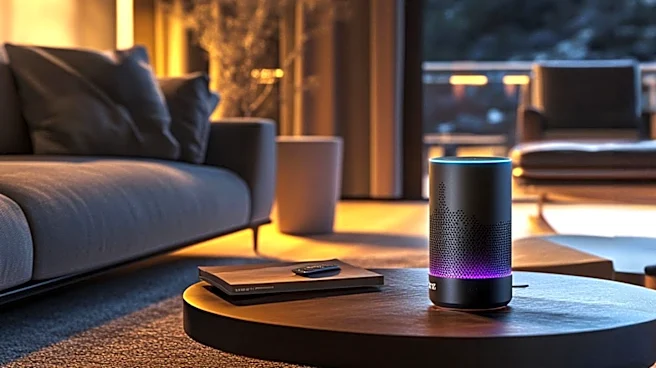
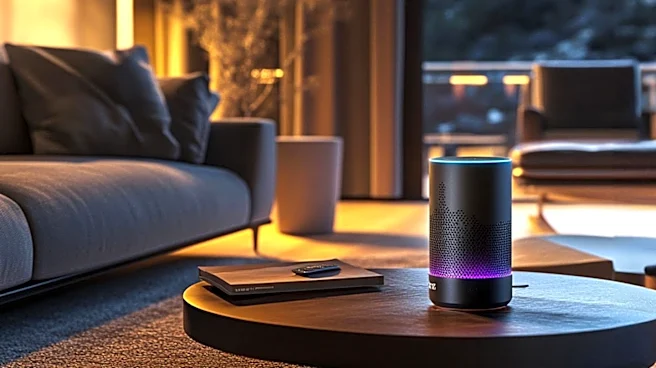
UGreen has unveiled its new HomeAgent series of AI-powered local hubs designed to manage smart home devices. These hubs, including the HA100, HA100 Pro, and MA100, prioritize local storage and computing, meaning data such as photos, videos, and voice
inputs are processed on the device rather than through cloud servers. This approach aims to enhance user privacy and eliminate the need for cloud subscriptions. The HomeAgent integrates with UGreen's AIoT ecosystem, which includes cameras, smart speakers with an AI assistant named Uliya, and digital photo frames. Uliya can perform various tasks, from controlling home devices like curtains and lights to providing summaries of daily events and displaying memories. The MA100 model, powered by the NVIDIA Jetson Thor T5000, offers superior AI performance, memory, and storage compared to its counterparts. The devices are scheduled for shipping in early 2027, with prices ranging from $1,799 for the HA100 to $19,999 for the MA100, though early bird offers are available.
Why It's Important?
The introduction of UGreen's HomeAgent series signifies a potential shift in the smart home industry towards greater data privacy and local processing. In an era marked by increasing concerns over corporate data handling and frequent data breaches, the HomeAgent's emphasis on local storage could be a significant selling point for privacy-conscious consumers in the U.S. and globally. By eliminating reliance on cloud subscriptions, UGreen also addresses a common financial burden associated with many smart home ecosystems, potentially making advanced smart home technology more accessible and appealing. This move could pressure other smart home device manufacturers to explore similar local processing solutions, fostering a more privacy-centric competitive landscape. The integration of a comprehensive AI assistant like Uliya, capable of managing diverse devices and providing personalized summaries, also highlights a growing demand for more intuitive and integrated smart home experiences.
What's Next?
With shipping set to commence in early 2027, the market will closely observe the adoption rate of UGreen's HomeAgent series. The success of these devices, particularly their ability to deliver on the promise of enhanced privacy and seamless local control, could influence future product development across the smart home industry. Competitors may respond by developing their own local processing solutions or by emphasizing their existing privacy features. Consumers will likely evaluate the balance between the initial investment in a HomeAgent device and the long-term savings from avoiding cloud fees. The performance and reliability of the Uliya AI assistant and its integration with third-party devices will also be critical factors determining user satisfaction and broader market acceptance. UGreen's stated ambition for every family to own a HomeAgent suggests a long-term vision for widespread adoption, which will depend on continued innovation and competitive pricing strategies.
Beyond the Headlines
The HomeAgent's focus on local data processing touches upon deeper ethical and societal implications regarding data ownership and digital autonomy. By keeping personal data within the home, UGreen challenges the prevailing model of cloud-based data collection and analysis, which often raises questions about surveillance and data monetization. This approach could empower users with greater control over their digital lives and foster a renewed sense of trust in smart home technology. Furthermore, the ability of the AI to 'witness the joys of everyday family life' and revive memories, as envisioned by UGreen CEO Samuel Zhang, suggests a move beyond purely functional smart home applications towards more emotionally resonant and personalized experiences. This could redefine the role of AI in the home, transforming it from a mere utility into a more integrated and trusted companion that enhances personal well-being and preserves family moments, while also raising new questions about the nature of digital memory and its curation.