





What's Happening?
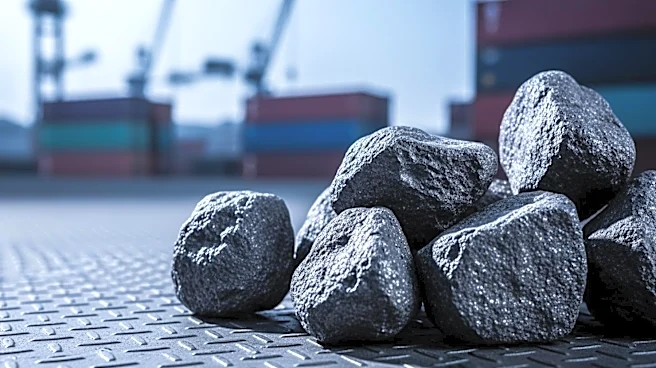
Iron ore prices have continued to decline for the second consecutive week, influenced by high portside stocks in China, the world's largest consumer. The most-traded iron ore contract on China's Dalian Commodity Exchange fell by 0.5% to 799.5 yuan per
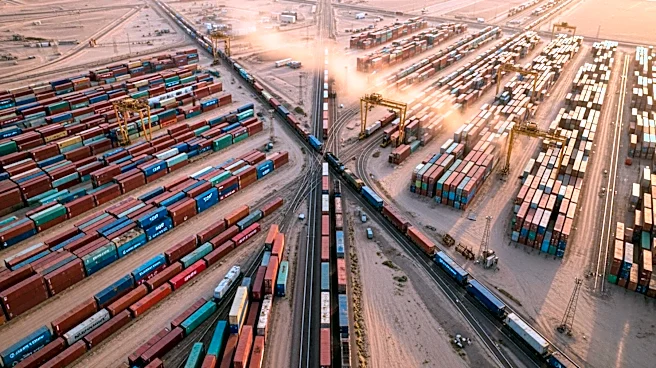
metric ton, marking a weekly decrease of 1.5%. Similarly, the benchmark May iron ore on the Singapore Exchange dropped by 0.92% to $105.4 per ton, recording a 1.7% weekly decline. Analysts attribute the downward pressure to elevated inventory levels at 47 Chinese ports, which rose to 177.5 million tons by April 2. Additionally, concerns about increased spot availability due to ongoing negotiations between China's state iron ore buyer and BHP for a 2026 supply contract have further weighed on prices.
Why It's Important?
The decline in iron ore prices has significant implications for global trade and the U.S. economy. As a major component in steel production, fluctuations in iron ore prices can impact the cost of construction and manufacturing industries. The high inventory levels in China suggest a potential oversupply, which could lead to further price reductions and affect the profitability of mining companies. For the U.S., this situation may influence domestic steel prices and production costs, potentially affecting infrastructure projects and industrial output. Additionally, the ongoing negotiations between China and BHP could set a precedent for future supply contracts, impacting global trade dynamics.
What's Next?
The future of iron ore prices will likely depend on the outcome of the supply contract negotiations between China and BHP, as well as any changes in Chinese demand. If the negotiations result in increased spot availability, prices may continue to decline. Conversely, any disruptions in supply or increases in demand could stabilize or raise prices. Stakeholders in the U.S. steel industry will need to monitor these developments closely to adjust their strategies accordingly. Additionally, any geopolitical developments, such as the conflict in the Middle East, could indirectly affect iron ore prices by influencing freight and fuel costs.