





What's Happening?
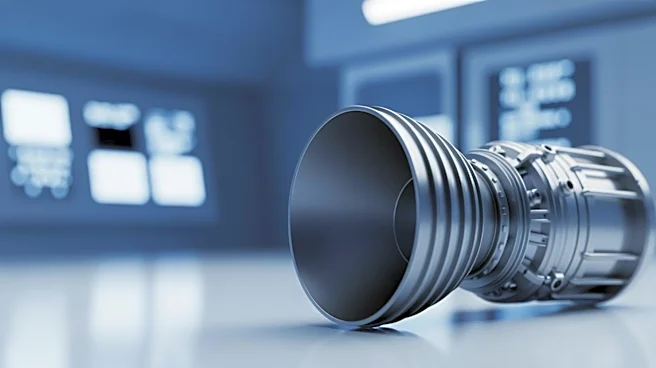
Astrobotic Technology has successfully conducted a hotfire test of its Chakram engine prototype, a rotating detonation rocket engine (RDRE), at NASA's Marshall Space Flight Center. The engine, designed for cislunar and logistics missions, demonstrated
a continuous burn of 300 seconds. The RDRE technology promises to cut costs and increase capacity for future missions by boosting engine efficiency and reducing size. Astrobotic plans to integrate this engine into its Griffin lander and other spacecraft, aiming to enhance its capabilities for NASA's Commercial Lunar Payload Services (CLPS) program.
Why It's Important?
The successful test of the Chakram engine represents a significant advancement in rocket propulsion technology, potentially transforming the efficiency and cost-effectiveness of lunar missions. By improving engine performance, Astrobotic can enhance its competitiveness in the commercial space sector and contribute to NASA's goals of sustainable lunar exploration. The RDRE technology's ability to generate supersonic detonation waves could lead to more efficient spacecraft designs, supporting a range of missions from lunar landings to deep space exploration.
What's Next?
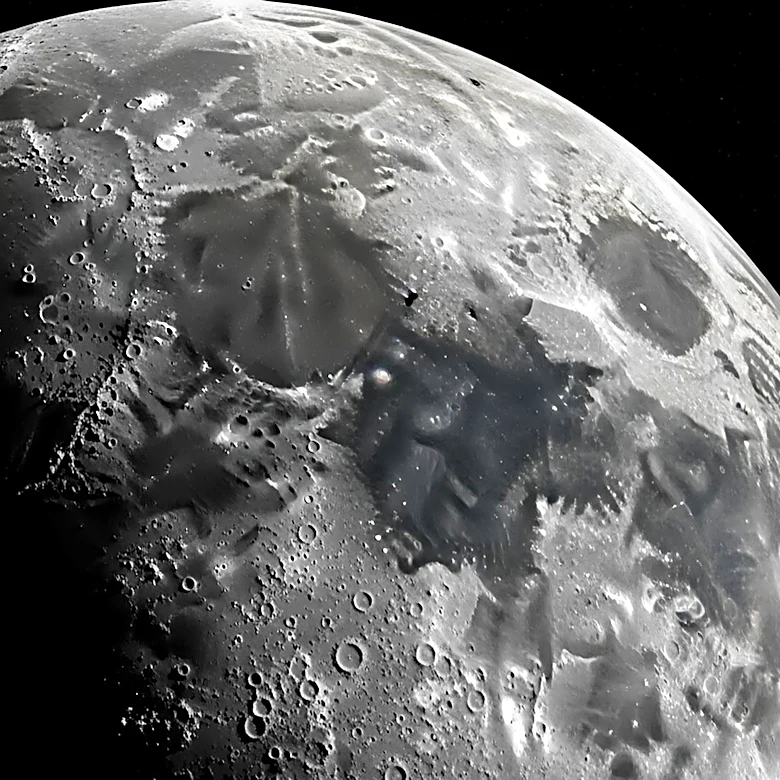
Astrobotic plans to continue developing the Chakram engine and integrate it into its upcoming missions, including the Griffin Mission-1, which will carry payloads to the Moon. The company aims to expand its use of RDRE technology across its spacecraft, potentially revolutionizing its approach to space exploration. As Astrobotic continues to collaborate with NASA and other partners, the successful implementation of this engine could pave the way for more ambitious lunar and interplanetary missions.