
What's Happening?
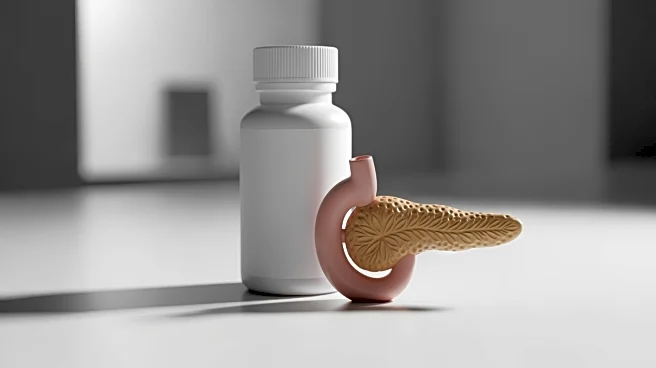
The UK Medicines and Healthcare products Regulatory Agency (MHRA) has issued a warning about the potential risk of severe acute pancreatitis in patients using GLP-1 agonist drugs, commonly prescribed for
weight loss and diabetes management. This warning comes as the use of these drugs, including Novo Nordisk's Ozempic and Wegovy, and Eli Lilly's Mounjaro, has become widespread. The MHRA has updated product information to alert healthcare professionals and patients to the symptoms of pancreatitis, which include severe stomach pain, nausea, and vomiting. Despite the rarity of this side effect, the large number of users necessitates awareness. Additionally, there is concern over a potential increase in gallbladder removal surgeries, possibly linked to the use of these drugs, as they are associated with gallstone formation.
Why It's Important?
The warning from the MHRA highlights the need for vigilance among healthcare providers and patients using GLP-1 drugs, which are popular for their effectiveness in managing diabetes and aiding weight loss. The potential link to pancreatitis and gallbladder issues could impact patient safety and healthcare costs, as adverse drug reactions are already a significant financial burden. The situation underscores the importance of monitoring drug side effects and could influence prescribing practices. Furthermore, the potential increase in gallbladder surgeries raises questions about the long-term safety of these medications, which could affect their market acceptance and regulatory scrutiny.
What's Next?
Healthcare professionals and patients are advised to report any adverse symptoms through the MHRA's Yellow Card scheme. Ongoing research, including a study with Genomics England, aims to explore genetic factors that may increase the risk of pancreatitis in GLP-1 users. The findings could lead to more personalized medicine approaches. Meanwhile, pharmaceutical companies may need to address these safety concerns through further studies and possibly reformulate or adjust dosing recommendations. The healthcare community will likely continue to monitor the situation closely, balancing the benefits of GLP-1 drugs against their potential risks.