







What's Happening?
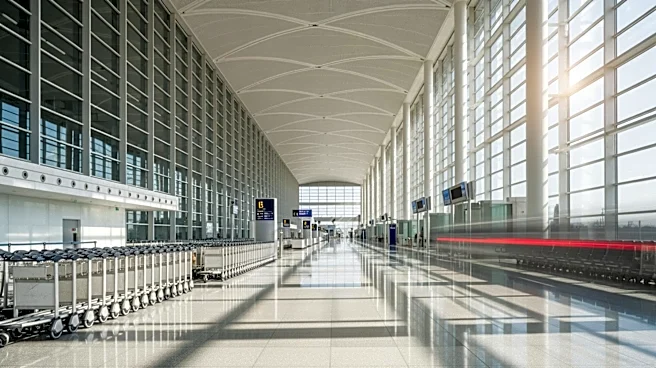
Incheon International Airport in South Korea, recently ranked as the world's second-best airport, reported handling 19.8 million passengers in the first quarter of 2026, marking a 7% increase from the previous year. This growth is largely attributed to
sustained travel demand to Japan and a surge in Chinese visitors, facilitated by extended visa-free entry policies for Chinese group tours. The airport's passenger traffic for the first quarter is the highest in 16 years, despite declines in Southeast Asian and Middle Eastern routes due to security concerns.
Why It's Important?
The increase in passenger traffic at Incheon International Airport reflects a broader recovery in global travel, particularly in the Asia-Pacific region. The surge in Chinese visitors and strong demand for travel to Japan highlight the importance of these markets for the aviation industry. The airport's performance is a positive indicator for the travel and tourism sectors, suggesting a rebound from the disruptions caused by the COVID-19 pandemic. However, the decline in traffic on certain routes underscores ongoing challenges related to geopolitical tensions and security issues.
What's Next?
Incheon International Airport is forecasting continued growth in passenger traffic, with expectations to reach 75.07 million passengers by the end of 2026. The airport will likely focus on enhancing its infrastructure and services to accommodate the increasing number of travelers. Additionally, the airport may explore strategies to boost traffic on underperforming routes, potentially through partnerships or promotional campaigns. The broader travel industry will be watching closely to see how Incheon and other major airports adapt to changing travel patterns and market demands.