







What's Happening?
A study published in Nature Communications by researchers from VCU Massey Comprehensive Cancer Center and other institutions has uncovered new insights into the mechanisms of aggressive oral inflammatory diseases. The research focused on conditions like
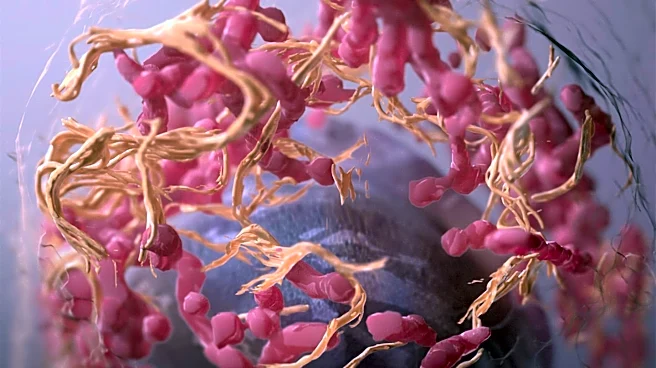
peri-implantitis and rapidly advancing periodontitis, revealing that the protein CD38 plays a crucial role in these diseases. By using advanced spatial biology techniques, the study identified CD38-positive endothelial cells as key contributors to tissue destruction in these conditions. This discovery suggests a new vasculopathy that accelerates inflammatory processes in oral tissues, challenging traditional views that bacterial load is the primary driver of disease severity.
Why It's Important?
This research represents a significant shift in understanding oral inflammatory diseases, moving away from a bacteria-centric model to one that considers host tissue dynamics and vascular contributions. The identification of a druggable vascular pathway marked by CD38 expression opens new avenues for targeted therapies, potentially improving treatment outcomes for patients with aggressive periodontitis and peri-implantitis. Furthermore, the study's findings could have broader implications for other inflammatory diseases, offering insights into shared pathological mechanisms and precision medicine targets.
What's Next?
The research team plans to expand their studies to include over 20 human diseases, integrating data to uncover common mechanisms across different conditions. This approach could lead to the development of new therapeutic strategies not only for oral diseases but also for other inflammatory and cancerous conditions. The continued exploration of vascular pathways in disease progression holds promise for advancing precision medicine and improving patient care.