





What's Happening?
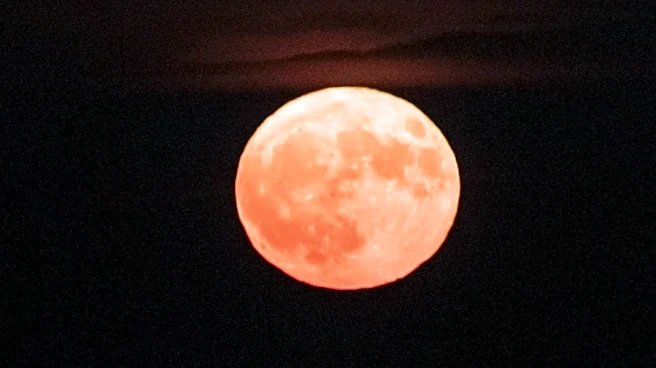
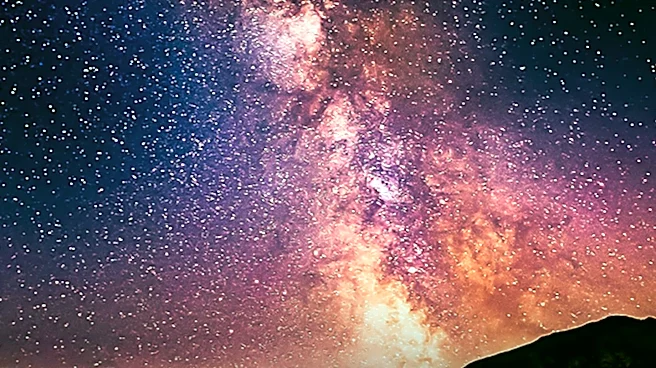
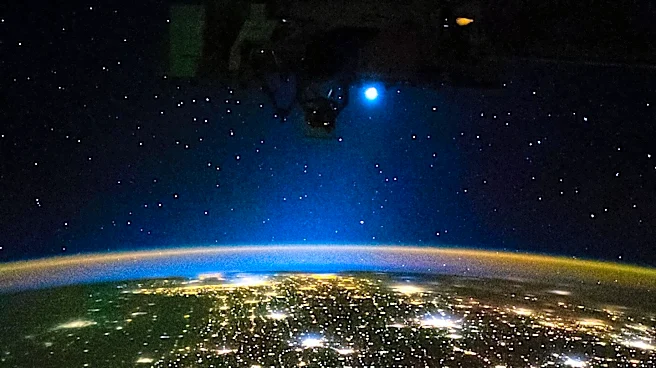
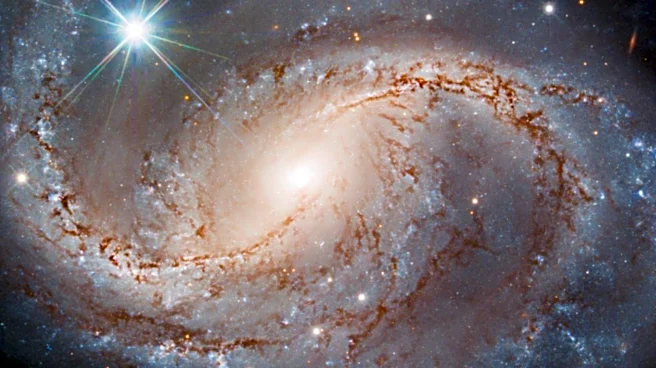
As the moon wanes towards a new phase on July 14, 2026, the Milky Way becomes increasingly visible in the night sky. This period offers stargazers an excellent opportunity to observe the galaxy without the interference of moonlight. The Milky Way, a vast
collection of stars spanning over 100,000 light-years, can be seen as a faint, misty band of light across the sky. Optimal viewing conditions occur in areas free from artificial light, where the galaxy's star-studded band can be observed with the naked eye. This celestial event coincides with Earth reaching its farthest point from the sun, known as aphelion, on July 6.
Why It's Important?
The visibility of the Milky Way is a significant event for astronomy enthusiasts and the general public, as it provides a direct connection to our galaxy. Observing the Milky Way can enhance public interest in space and science, fostering a greater appreciation for the universe. This event also highlights the importance of preserving dark sky areas, which are crucial for astronomical observations. The increased visibility of the Milky Way during this period allows for educational opportunities and can inspire future generations to explore and study the cosmos.
What's Next?
As the new moon approaches on July 14, the Milky Way will continue to be visible under optimal conditions. Stargazers are encouraged to seek out dark sky locations to fully experience the beauty of our galaxy. This period of increased visibility will continue to offer opportunities for observation and photography. Future celestial events, such as meteor showers and planetary alignments, will also provide additional chances for engagement with the night sky.