









What's Happening?
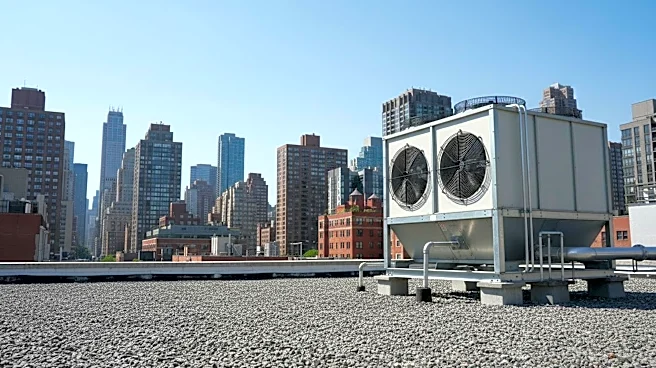
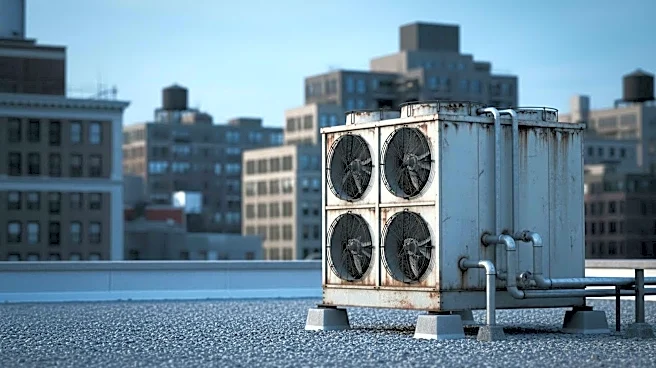
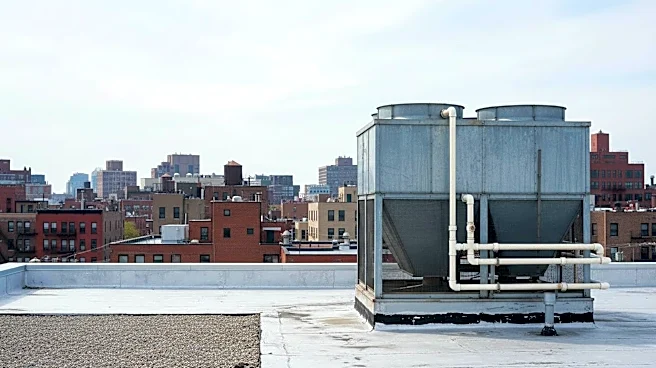
New York City is taking decisive action following an outbreak of Legionnaires' Disease on the Upper East Side, which has affected at least 28 people. Mayor Zohran Mamdani has directed the Department of Health to test cooling towers in the area and mobilize
over 100 staff members for community outreach. In a move to enhance transparency, the city will publicly release the addresses of buildings with cooling towers that test positive for Legionella bacteria. Property owners are required to immediately drain, clean, and disinfect these systems to prevent further exposure. Legionnaires' Disease, a severe form of pneumonia caused by Legionella bacteria, thrives in warm, stagnant water and can be effectively treated with antibiotics if diagnosed early. The outbreak has led to 21 hospitalizations, but no deaths have been reported.
Why It's Important?
The city's response highlights the importance of transparency and swift action in managing public health threats. By publicly identifying affected buildings, the city aims to reduce the risk of further exposure and ensure residents are informed and protected. This approach may set a precedent for handling similar outbreaks in the future, emphasizing the need for rapid identification and remediation of potential sources of infection. The outbreak underscores the vulnerability of urban areas with high concentrations of cooling towers, which can become breeding grounds for bacteria if not properly maintained. The city's aggressive strategy could lead to more stringent regulations and oversight of building maintenance practices, potentially impacting property owners and management companies.
What's Next?
The city plans to continue testing cooling towers and will release the addresses of buildings with positive results as they become available. Health officials are urging residents, especially older adults and those with underlying health conditions, to seek medical attention if they experience symptoms consistent with Legionnaires' Disease. The administration's focus on transparency and rapid response may lead to increased public awareness and engagement in preventing future outbreaks. As the situation develops, the city may implement additional measures to ensure the safety and well-being of its residents.