


What's Happening?
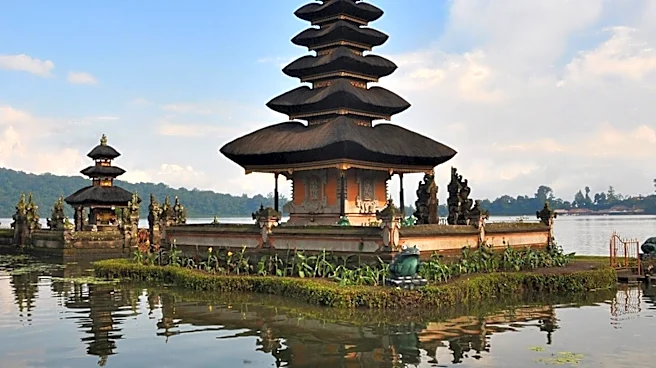
Chiang Mai, a prominent city in northern Thailand, is a hub for cultural immersion, outdoor adventures, and vibrant urban experiences. The city is well-known for its numerous temples, including the significant Wat Phra Singh and Wat Chedi Luang. Visitors
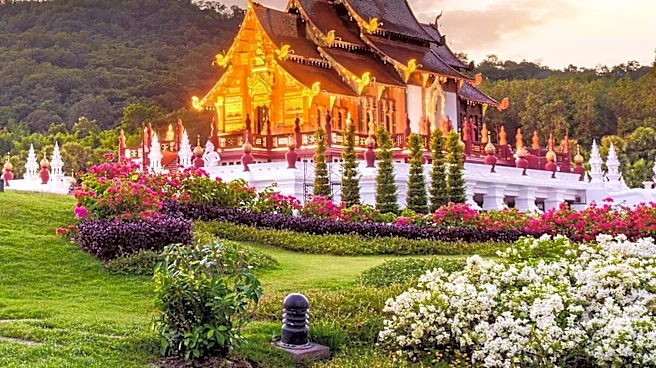
have the opportunity to engage in trekking activities in the surrounding northern Thai regions, explore historical routes within the city, and savor local culinary delights. Accommodation options in Chiang Mai cater to a range of preferences, from luxury resorts like the InterContinental Chiang Mai to boutique hotels such as Buri Gallery House. The dining scene is diverse, offering both traditional Thai dishes and international cuisine. Additionally, Chiang Mai is recognized for its lively festivals and events, contributing to its appeal as a tourist destination. The city's blend of natural beauty and Lanna culture attracts millions of tourists annually, both domestic and international. Popular activities include visiting the Phra That Doi Suthep, experiencing local life at Thapae Walking Street, and exploring botanical gardens like Queen Sirikit and Rajapruek Royal Park. Nimmanhaemin Road is noted for its art products, local cuisine, and cultural displays. Nature and mountain tours are also popular, with attractions such as Doi Inthanon, Doi Ang Khang, and Hmong villages in Doi Pui.
Why It's Important?
The robust tourism sector in Chiang Mai significantly contributes to the local and regional economy of northern Thailand. The influx of millions of tourists annually supports a wide array of businesses, from hospitality and dining to local crafts and tour operators. This economic activity provides employment opportunities and stimulates growth in related industries. The preservation and promotion of cultural sites, such as the numerous temples and historical routes, are vital for maintaining Thailand's rich heritage and attracting culture-seeking travelers. The emphasis on ecotourism and nature tours, including visits to national parks and indigenous villages, highlights a growing trend in sustainable tourism, which can help protect natural environments and support local communities. The diverse offerings, from luxury accommodations to street food and art markets, cater to a broad demographic of travelers, ensuring a steady stream of visitors and sustained economic benefits. The city's ability to blend ancient Lanna culture with contemporary attractions, such as artisanal cafes and designer boutiques, makes it a dynamic destination that appeals to both traditional and modern tastes, further solidifying its importance as a key tourist destination in Southeast Asia.
What's Next?
Chiang Mai is expected to continue its development as a major tourist destination, with ongoing efforts to enhance visitor experiences and infrastructure. The focus will likely remain on promoting its unique cultural heritage, including its temples and traditional Lanna culture, while also expanding its offerings in adventure and ecotourism. There may be further development in sustainable tourism practices to manage the environmental impact of a high volume of visitors and to support local communities, such as those in Mae Kampong and Hmong villages. The city's vibrant festival calendar and diverse culinary scene will likely be leveraged to attract more international and domestic tourists. Continued investment in hospitality, including both luxury and boutique options, is anticipated to meet the growing demand. Efforts to improve accessibility and connectivity, potentially through increased flight routes, will also play a role in its future growth. The blend of historical sites, natural landscapes, and modern amenities suggests a sustained appeal for a wide range of travelers, ensuring Chiang Mai remains a significant player in the global tourism market.
Beyond the Headlines
The sustained popularity of Chiang Mai as a tourist destination has deeper implications for cultural preservation and local identity. The influx of tourism, while economically beneficial, also presents challenges in balancing modernization with the authenticity of Lanna culture. There is a delicate balance between catering to international tastes and maintaining the unique traditions and way of life of the local population. The growth of ecotourism and community-based tourism initiatives could empower local communities and provide alternative economic opportunities, but also requires careful management to prevent cultural commodification. The architectural preservation of ancient temples and historical sites is crucial, not only for tourism but also for maintaining the city's historical narrative and spiritual significance. Furthermore, the interaction between tourists and locals can lead to cultural exchange and understanding, but also potential social impacts that need to be addressed through thoughtful urban planning and tourism policies. The city's ability to adapt to global trends while safeguarding its distinct character will be key to its long-term success and the well-being of its residents.