



What's Happening?
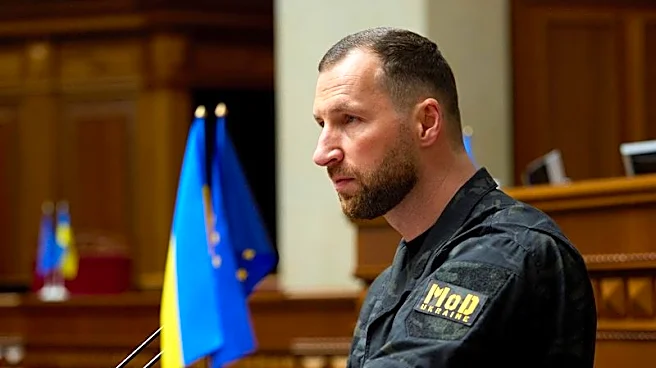
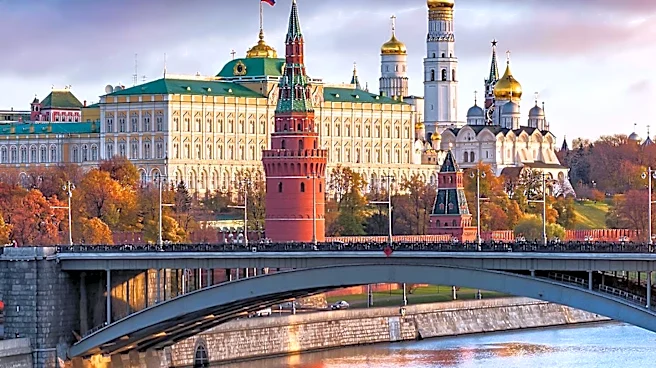
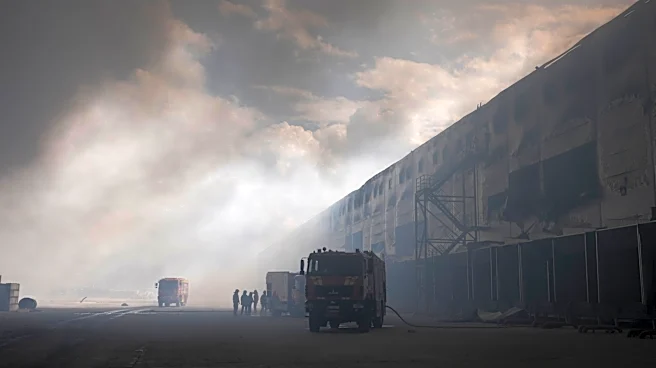
Ukrainian President Volodymyr Zelenskyy has confirmed that Ukrainian forces successfully struck an airfield and an oil refinery in Russia. These actions are part of Ukraine's 'long-range sanctions' strategy, which aims to make Russia feel the impact of the war
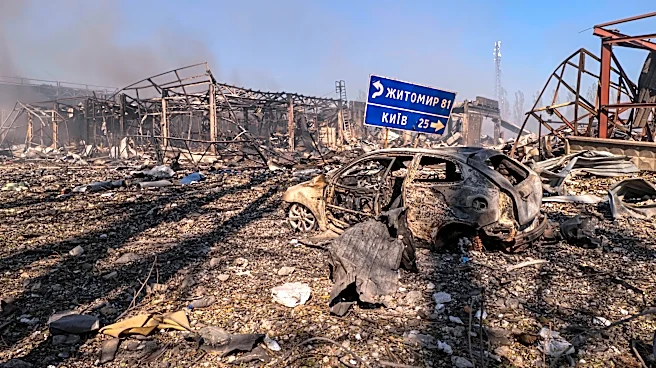
returning to its origin. Zelenskyy emphasized the importance of international partners complementing these long-range efforts with new sanctions targeting Russia’s military infrastructure. He highlighted that a significant portion of the components used by Russia to terrorize Ukrainian cities and communities are foreign-made, including chemicals and machine tools. Kyiv is actively providing international partners with detailed information on Russian schemes to evade existing sanctions. The strikes included facilities for storing, preparing, and launching attack UAVs in the Oryol and Rostov regions, a military airfield in Yeisk, a site in the Black Sea, and an oil refinery in the Leningrad region, which contributes millions to Russia's war budget monthly. Additionally, Ukrainian UAVs reportedly hit Ozon logistics hubs in Russia’s Bashkortostan.
Why It's Important?
This development is important as it signals Ukraine's continued strategy of taking the war onto Russian territory, aiming to disrupt Russia's military and economic capabilities. By targeting key infrastructure like airfields and oil refineries, Ukraine seeks to diminish Russia's capacity to wage war and reduce its financial resources. The call for enhanced international sanctions underscores the belief that external pressure on Russia's supply chains, particularly for foreign components, is crucial. If successful, this could significantly impede Russia's ability to produce and deploy advanced weaponry and maintain its military operations. The emphasis on foreign components highlights the global interconnectedness of military supply chains and the potential for international sanctions to have a tangible impact on the conflict. This strategy also aims to increase domestic pressure within Russia by making the war's consequences more directly felt by its population and economy.
What's Next?
Following these strikes, Ukraine is expected to continue its 'long-range sanctions' strategy, potentially targeting more Russian military and economic infrastructure. President Zelenskyy's call for enhanced international sanctions suggests that Kyiv will intensify its diplomatic efforts to persuade partners to impose stricter controls on components vital to Russia's military. International partners will likely face increased pressure to investigate and act upon information provided by Ukraine regarding sanctions evasion. The effectiveness of these combined military and diplomatic pressures will be closely watched, as they could influence the trajectory of the conflict. Russia is anticipated to respond to these attacks, potentially by increasing its own strikes on Ukrainian territory or by bolstering its air defense systems. The ongoing information sharing between Kyiv and its partners regarding sanctions evasion will be critical in shaping future international policy responses.
Beyond the Headlines
The Ukrainian strategy of striking targets within Russia, coupled with calls for 'long-range sanctions,' represents a significant shift in the conflict's dynamics. This approach challenges the traditional understanding of warfare by extending the battlefield beyond Ukraine's borders and integrating military actions with economic pressure. It raises complex questions about the proportionality of responses and the potential for escalation. The focus on foreign components in Russia's military infrastructure also highlights the ethical and legal responsibilities of international companies whose products might inadvertently contribute to the conflict. This situation could lead to a re-evaluation of global supply chain regulations and export controls to prevent dual-use technologies from being diverted for military purposes. Furthermore, the psychological impact of these strikes on the Russian populace, making the war's reality more tangible, could influence public opinion and potentially internal political stability.