
What's Happening?
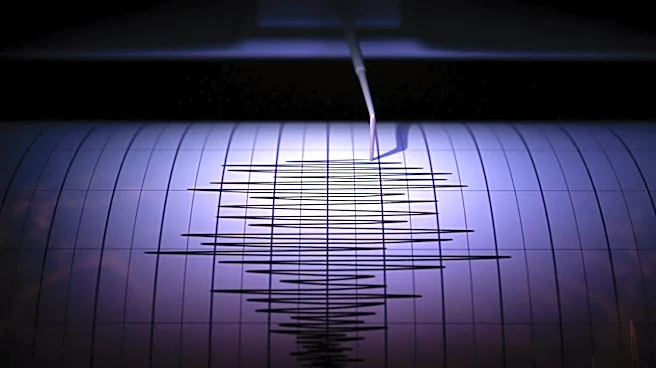
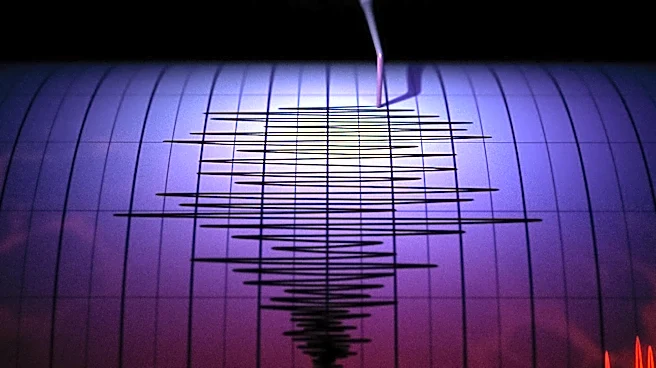
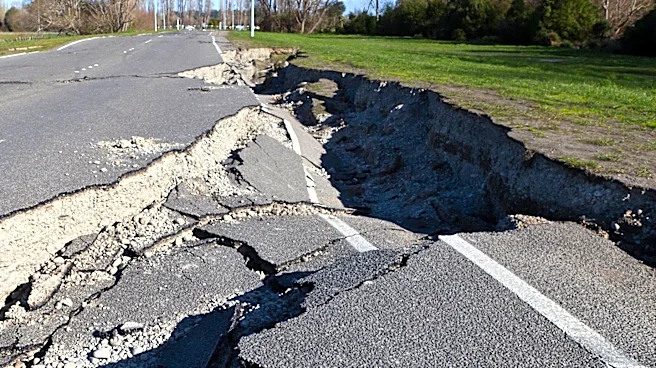
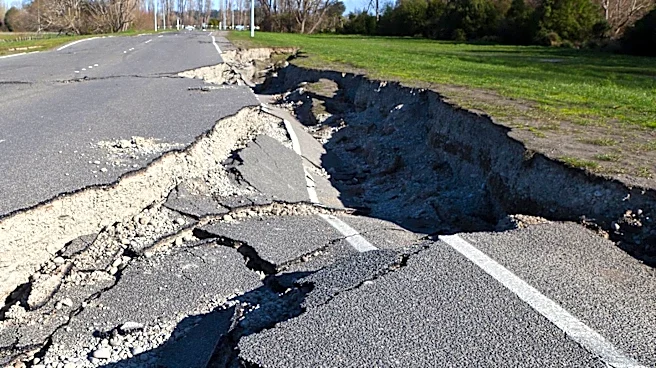
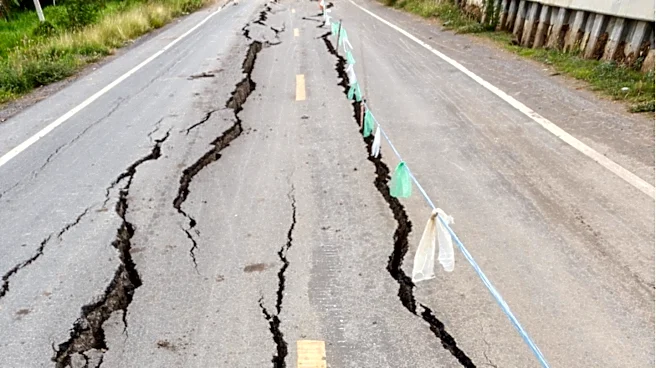
A powerful 6.6-magnitude earthquake struck Indonesia's Tanimbar Islands, generating tremors that were felt as far away as Australia. The earthquake occurred at approximately 6:41 AM Darwin time, with its
epicenter located 29 kilometers beneath the Banda Sea, according to Geoscience Australia. Over 380 reports were lodged by Australians who experienced the ground shaking. Initial seismic data had estimated the magnitude at 7.4, placing the quake around 90 miles southwest of Tual in Indonesia's Maluku Province. Despite the significant force of the earthquake, the Bureau of Meteorology confirmed that there was no tsunami threat to mainland Australia or its islands. Indonesia is situated along the Pacific Ring of Fire, a region known for its high seismic and volcanic activity due to shifting tectonic plates.
Why It's Important?
This earthquake highlights the persistent seismic risks faced by Indonesia and the broader Pacific Ring of Fire region. While this particular event did not trigger a tsunami, the region has a history of devastating seismic activity, including the colossal 9.1-magnitude earthquake in December 2004 that caused a catastrophic tsunami across 17 countries. The frequent occurrence of such powerful earthquakes underscores the ongoing need for robust early warning systems, resilient infrastructure, and effective disaster preparedness strategies in Indonesia and neighboring countries, including Australia. The tremors felt in Australia, hundreds of kilometers away, demonstrate the far-reaching impact of these geological events and the importance of regional cooperation in monitoring and responding to natural disasters. The continuous seismic activity in this area poses a constant threat to human lives, livelihoods, and economic stability, necessitating ongoing investment in scientific research and mitigation efforts.
What's Next?
Authorities in Indonesia and Australia will continue to monitor for any aftershocks and assess potential damage, although no immediate reports of significant destruction or casualties were mentioned in the source. Given Indonesia's location on the Pacific Ring of Fire, further seismic activity remains a constant possibility. Ongoing efforts will likely focus on enhancing earthquake monitoring capabilities, improving building codes to withstand seismic forces, and educating the public on emergency response procedures. For Australia, the event serves as a reminder of its proximity to a highly active seismic zone and the importance of maintaining communication channels and preparedness protocols for distant but impactful natural phenomena. International collaboration in seismological research and disaster management will remain crucial for mitigating the risks associated with such powerful geological events in the region.
Beyond the Headlines
The recurring seismic events in Indonesia and the Pacific Ring of Fire underscore the profound interplay between geological forces and human vulnerability. Beyond the immediate physical damage, these events can have long-term societal and economic consequences, including displacement, psychological trauma, and disruptions to local economies. The constant threat of earthquakes and tsunamis also influences urban planning, infrastructure development, and even cultural practices in affected regions. The scientific community continues to advance understanding of plate tectonics and earthquake prediction, but the inherent unpredictability of these natural phenomena necessitates a proactive and adaptive approach to living in seismically active zones. This event serves as a stark reminder of nature's power and the ongoing challenge for human societies to coexist safely with dynamic geological processes.