


What's Happening?
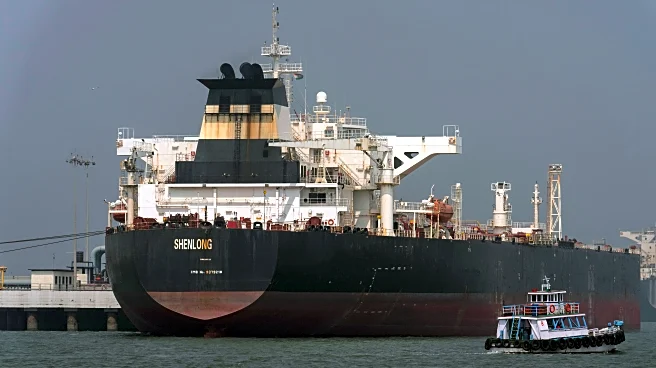
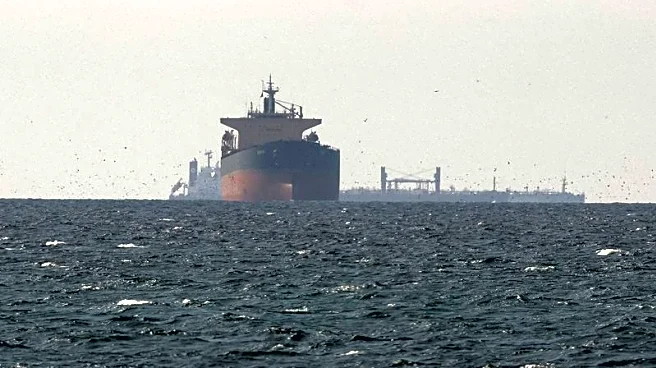
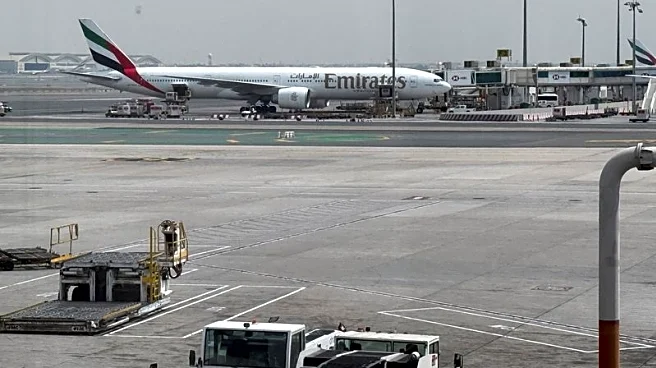
European companies importing semiconductors from Asia are experiencing increased costs and delays in deliveries due to disruptions in air freight routes caused by the ongoing conflict in Iran. The war, which began on February 28, has targeted shipping
and airport infrastructure, leading to a 9% reduction in global air freight capacity compared to pre-war levels. This has forced companies to tap into backup inventories and pay premium prices for chip deliveries. The disruptions are particularly affecting industries reliant on semiconductors, such as automotive manufacturers and data centers, which import chips from regions like China and Taiwan. Despite the challenges, some companies are absorbing the increased costs to maintain supply continuity.
Why It's Important?
The disruption in semiconductor supply chains due to the Iran conflict highlights the vulnerability of global logistics networks to geopolitical events. The increased costs and delays in chip deliveries could have significant implications for industries that depend heavily on these components, such as automotive and electronics manufacturing. As companies face higher operational costs, this could lead to increased prices for end consumers or reduced profit margins for businesses. The situation underscores the importance of diversifying supply chains and maintaining higher inventory levels to mitigate risks associated with geopolitical instability.
What's Next?
In the coming weeks, European companies may continue to experience challenges in maintaining their semiconductor supply chains. As logistics costs remain high, businesses will need to strategize on how to manage these expenses while ensuring supply continuity. Companies might explore alternative shipping routes or increase their reliance on local suppliers to reduce dependency on affected regions. Additionally, the situation could prompt a reevaluation of supply chain strategies to enhance resilience against future disruptions.