



What's Happening?
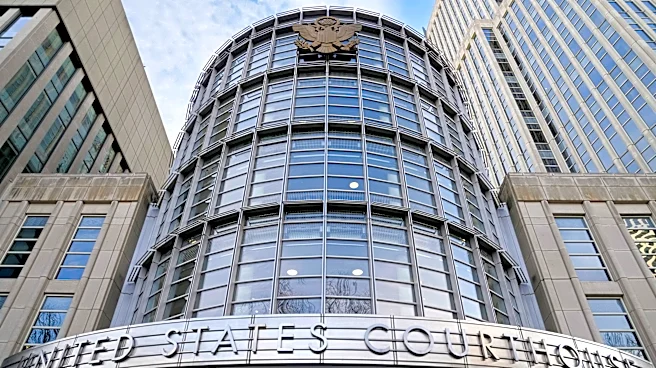
Mayor Zohran Kwame Mamdani's administration has filed a lawsuit against landlord Barry Singer, seeking over $10 million in damages and penalties. The lawsuit, filed in Bronx County Supreme Court, targets Singer for years of alleged neglect and hazardous
conditions across 11 buildings in the Bronx and Brooklyn. This legal action marks the first time New York City has utilized the False Claims Act to hold a building owner accountable for allegedly evading payments owed to the city for emergency repairs, pest control, and judgments from housing code violations. The suit also cites violations of the City’s Nuisance Abatement Law and New York City Construction Codes. According to the Mayor's Office, Singer has knowingly avoided paying over $1.05 million in charges and judgments. The lawsuit details numerous serious violations, including unauthorized construction, severely cracked facades, bulging walls, and rusting fire escapes at risk of collapse, which constitute public nuisances. This initiative is part of the administration’s “Fix the City” program, aimed at cracking down on persistent code violators.
Why It's Important?
This lawsuit is significant as it represents a new, aggressive strategy by the Mamdani administration to combat landlord negligence and protect tenants in New York City. By employing the False Claims Act, the city is expanding its legal tools beyond traditional housing code enforcement, potentially setting a precedent for how other municipalities might pursue landlords who neglect their properties and evade financial responsibilities. The action aims to ensure safer living conditions for thousands of tenants who have reportedly endured hazardous environments for years. It also seeks to recover substantial funds for repairs the city was forced to undertake due to the landlord's alleged failures. This case sends a strong message to other noncompliant landlords that the city is prepared to use innovative legal strategies to enforce housing standards and hold property owners accountable, potentially leading to improved housing quality and tenant protections across the five boroughs.
What's Next?
The lawsuit will proceed in Bronx County Supreme Court, where the city will seek to compel Barry Singer to address the public nuisances and impose civil penalties of $1,000 per day for each violation of the Nuisance Abatement Law. Additionally, the city is seeking treble damages and civil penalties of up to $28,619 per violation under the New York False Claims Act. The outcome of this case could significantly influence future enforcement actions against other landlords in New York City. If successful, it may encourage the Mamdani administration to apply similar legal strategies more broadly as part of its “Fix the City” initiative. This could lead to increased scrutiny and legal action against other property owners with long histories of code violations and unpaid debts to the city, potentially resulting in widespread improvements in housing conditions and greater accountability for landlords.
Beyond the Headlines
The Mamdani administration's use of the False Claims Act in this context highlights a broader shift in how municipal governments might tackle persistent urban issues like housing neglect. Traditionally used for fraud against government programs, its application here against a landlord for evading payments related to public safety and housing standards could redefine the scope of landlord accountability. This legal innovation could inspire other cities facing similar challenges to explore novel legal avenues to protect residents and ensure compliance with urban regulations. Furthermore, it underscores the ethical responsibility of property owners to provide safe and habitable living conditions, suggesting that the financial costs of neglect will be increasingly borne by those who fail to uphold these duties, rather than by taxpayers or vulnerable tenants. This could lead to a re-evaluation of property management practices and investment in maintenance to avoid severe legal and financial repercussions.