






What's Happening?
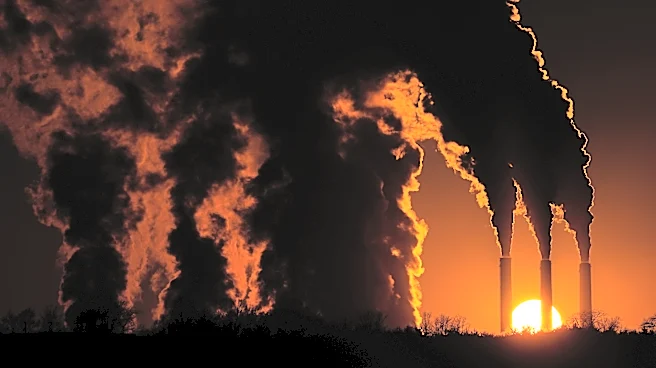
The UN Intergovernmental Panel on Climate Change (IPCC) is considering retiring its most extreme emissions scenario, RCP 8.5, which projected severe global warming due to unchecked fossil fuel use. This scenario has been deemed 'implausible' due to recent
trends in renewable energy adoption and climate policy. President Trump has used this development to argue against the severity of climate change threats, although scientists emphasize that while the worst-case scenario is less likely, significant risks remain. The debate highlights the complexity of climate modeling and the importance of accurate projections in shaping policy and public perception.
Why It's Important?
The potential retirement of RCP 8.5 reflects a shift in climate science towards more realistic projections, which could influence global climate policy and public understanding. While the scenario's removal may reduce alarmist narratives, it also underscores the progress made in renewable energy and emissions reductions. However, the continued threat of climate change necessitates ongoing efforts to mitigate its impacts. The decision could impact how governments and organizations prioritize climate action and allocate resources for adaptation and mitigation strategies.
Beyond the Headlines
The discussion around RCP 8.5 highlights the challenges in communicating climate science to the public and policymakers. The scenario's use in media and policy debates has sometimes led to misunderstandings about the likelihood of extreme outcomes. This situation underscores the need for clear communication and education on climate risks and the importance of basing policy decisions on the most current and accurate scientific data.