




What's Happening?
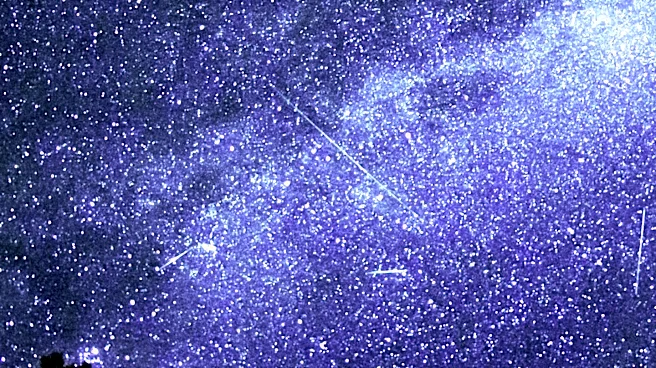
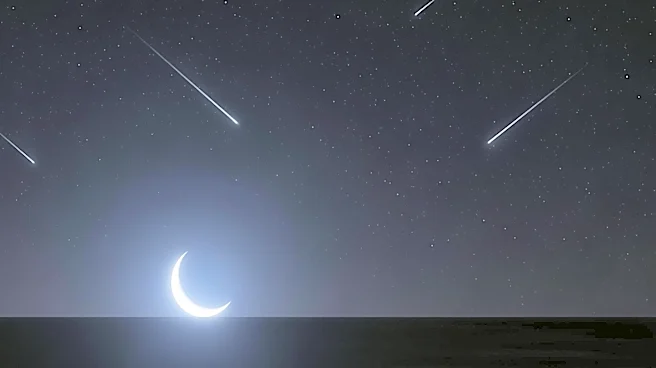
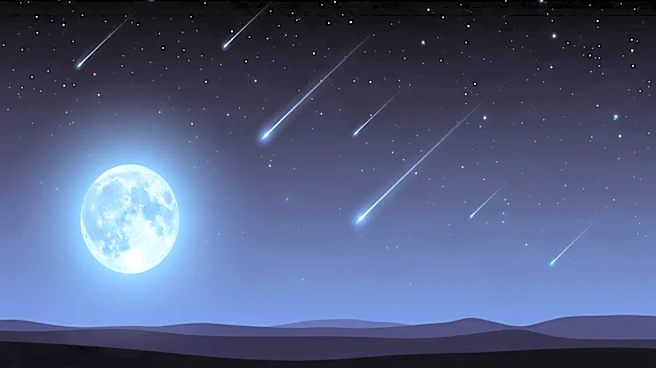
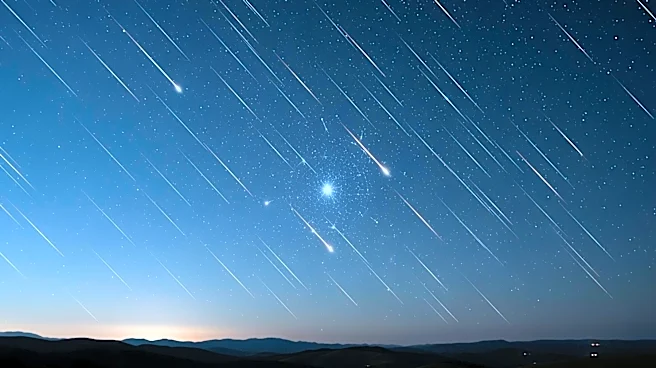
The Eta Aquariid meteor shower, originating from Halley's Comet, is set to peak between May 5 and 6, 2026. This annual event is known for its bright meteors, which are best viewed from the Southern Hemisphere. In the Northern Hemisphere, including the United
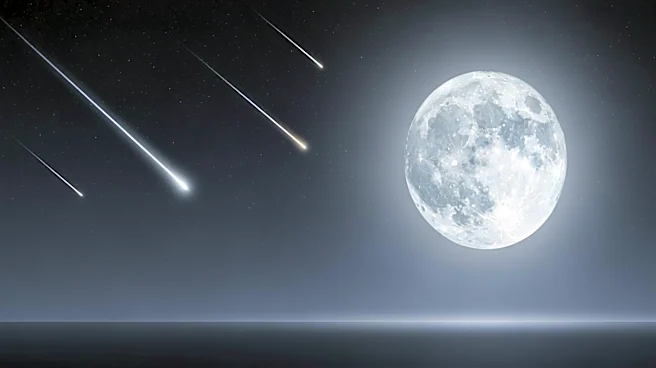
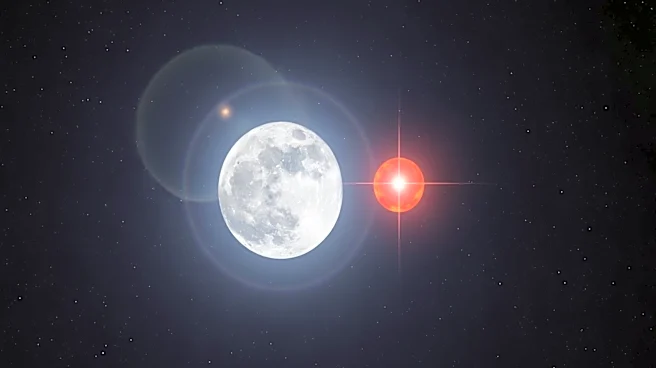
States, visibility is expected to be limited due to a bright waning gibbous moon, which will reduce the number of visible meteors to fewer than 10 per hour. The shower is best observed in the early morning hours before dawn, with the constellation Aquarius as the radiant point. Observers are advised to find a dark location away from city lights for optimal viewing.
Why It's Important?
Meteor showers like the Eta Aquariids offer a unique opportunity for public engagement with astronomy and science. They provide a natural spectacle that can inspire interest in space and science, particularly among young people. The event also highlights the ongoing influence of Halley's Comet, a celestial body that has been observed for centuries. While the bright moon will limit visibility, the shower still offers a chance for enthusiasts to connect with the broader universe. The event underscores the importance of dark sky preservation, as light pollution can significantly impact the ability to observe such natural phenomena.
What's Next?
Following the Eta Aquariids, the next major meteor showers will be the Southern Delta Aquariids and the Alpha Capricornids, both peaking at the end of July. These events will provide further opportunities for skywatchers to observe meteor activity. The Perseids, one of the most popular meteor showers, will peak in August, offering another chance for observation under potentially better conditions. As for Halley's Comet, it will not be visible again until 2061, making these meteor showers a valuable way to experience its remnants.