




What's Happening?
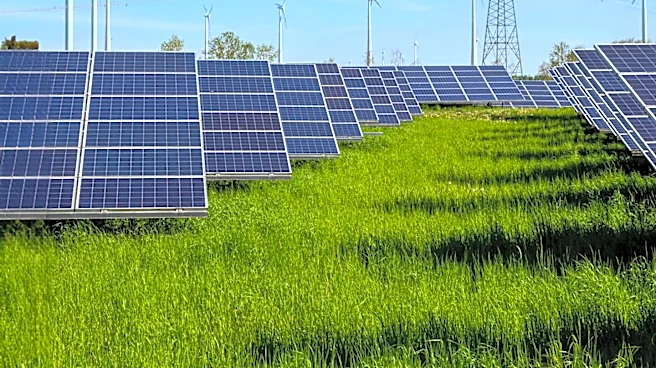
Electric cooperatives are beginning to implement Distributed Energy Resources Management Systems (DERMS) to better manage flexible demand-side energy. This move is driven by the increasing integration of distributed energy resources (DERs) like rooftop
solar, battery storage, and electric vehicle chargers, which create dynamic power flows. Implementing DERMS involves several critical first steps, including building a robust business case, defining initial use cases such as DER visibility, demand response, and EV charging coordination, and aligning IT and operations stakeholders. Additionally, selecting a scalable architecture is crucial for future growth. Representatives from Ozarks Electric Cooperative and Big Rivers Electric Corporation shared their experiences, highlighting the importance of educating internal senior staff, member-owners, and boards on the benefits and challenges of DERMS. They emphasized that a delicate approach to demand response programs is necessary to ensure member satisfaction and participation, often starting with less intrusive programs like seasonal events rather than aggressive peak clipping.
Why It's Important?
The adoption of DERMS is vital for utilities to effectively integrate and manage the growing number of distributed energy resources, which are transforming the traditional one-way power grid. Without such systems, utilities struggle to optimize the use of flexible demand-side energy, leading to potential grid instability, inefficiencies, and missed opportunities for cost savings. DERMS enables utilities to gain better visibility into DERs, coordinate demand response programs, and manage EV charging, all of which contribute to a more resilient and efficient grid. For electric cooperatives, this is particularly important as they aim to provide reliable and affordable power to their members while navigating the complexities of the energy transition. Successful DERMS implementation can help cooperatives manage peak demand, reduce the need for costly infrastructure upgrades, and offer members more options for energy management, ultimately enhancing member satisfaction and operational sustainability.
What's Next?
Electric cooperatives like Big Rivers Electric Corporation are planning to launch behavioral and smart thermostat programs as initial phases of their DERMS implementation. Following these, they intend to explore conservation voltage reduction (CVR) across their member systems to achieve greater efficiency and scale benefits. Home generators are also being considered as a high-priority next step due to their significant impact. Ozarks Electric Cooperative remains open to any solutions that benefit its members, emphasizing a focus on win-win scenarios where financial viability aligns with member advantages. The ongoing evolution of DERMS will likely involve continuous technological advancements, further integration of various DER types, and the development of more sophisticated demand response strategies. Utilities will continue to refine their approaches to ensure member satisfaction while maximizing the benefits of these advanced grid management systems.
Beyond the Headlines
The implementation of DERMS by electric cooperatives signifies a broader shift in the utility industry towards a more decentralized and intelligent grid. This transition empowers consumers with more control over their energy consumption and generation, fostering a more participatory energy ecosystem. However, it also presents challenges related to data privacy, cybersecurity, and the need for robust communication infrastructure. The success of DERMS relies not only on technological capabilities but also on effective community engagement and education to ensure widespread adoption and understanding among members. Furthermore, the regulatory framework will need to adapt to support these new grid management paradigms, potentially influencing tariff structures and market mechanisms. This evolution could lead to a more resilient, sustainable, and consumer-centric energy future, but it requires careful navigation of technical, social, and policy considerations.