


What's Happening?
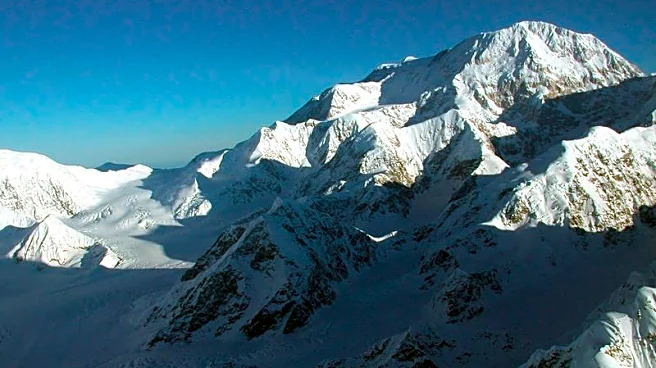
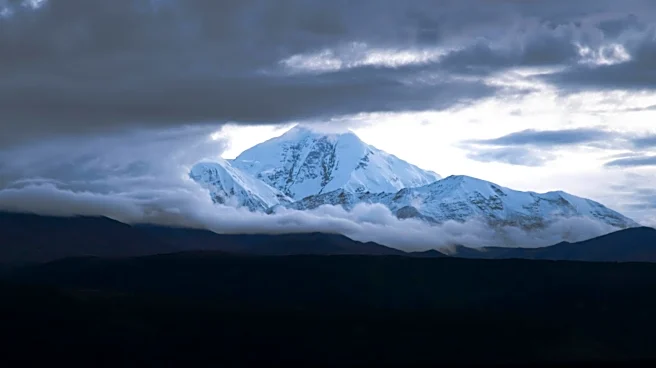
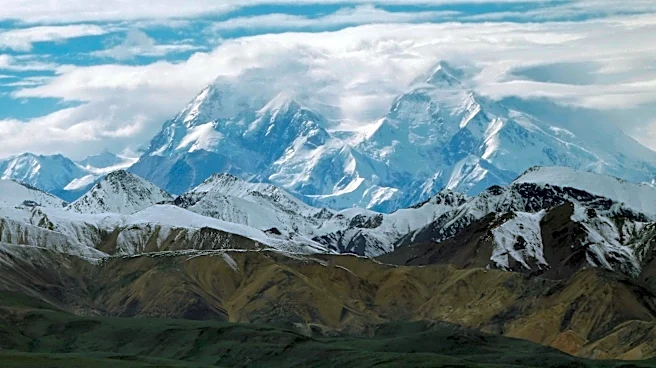
Three climbers from a Latvian mountaineering group died after falling near Denali Pass on North America's tallest peak, Denali, while a fourth climber was rescued. The incident occurred on the West Buttress route, known for its dangerous crevasses and
steep ice. The National Park Service reported that the climbers fell from a height of about 18,200 feet. The rescue operation was complicated by the terrain and weather conditions, requiring a helicopter to airlift the surviving climber to a hospital. The West Buttress route is the most popular path to Denali's summit, but it is also notorious for its exposed sections where many injuries and deaths have occurred over the years.
Why It's Important?
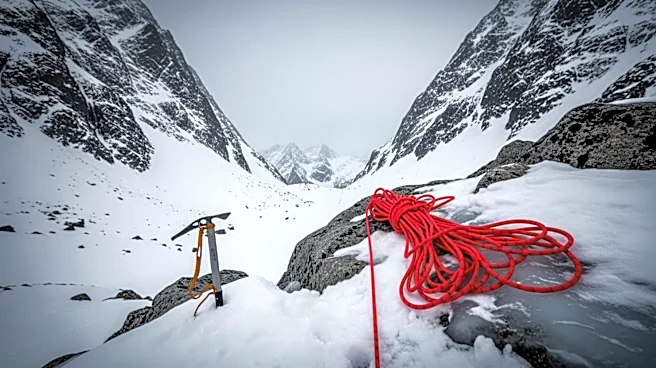
This tragic event underscores the inherent dangers of mountaineering on Denali, a peak that has claimed over 130 lives in its history. The incident highlights the extreme challenges posed by the mountain's harsh conditions, including rapid weather changes and intense glaciation. The deaths serve as a stark reminder of the risks involved in high-altitude climbing, even on well-traveled routes. The event may prompt a reevaluation of safety measures and preparedness for climbers attempting such perilous ascents. It also raises awareness about the need for proper equipment and training to navigate the mountain's treacherous terrain safely.
What's Next?
The National Park Service and other authorities may review safety protocols and rescue operations on Denali to prevent future tragedies. The incident could lead to increased scrutiny of climbing permits and the implementation of stricter safety guidelines for climbers. Additionally, the mountaineering community may engage in discussions about improving safety measures and sharing best practices for high-altitude expeditions. The recovery of the deceased climbers' bodies will be a priority once weather conditions permit, and further investigations may be conducted to understand the circumstances leading to the fall.