








What's Happening?
Wellness influencers are extensively promoting various health and wellness products on social media platforms, with 92% including promotions in their feeds at least occasionally, and about a third doing so in a majority of their posts, according to Pew
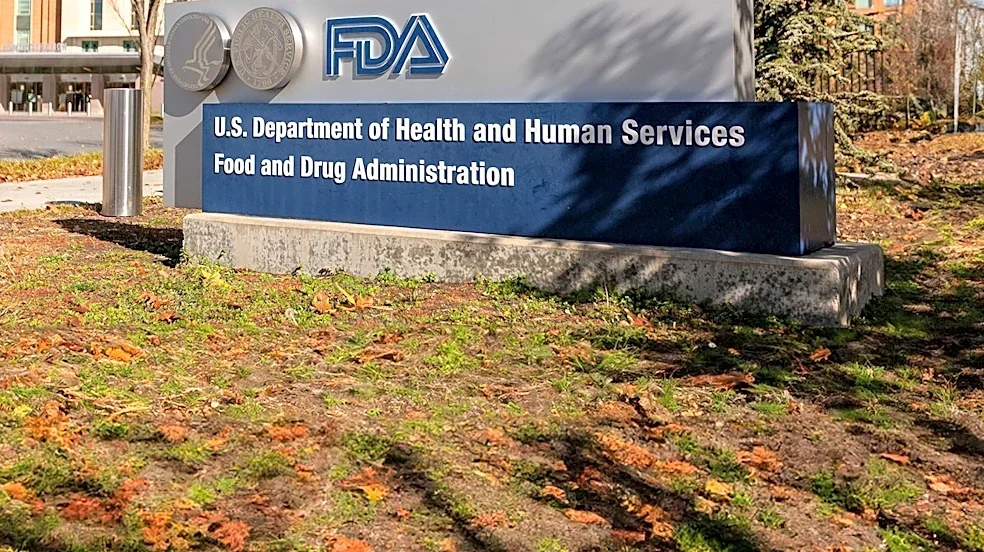
Research Center. These promotions frequently cover non-prescription medications, supplements, men’s health, physical appearance, nutrition, and longevity. A growing trend of 'DIY health-maxxing' involves fitness and wellness influencers pushing peptides, some of which are labeled 'Research Use Only' but marketed for human consumption. The FDA has issued warning letters to several peptide companies for this practice, indicating that marketing these products for human use, despite disclaimers, violates drug laws. The popularity of these products is partly attributed to a post-pandemic mistrust of the medical establishment and the success of FDA-approved GLP-1 medications, which are also peptides.
Why It's Important?
The widespread promotion of health and wellness products by influencers, particularly unapproved peptides, poses significant public health and regulatory challenges in the U.S. Consumers may be exposed to products lacking scientific validation for human use, potentially leading to adverse health outcomes. The 'Research Use Only' disclaimer on some peptide products creates a gray market where substances are sold without the rigorous testing and approval processes mandated by the FDA for human therapeutics. This situation can erode consumer trust in both regulated medical products and the influencer marketing space. The financial incentives for influencers to promote these products, coupled with a public increasingly seeking alternative health solutions, contribute to a complex environment where unverified claims can proliferate, impacting public health and safety.
What's Next?
The FDA is expected to continue monitoring and potentially issuing more warning letters or taking enforcement actions against companies marketing 'Research Use Only' peptides for human consumption. There may be increased scrutiny on social media platforms to regulate health and wellness content, particularly regarding promotional claims for unapproved products. Consumers will likely face ongoing exposure to these promotions, necessitating greater awareness and critical evaluation of health claims made by influencers. The medical community may also intensify efforts to educate the public about the risks associated with unapproved substances and the importance of consulting healthcare professionals for health-related decisions. The direct selling industry, which often utilizes influencer advocacy, may need to adapt its compliance strategies to address the evolving regulatory landscape.
Beyond the Headlines
The phenomenon of wellness influencers promoting unapproved products highlights deeper societal shifts, including a growing skepticism towards traditional medical institutions and a desire for personalized, often 'DIY,' health solutions. This trend is amplified by the pervasive nature of social media, which allows for rapid dissemination of information and direct engagement between influencers and their followers, bypassing traditional gatekeepers of health information. The ethical implications for influencers, who often monetize their platforms through product endorsements, are significant, especially when promoting substances with unproven efficacy or potential risks. This situation also underscores the challenge of regulating online content and the need for a balance between free speech and consumer protection in the digital age. The long-term health consequences of widespread, unregulated peptide use remain largely unknown, creating a potential public health crisis in the future.