




What's Happening?
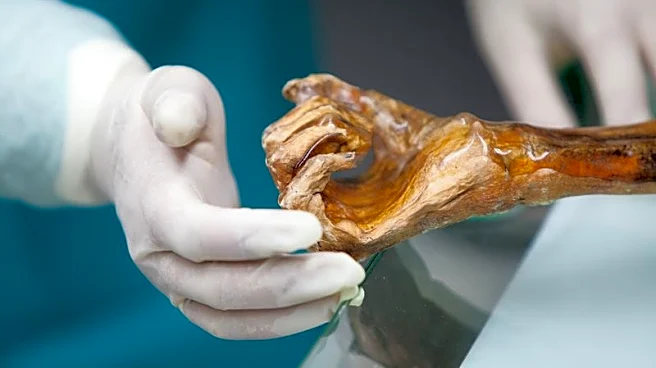
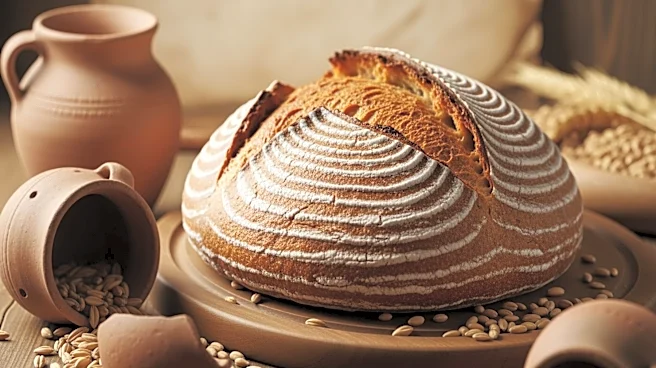
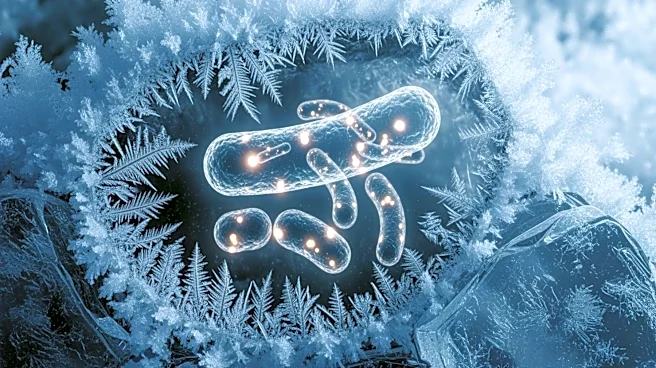
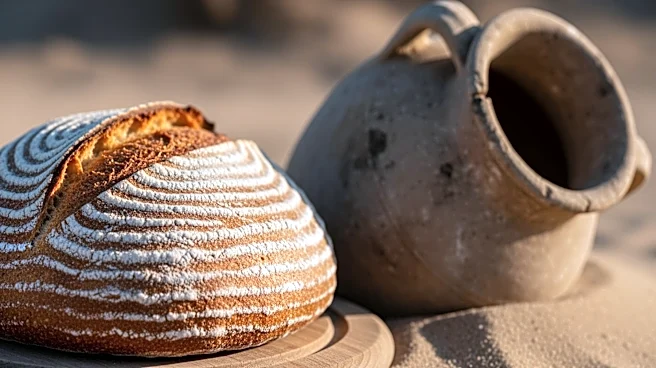
Scientists have successfully baked a sourdough loaf using yeast strains harvested from a 5,000-year-old mummy known as Ötzi the Iceman. Ötzi, discovered in 1991 in the Alpine ice near the Italy-Austria border, has been a subject of extensive study due
to his well-preserved state, which offers insights into prehistoric European life. The yeast, extracted from Ötzi's remains, was used to create a dough that rose within 24 hours, similar to ordinary yeast. This experiment marks the first time such ancient microorganisms have been used in modern food production. The team, led by microbiologist Mohamed Sarhan, is now exploring the possibility of using these yeast strains to brew beer, collaborating with experts from the food sector and German brewer Weihenstephan.
Why It's Important?
This development highlights the intersection of archaeology and modern science, showcasing how ancient biological materials can be repurposed for contemporary applications. The successful use of 5,000-year-old yeast in baking not only provides a unique culinary experience but also opens new avenues for research in food science and microbiology. This could lead to innovative methods of food production and preservation, potentially impacting the food industry by introducing novel flavors and fermentation techniques. Additionally, the project underscores the value of archaeological finds in contributing to scientific advancements beyond historical knowledge.
What's Next?
The research team plans to further explore the potential of these ancient yeast strains by involving specialized research teams from the food sector. The next step includes brewing beer using the same yeast, which could result in a unique beverage with historical significance. This endeavor may attract interest from both the scientific community and the food and beverage industry, potentially leading to collaborations that could expand the scope of ancient microorganism applications. The success of these experiments could inspire similar projects, encouraging the exploration of other archaeological finds for modern uses.
Beyond the Headlines
The use of ancient yeast strains raises intriguing questions about the preservation and viability of microorganisms over millennia. It also touches on ethical considerations regarding the use of human remains for scientific purposes. While the project offers exciting possibilities, it also prompts discussions about the balance between scientific exploration and respect for historical artifacts. Furthermore, the endeavor could influence cultural perceptions of food, blending ancient traditions with modern culinary practices, and potentially sparking a trend in the food industry for products with historical and archaeological significance.