


What's Happening?
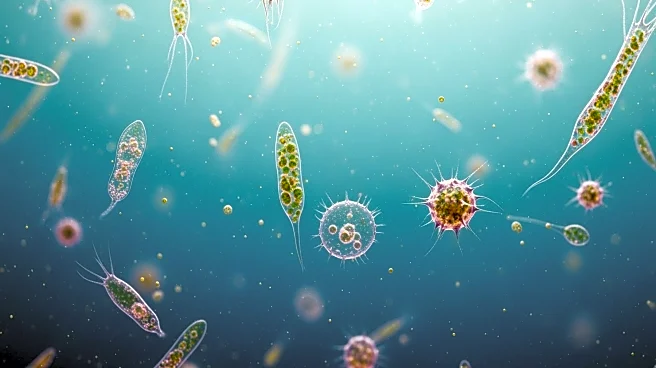
Efforts are underway to integrate marine microbiome research into educational curricula to enhance climate literacy among students. This initiative emphasizes the importance of understanding the ecological roles of marine microorganisms, which are crucial
in regulating climate and marine ecosystems. The call to action involves updating educational policies, creating new pedagogical frameworks, developing teaching materials, and establishing teacher-training programs. The goal is to bridge the gap between scientific discoveries in marine microbiology and climate education, thereby empowering the next generation to make informed environmental decisions.
Why It's Important?
This educational shift is significant as it addresses the often-overlooked role of marine microbes in climate regulation. By incorporating this knowledge into school curricula, students can develop a deeper understanding of climate change mechanisms and the global impacts of marine ecosystems. This initiative not only aims to foster scientific literacy but also to inspire proactive environmental stewardship among young people. As climate change continues to pose a significant threat, equipping future generations with the knowledge to address these challenges is crucial for sustainable development and environmental conservation.
What's Next?
The next steps involve collaboration between scientists, educators, and policymakers to implement these educational changes. This includes revising current science standards to include marine microbiome research and developing comprehensive training programs for teachers. As these initiatives take shape, they are expected to influence educational practices and policies, potentially leading to a more climate-literate society. The success of these efforts will depend on the commitment of educational institutions and the support of governmental and non-governmental organizations in promoting climate education.