





What's Happening?
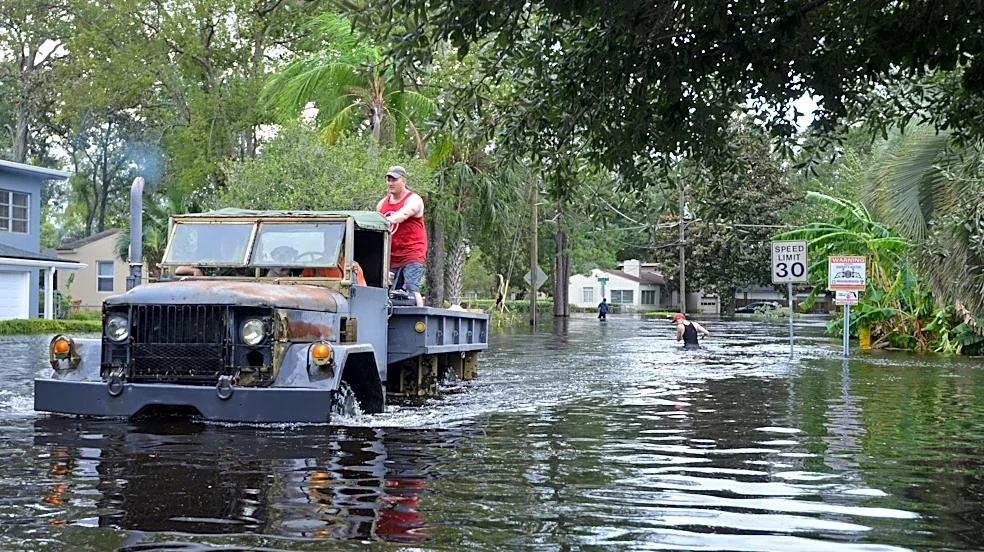
Jacksonville, Florida, is currently experiencing coastal flooding and hazardous beach conditions despite clear skies and sunny weather. According to Katie Garner, The Morning Show Meteorologist, minor tidal flooding is ongoing around high tide within
the St. Johns River basin, Intracoastal Waterway, and parts of the Northeast Florida coast, including Flagler County. Water levels could reach 1.5–1.9 feet above normally dry ground, potentially flooding vulnerable roads, parking lots, and low-lying areas. A Coastal Flood Advisory is in effect for these regions. Additionally, a high risk of rip currents persists through Friday at beaches from St. Simons Island to Flagler Beach, with breakers reaching 3–6 feet. Residents are advised that sunny weather does not equate to safe swimming conditions and are urged to stay out of the ocean and adhere to beach patrol guidance. The forecast indicates strengthening northeast winds, gusting up to 25 mph on Friday, and a cloudier, windier, and wetter weekend with a 70% chance of rain on Saturday.
Why It's Important?
The ongoing coastal flooding and dangerous beach conditions in Jacksonville carry significant implications for local residents, infrastructure, and the regional economy. The potential for water levels to reach nearly two feet above dry ground means that essential transportation routes and commercial areas could be impacted, leading to disruptions in daily life and economic activity. Businesses in low-lying areas, particularly those reliant on tourism or coastal access, may face operational challenges and potential property damage. The high risk of rip currents poses a direct threat to public safety, necessitating increased vigilance from beachgoers and potentially straining emergency services. Furthermore, the forecast for a wetter and windier weekend suggests that these conditions are not temporary, indicating a prolonged period of environmental stress for the region. This situation underscores the vulnerability of coastal communities to weather phenomena and the importance of adhering to advisories to mitigate risks to life and property.
What's Next?
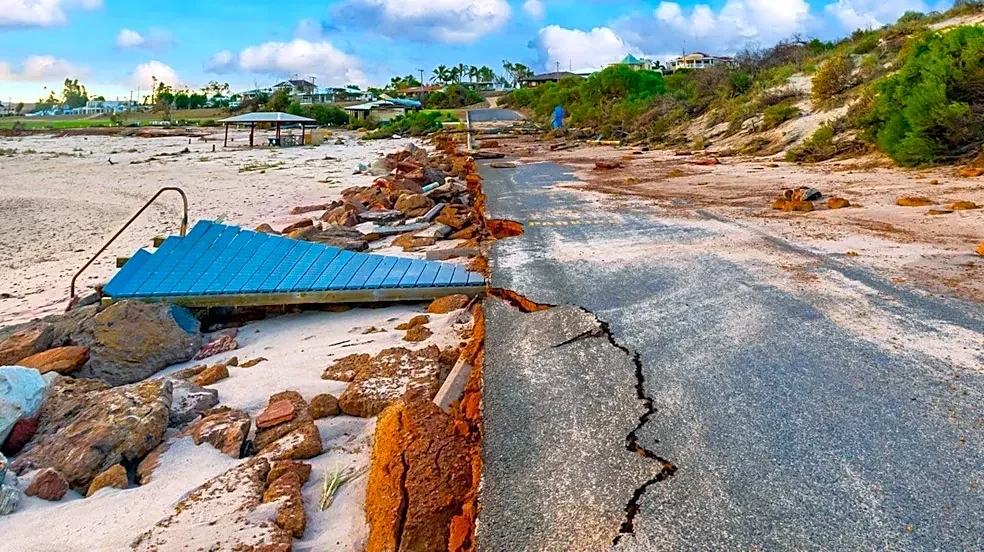
The primary concern moving forward is the anticipated increase in tidal flooding from Saturday morning through Monday. This escalation is attributed to a combination of strong onshore winds and higher astronomical tides coinciding with the full moon. During this period, water levels could reach approximately 2.5 feet above normally dry ground in vulnerable coastal and Intracoastal locations, potentially affecting roads and some structures. Moderate beach erosion is also a possibility. Authorities may issue Coastal Flood Watches or Warnings as the event draws nearer, indicating a heightened level of alert and potential for more severe impacts. Residents in affected areas should prepare for further disruptions and remain informed about official advisories. The weekend forecast also includes a 70% chance of rain on Saturday and a 40% chance on Sunday, which could exacerbate flooding conditions and further complicate recovery efforts.
Beyond the Headlines
The recurring nature of coastal flooding and dangerous beach conditions in Jacksonville, even under seemingly benign weather, highlights a broader challenge faced by many U.S. coastal cities: the increasing impact of climate-related events. This situation points to the long-term need for enhanced urban planning, resilient infrastructure development, and adaptive strategies to cope with rising sea levels and more frequent extreme weather patterns. The economic and social fabric of coastal communities is intrinsically linked to their natural environment, and sustained environmental pressures can lead to significant shifts in property values, insurance costs, and population distribution. Furthermore, the emphasis on public safety warnings regarding rip currents, despite sunny weather, underscores a critical public education challenge. It reveals a need to continuously inform and remind the public about the hidden dangers of natural environments, fostering a culture of preparedness and respect for environmental advisories to prevent tragedies and protect coastal ecosystems.