





What's Happening?
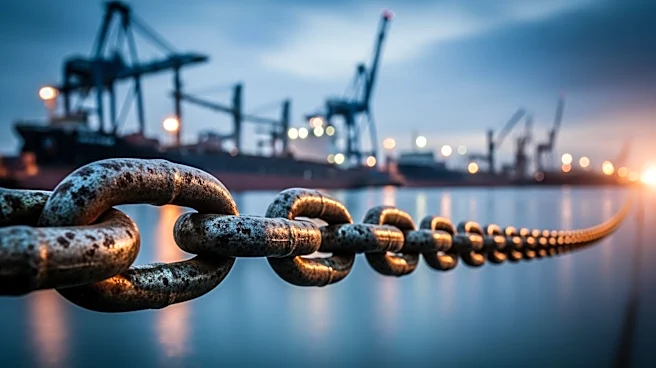
Negotiations between the United States and Iran have reached a stalemate over the reopening of the Strait of Hormuz, a critical global shipping lane. Iran is demanding the release of $24 billion in frozen assets as a condition to reopen the strait, treating
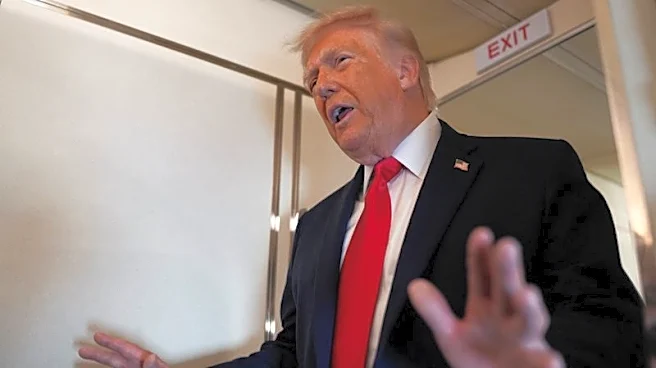
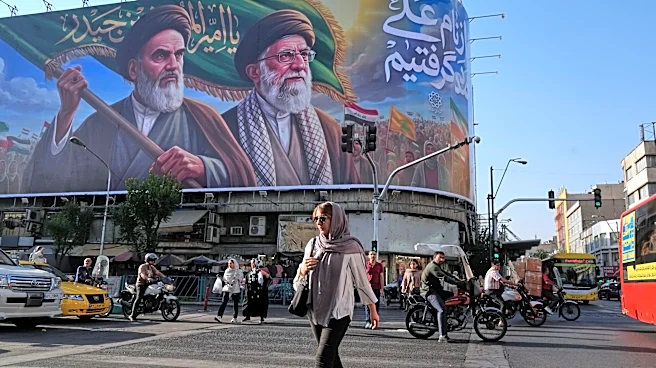
the situation as a hostage negotiation. The U.S., under President Trump, is exploring options to address Iran's nuclear ambitions and the blockade of the strait. The talks are characterized by differing perspectives: Washington views the negotiations through a lens of power, while Tehran sees it as a matter of possession. Iran's strategy involves leveraging the strait as a bargaining chip, similar to past hostage negotiations, to extract concessions from the U.S.
Why It's Important?
The deadlock in negotiations has significant implications for global trade and economic stability. The Strait of Hormuz is a vital artery for the global petroleum trade, handling about one-fifth of the world's oil. Iran's control over the strait through threats and force poses a risk to international energy markets and could lead to increased oil prices. The situation also highlights the complexities of U.S.-Iran relations, where economic sanctions and diplomatic efforts are intertwined with geopolitical strategies. The outcome of these negotiations could set a precedent for future diplomatic engagements and impact the global economy, particularly if military options are considered.
What's Next?
The U.S. faces three primary options: endure the economic pressure while waiting for Iran to relent, concede to Iran's demands by releasing the frozen assets, or attempt to militarily secure the strait. Each option carries significant risks and potential consequences. Enduring the pressure could lead to prolonged economic strain, while conceding might be seen as a diplomatic defeat. Military action could escalate tensions and lead to broader conflict. The international community will be closely watching the developments, as the resolution of this issue could influence global economic and security dynamics.