





What's Happening?
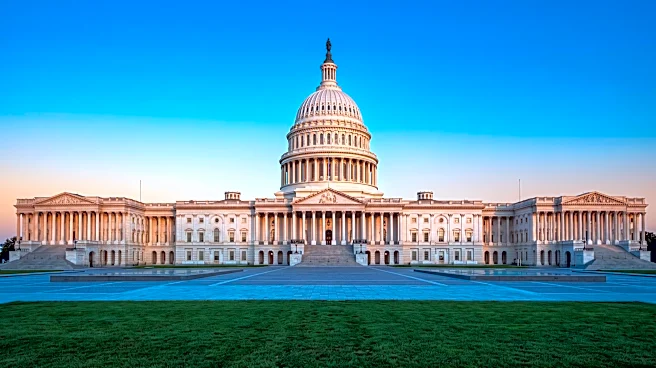
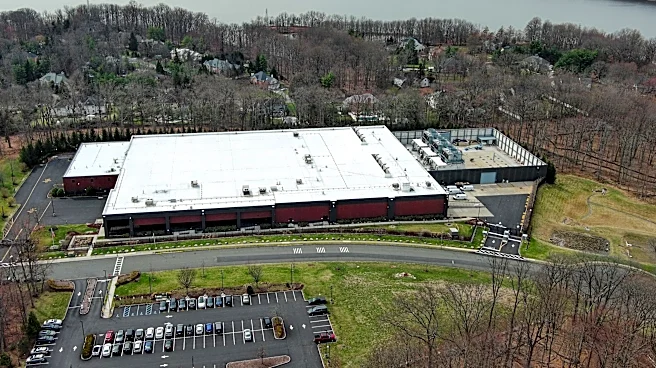
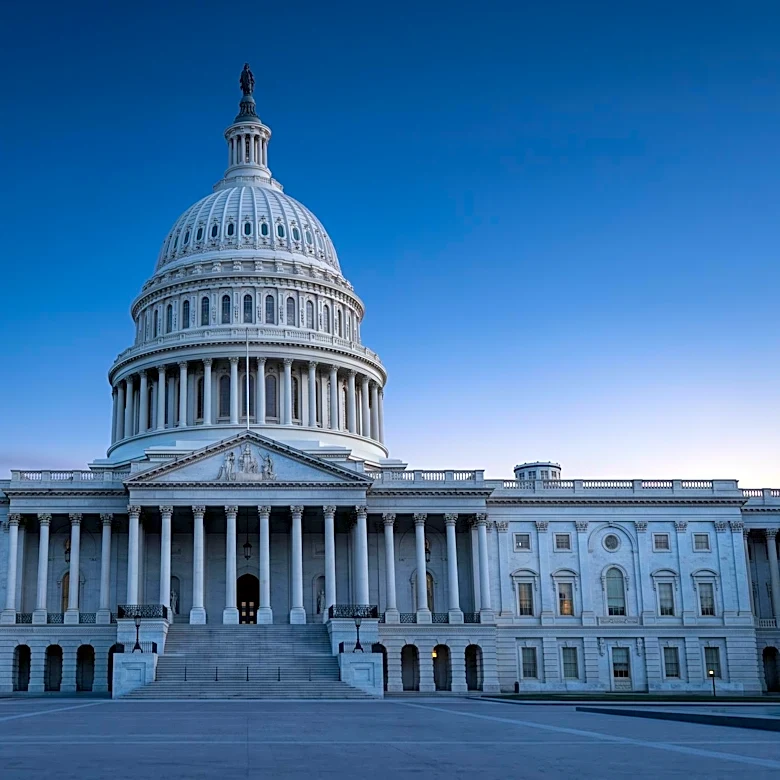
Representatives Alexandria Ocasio-Cortez and Jim McGovern, along with Senator Bernie Sanders, have co-sponsored the AI Data Center Moratorium Act (S.2414 and H.R. 9442) in Congress. This proposed legislation aims to establish a temporary prohibition on the construction
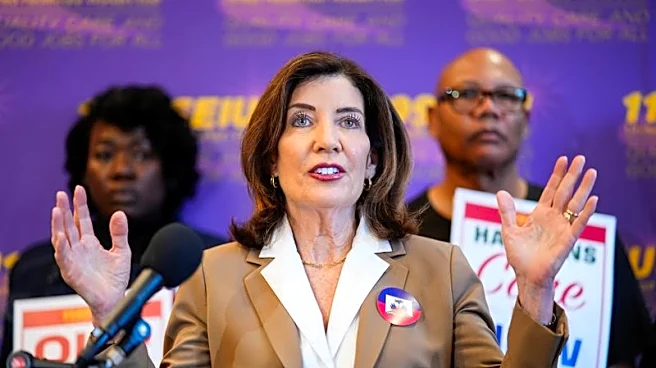
of new data centers. The moratorium would remain in effect until Congress enacts comprehensive legislation to address the economic, environmental, and safety impacts associated with artificial intelligence. This federal initiative comes as numerous municipalities across Massachusetts, including Greenfield, Lowell, Mansfield, Holyoke, Westfield, Southbridge, Agawam, and Leominster, have already implemented or are considering their own moratoriums or bans on data center development due to concerns over energy consumption, water usage, and local control. New York Governor Kathy Hochul also issued an Executive Order for a one-year pause on data centers, citing similar concerns.
Why It's Important?
The introduction of the AI Data Center Moratorium Act at the federal level signifies a growing national concern over the rapid expansion of data centers and their broad implications. This legislative effort reflects a recognition that the current regulatory frameworks may be insufficient to manage the significant demands these facilities place on energy grids, water resources, and local infrastructure. If passed, a federal moratorium would provide a crucial pause, allowing policymakers to develop comprehensive strategies to mitigate potential negative impacts, such as increased utility bills for residents and environmental strain. The widespread local and state-level actions underscore a grassroots movement pushing back against unchecked development, highlighting a potential conflict between state economic development goals and local community concerns about resource allocation and environmental sustainability.
What's Next?
The AI Data Center Moratorium Act will now proceed through the legislative process in Congress, where it will likely undergo committee review and debate. Its passage would halt new data center construction nationwide, prompting a period of intense legislative activity to craft comprehensive regulations for the AI industry. Meanwhile, state and local governments will continue to grapple with existing and proposed data center projects, potentially leading to further local moratoriums or stricter zoning ordinances. The actions by governors like Kathy Hochul in New York and Maura Healey in Massachusetts, which require data centers to provide their own clean energy or contribute to ratepayer protection funds, indicate a trend towards states imposing more stringent conditions on these developments. The ongoing tension between state promotion of data centers and local control will likely continue to be a significant point of contention.
Beyond the Headlines
The push for a federal moratorium on data centers highlights a broader societal reckoning with the rapid advancement of artificial intelligence and its infrastructural demands. Beyond immediate economic and environmental concerns, there are deeper questions about the long-term societal costs and benefits of unchecked AI development. The debate touches upon issues of energy justice, ensuring that the energy demands of new technologies do not disproportionately burden existing residents through higher utility costs. Furthermore, it raises questions about local autonomy versus state and federal prerogatives in land use and economic development. The legislative efforts and local pushback signal a growing awareness that technological progress must be balanced with sustainable development and community well-being, potentially setting precedents for how future disruptive technologies are integrated into society.