








What's Happening?
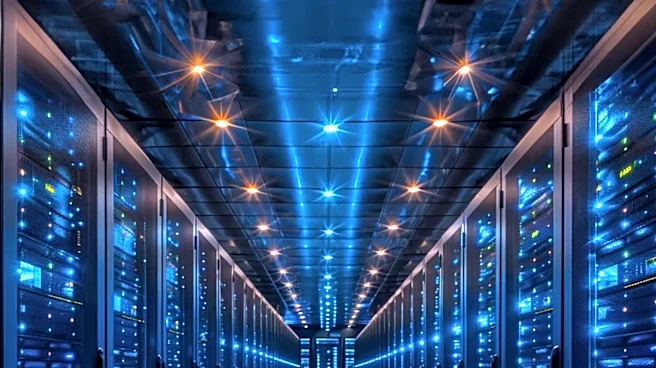
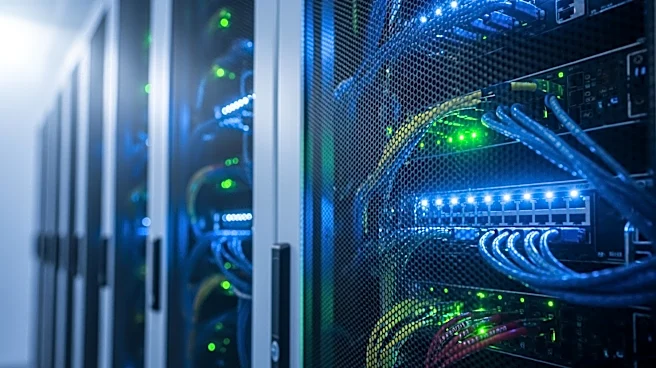
The rapid expansion of data centers across the United States is becoming a significant factor in the upcoming midterm elections. Over 200 data centers are being constructed in competitive House districts, creating a complex political landscape for both
major parties. The growth of these energy-intensive facilities, driven by the increasing demand for artificial intelligence and cloud computing, has sparked public opposition due to concerns over rising electricity bills, water consumption, and the influence of the tech industry. This opposition has led to data centers becoming a focal point in campaign ads and local political debates. The issue is particularly pronounced in 40 out of 69 competitive districts where data centers are either planned or under construction. Lawmakers are divided on how to address the challenges posed by data centers, with some advocating for economic development and national security benefits, while others push for stricter regulations to protect consumers from increased utility costs.
Why It's Important?
The expansion of data centers has significant implications for U.S. politics and the economy. As these facilities require substantial energy resources, they can lead to higher utility costs for local residents, which becomes a contentious issue in political campaigns. The tech industry's influence in these developments also raises concerns about the balance of power between local communities and large corporations. The political response to data centers could shape future regulatory frameworks and impact the tech industry's growth trajectory. Additionally, the issue highlights the broader debate over sustainable development and environmental responsibility, as data centers contribute to increased energy consumption and potential environmental risks. The outcome of the midterm elections could determine the direction of policies affecting data center operations and their integration into local economies.
What's Next?
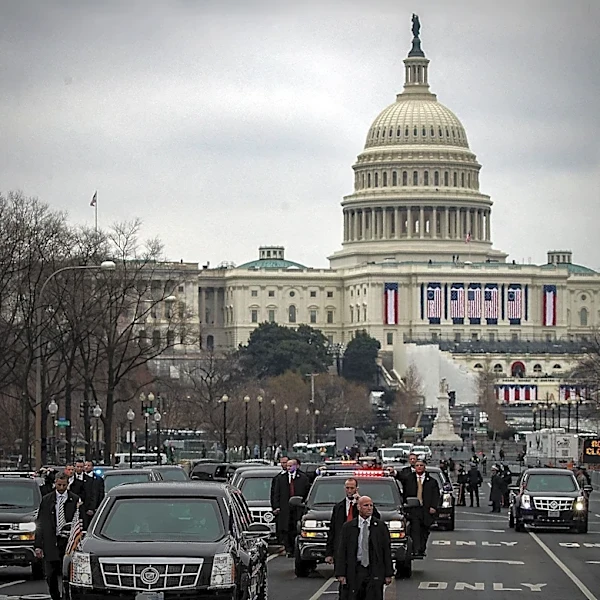
As the midterm elections approach, candidates and political parties are likely to refine their positions on data center regulations to align with voter concerns. The White House and Congress may continue to explore regulatory measures to address the economic and environmental impacts of data centers. Local governments and community groups are expected to play a crucial role in shaping the discourse around data center development, potentially influencing legislative actions at both state and federal levels. The tech industry may also increase its lobbying efforts to protect its interests and ensure favorable conditions for data center expansion. The ongoing debate over data centers is poised to remain a significant issue in U.S. politics, with potential long-term implications for energy policy and technological infrastructure.
Beyond the Headlines
The data center boom underscores the growing tension between technological advancement and environmental sustainability. As data centers become more prevalent, they highlight the need for innovative solutions to balance economic growth with environmental stewardship. The debate over data centers also reflects broader societal concerns about the role of technology in everyday life and the power dynamics between large corporations and local communities. This issue may prompt a reevaluation of how technological infrastructure is integrated into urban planning and development strategies. Additionally, the political discourse surrounding data centers could influence public perceptions of the tech industry and its responsibility towards environmental and social issues.