




What's Happening?
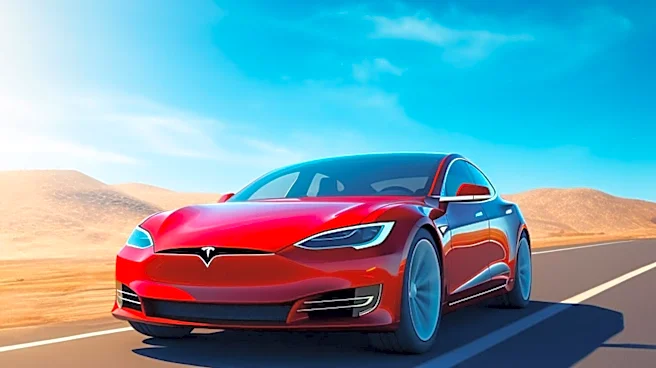
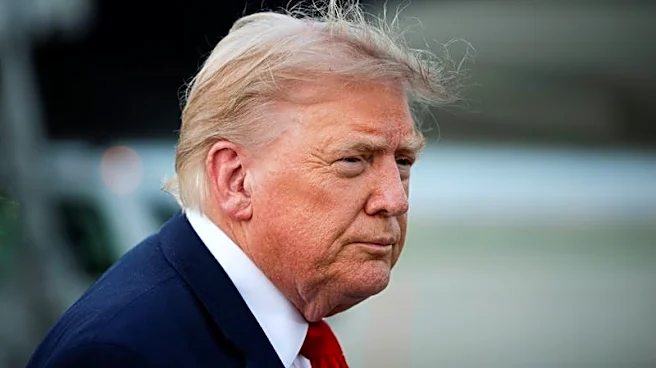
Despite President Trump's efforts to curb electric vehicle (EV) sales through legislative measures, California has seen a significant increase in EV purchases. The 'One Big Beautiful Bill Act' (OBBA), passed by Trump's Republican majority, ended the $7,500
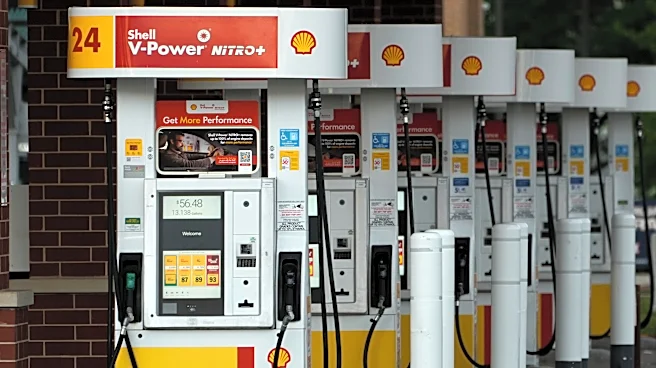
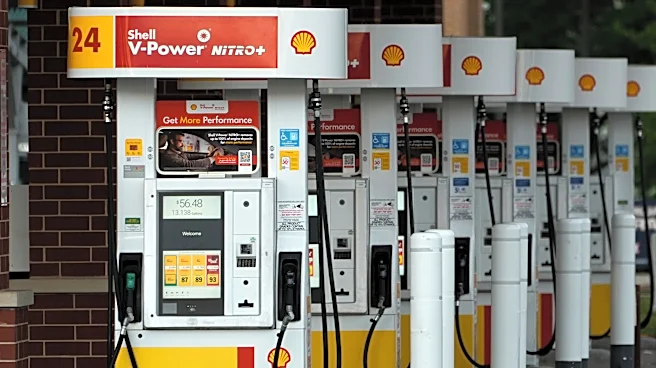
federal EV tax credit, leading to an initial drop in sales. However, the California Energy Commission reported a 19.1% increase in zero-emission vehicle sales in the second quarter of 2026, a 3.3 percentage point rise from the previous quarter. This growth occurred despite the absence of federal tax incentives, with 75,597 full battery-powered EVs sold. The increase is attributed to rising gasoline prices following Trump's military actions in Iran, which have made EVs more appealing to consumers.
Why It's Important?
The rise in EV sales in California highlights the resilience of the state's clean energy policies against federal opposition. California's ability to maintain and even grow its EV market share without federal incentives underscores the state's leadership in environmental standards and clean technology adoption. This development is significant for the auto industry, as it demonstrates a shift in consumer preferences towards sustainable transportation options, potentially influencing automakers' strategies nationwide. The situation also reflects broader tensions between state and federal policies, particularly in areas like environmental regulation and energy independence.
What's Next?
California plans to further boost EV sales with the introduction of the 'MyFirstEV' incentive program, offering rebates to first-time EV buyers. This initiative, set to launch soon, aims to make EVs more accessible and affordable, potentially increasing market penetration. The ongoing legal battle between California and the Trump administration over emissions standards could also shape future regulatory landscapes. As gasoline prices remain high due to geopolitical tensions, the economic appeal of EVs is likely to grow, potentially accelerating the transition to electric mobility in the U.S.