




What's Happening?
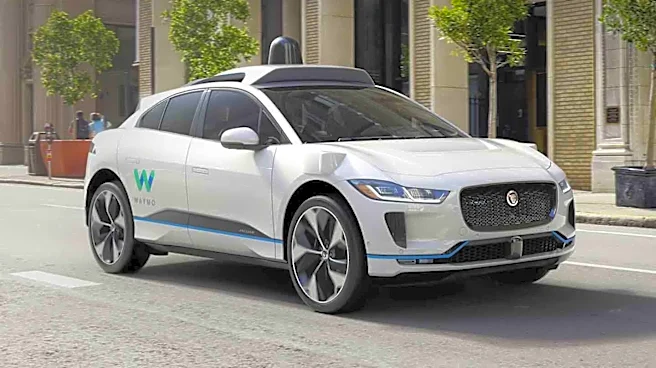
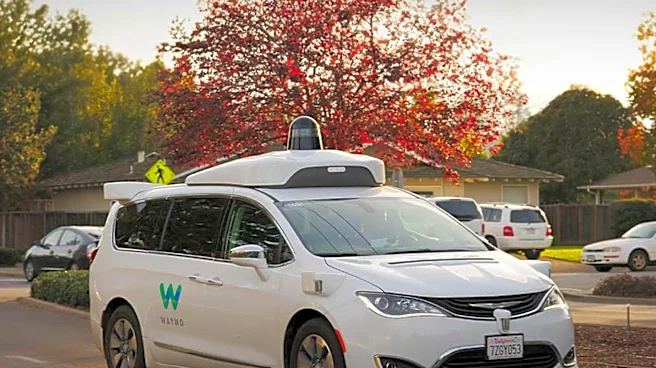
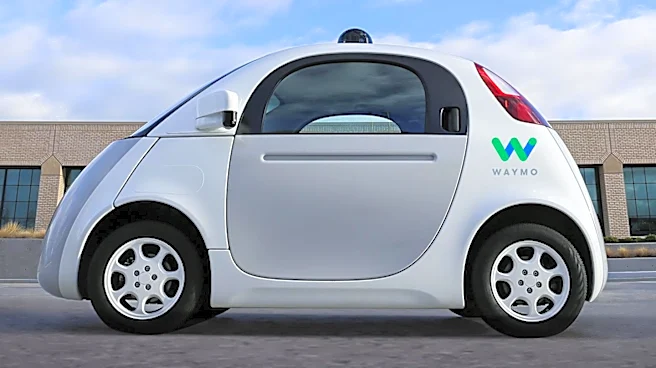
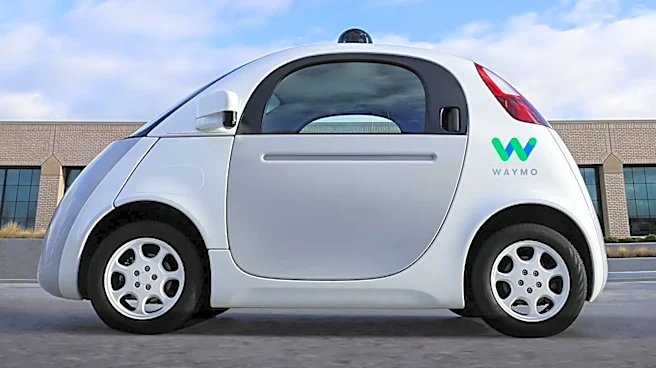
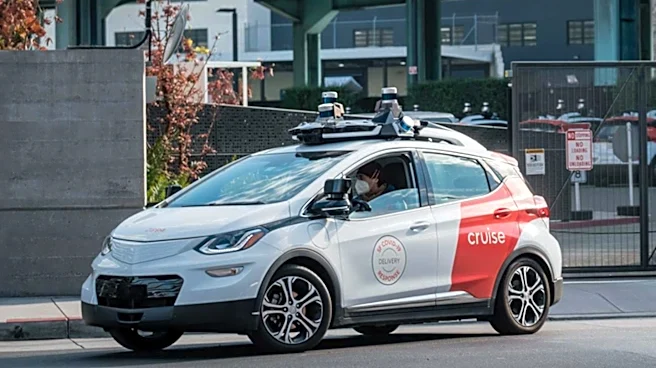
In Atlanta, a recent incident involving Waymo's self-driving taxis has highlighted potential issues with autonomous vehicle technology. Three Waymo taxis came to a halt at an intersection, causing significant traffic congestion. The vehicles were stopped
at a flashing red light, which typically signals drivers to stop and proceed when safe. However, without human intervention, the taxis remained stationary, blocking three lanes and frustrating drivers. This incident is not isolated, as similar occurrences have been reported, including a situation where 40 to 50 Waymo taxis were stuck due to confusion over a traffic signal. These events raise questions about the reliability and readiness of self-driving technology in real-world traffic scenarios.
Why It's Important?
The incident underscores the challenges and potential drawbacks of integrating self-driving technology into urban traffic systems. While autonomous vehicles promise to reduce human error and improve traffic efficiency, their inability to handle certain real-world situations can lead to significant disruptions. This is particularly concerning for cities like Atlanta, where traffic congestion is already a major issue. The situation also highlights the need for further development and testing of autonomous systems to ensure they can safely and effectively navigate complex traffic environments. Stakeholders, including city planners and technology developers, must address these challenges to realize the full potential of self-driving technology.
What's Next?
As autonomous vehicle technology continues to evolve, companies like Waymo will need to refine their systems to better handle unexpected traffic scenarios. This may involve improving sensor technology, enhancing decision-making algorithms, and increasing collaboration with city traffic management systems. Additionally, regulatory bodies may need to establish clearer guidelines and safety standards for the deployment of self-driving vehicles. Public perception and acceptance of autonomous technology will also play a crucial role in its future adoption. Ongoing incidents like the one in Atlanta could influence public opinion and regulatory decisions, potentially impacting the pace of autonomous vehicle integration.