








What's Happening?
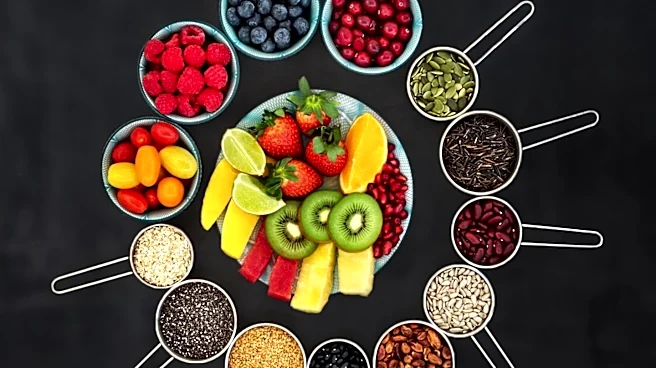
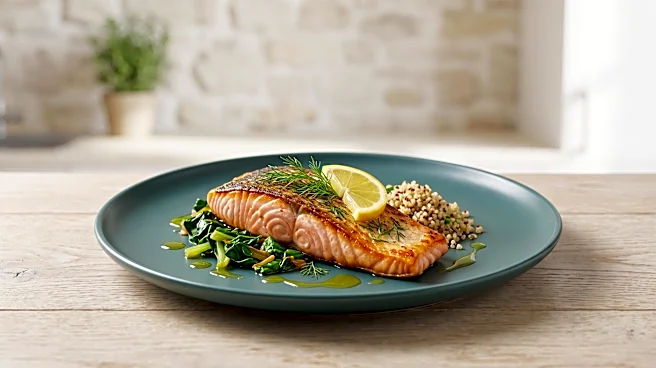
Brain-health diet interventions, including the consumption of berries and leafy green vegetables, have demonstrated cognitive benefits in various studies. The Mediterranean and MIND diets, which emphasize vegetables, berries, nuts, whole grains, fish,
and olive oil, are linked to improved cognitive health and a reduced risk of dementia. Specific dietary interventions, such as prebiotic supplementation and the ancestral diet-inspired Mikhuna trial, have also shown positive effects on cognitive function, particularly in older adults and pregnant women. For instance, a study on blueberry supplementation improved cognitive function measures in overweight adults aged 50 to 65, and increased green vegetable intake was associated with slower cognitive decline in older adults. Similarly, a 2024 review found higher fish consumption linked to a lower likelihood of cognitive impairment and dementia. However, experts caution against interpreting these findings as personalized dietary prescriptions, emphasizing the need for broader research and a multi-domain approach to cognitive aging.
Why It's Important?
The growing body of research on brain-health diets is significant for public health in the U.S., where an aging population faces increasing concerns about cognitive decline and dementia. With over 55 million people globally living with dementia in 2020, projected to rise to 78 million by 2030, dietary strategies offer a potentially accessible and impactful avenue for prevention and management. The emphasis on whole food patterns like the Mediterranean and MIND diets provides actionable guidance for individuals seeking to support their brain health. However, the expert caution against personalized dietary prescriptions based on current findings is crucial. It prevents the public from making potentially misguided or overly restrictive dietary changes without sufficient scientific backing, highlighting the complexity of cognitive aging and the need for comprehensive, evidence-based approaches rather than relying on single 'superfoods.'
What's Next?
Future research will likely focus on establishing clearer cause-and-effect relationships between specific dietary patterns and cognitive outcomes, moving beyond observational studies. There is a need for more randomized controlled trials to validate the long-term efficacy of various dietary interventions and supplements. Experts will continue to advocate for a multi-domain approach to cognitive aging, integrating diet with other lifestyle factors such as physical activity, cognitive training, and management of vascular and metabolic risk factors. The World Health Organization's 2026 guidelines already recommend a healthy, balanced dietary pattern for adults with normal cognition or mild cognitive impairment, suggesting that future public health recommendations will continue to evolve towards comprehensive strategies rather than isolated dietary advice. Further investigation into the gut-brain axis and its modifiability at any age will also be a key area of focus.
Beyond the Headlines
The discussion around brain-health diets extends beyond mere food choices, touching upon broader societal implications related to health equity and access to nutritious foods. While certain diets are highlighted for their benefits, the accessibility and affordability of these foods for all socioeconomic groups in the U.S. remain a challenge. The caution against personalized dietary prescriptions also underscores the ethical considerations in health communication, particularly in an era of widespread health information and misinformation. It highlights the responsibility of researchers and health professionals to present findings accurately and avoid oversimplification that could lead to unnecessary anxiety or ineffective interventions. This nuanced approach is vital for fostering public trust and ensuring that dietary advice is both scientifically sound and practically applicable across diverse populations.