





What's Happening?
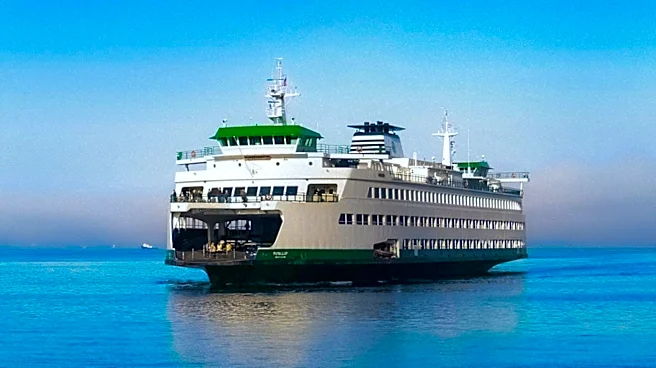
Washington State Ferries (WSF), the largest ferry operator in the United States, has issued a Notice to Proceed to ABB for the supply and integration of the power and propulsion system for a third hybrid-electric newbuild ferry. This order expands ABB's
involvement in WSF's electrification program, which initially covered two vessels. The new ferry, like its predecessors, will feature an integrated hybrid-electric power and propulsion solution centered on ABB's Onboard DC Grid and Power and Energy Management System (PEMS). This system is designed to optimize energy use, reduce reliance on diesel engines, and enable all-electric, zero-emissions operations on shorter routes and in port, supported by a 13.2-megawatt-hour energy storage system.
Why It's Important?
This expansion of Washington State Ferries' hybrid-electric fleet signifies a significant step towards decarbonizing maritime transport in the U.S. The program aims for substantial emission reductions by 2040, targeting 76% in carbon dioxide, 75% in sulfur oxides, 94% in nitrous oxides, and 90% in particulate matter, with an ultimate goal of an emission-free fleet by 2050. This initiative not only contributes to environmental sustainability but also sets a precedent for other ferry operators and maritime industries in the U.S. to adopt cleaner technologies. The investment in hybrid-electric systems can lead to long-term operational cost savings through reduced fuel consumption and maintenance, while also improving air quality in coastal communities.
What's Next?
The integration of ABB's systems into the third hybrid-electric ferry will proceed, with the vessel expected to join the WSF fleet as part of its broader plan to acquire up to 16 new hybrid-electric ferries by 2040. This ongoing transition will require continuous collaboration between WSF, ABB, and shipbuilders to ensure the successful deployment and operation of these advanced vessels. Future steps will likely involve further orders for additional ferries, continued monitoring of the environmental and economic performance of the hybrid fleet, and potential technological advancements to enhance efficiency and reduce emissions even further. The success of this program could influence policy decisions and funding for similar green maritime initiatives nationwide.
Beyond the Headlines
The shift towards hybrid-electric ferries by Washington State Ferries reflects a growing global trend in the maritime sector to reduce its carbon footprint. This move has broader implications for the U.S. shipbuilding industry, driving innovation in electric propulsion and energy storage technologies. It also highlights the role of public transportation agencies in leading environmental stewardship and adopting cutting-edge solutions. The project could foster a skilled workforce in green maritime technologies and stimulate economic growth in related sectors. Furthermore, it underscores the increasing public and regulatory pressure on industries to embrace sustainable practices, positioning the U.S. as a leader in environmentally responsible transportation.