





What's Happening?
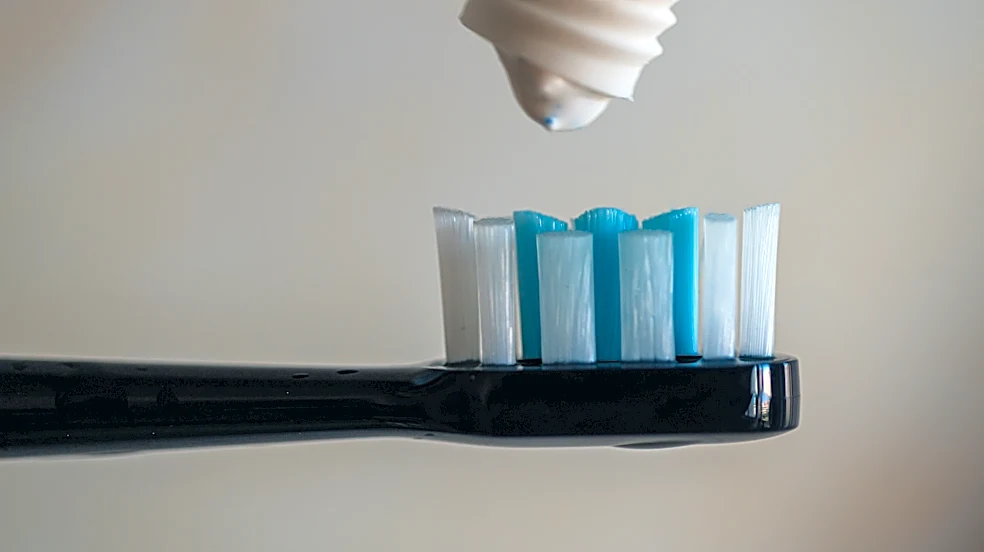
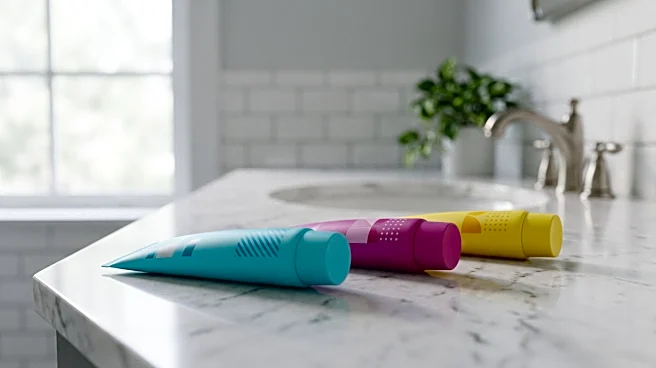
The U.S. Food and Drug Administration (FDA) has announced a Class II recall of approximately 4.3 million tubes of toothpaste manufactured by Pritam International Private Limited in India. This recall, initiated voluntarily by the manufacturer on September
10 and classified by the FDA on October 19, affects various brands including Brush Buddies, evo, and ARU. Notably, a significant portion of the recalled products are children's toothpastes featuring popular characters like Barbie, Hot Wheels, and Crayola. The reason for the recall is cited as deviations from current good manufacturing practice (CGMP) rules. Ashtel Studios Inc. of Ontario, California, distributed these products nationwide. This marks at least the second time in under 18 months that an Indian manufacturer has had a toothpaste recall exceeding 4 million units due to similar manufacturing practice deviations. The FDA has not specified the exact manufacturing failure or how the problem was discovered, and no illnesses or injuries have been reported in connection with this recall.
Why It's Important?
This recall is significant because it highlights ongoing concerns regarding the quality control of imported over-the-counter drug products, particularly those used by vulnerable populations like children. Fluoride toothpaste is classified as an over-the-counter drug, and adherence to CGMP rules is crucial to ensure its identity, strength, quality, and purity. The repeated occurrence of large-scale recalls from Indian manufacturers for CGMP deviations suggests a systemic issue that could impact consumer trust in imported health products. While the Class II classification indicates that health effects are expected to be temporary or reversible with a low risk of serious harm, the lack of detailed information about the specific manufacturing failures leaves consumers and regulators with unanswered questions. This situation underscores the challenges the FDA faces in overseeing global supply chains and ensuring product safety for the U.S. market, especially when products are widely distributed and used daily by families.
What's Next?
The recall is currently ongoing, and the FDA's weekly enforcement reports will continue to be the primary source for any updates, including additional affected lots, a stated cause for the manufacturing deviations, or further actions against the manufacturer. Consumers who have purchased the recalled toothpaste are advised to compare the lot number and expiration date on their tubes with the FDA enforcement report. If a match is found, they should discontinue use, photograph the label, and contact the retailer or manufacturer for a return or refund. Parents are encouraged to switch to an unaffected fluoride toothpaste for their children and to consult a pediatrician or dentist if any new symptoms appear after using a recalled tube. The FDA may also consider further actions against Pritam International Private Limited, similar to the warning letter issued to another Indian toothpaste maker, Daxal Cosmetics Private Limited, in 2023 for failing to respond to record requests.
Beyond the Headlines
The recurring nature of large-scale toothpaste recalls from Indian manufacturers due to CGMP deviations points to a broader issue of regulatory oversight and compliance in the global pharmaceutical and health product supply chain. This situation raises questions about the effectiveness of current inspection and enforcement mechanisms for imported goods. For consumers, particularly parents, the reliance on federal databases for recall information can be a significant barrier, as many shoppers do not routinely monitor these reports. This incident could prompt discussions about enhancing public awareness campaigns for product recalls and improving transparency from manufacturers and regulatory bodies regarding the specifics of manufacturing failures. It also underscores the ethical responsibility of manufacturers to ensure product quality, especially for items marketed to children, and the need for robust international cooperation to uphold safety standards for products entering the U.S. market.