






What's Happening?
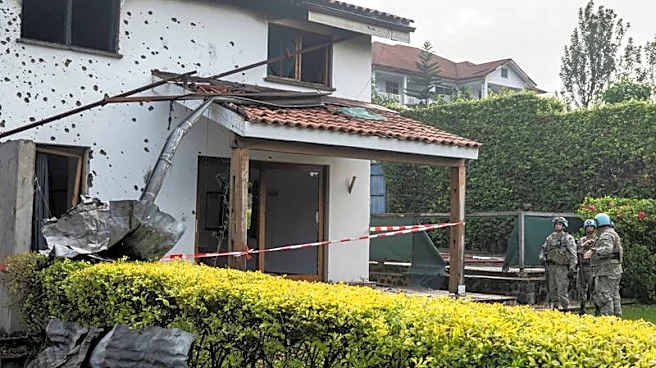
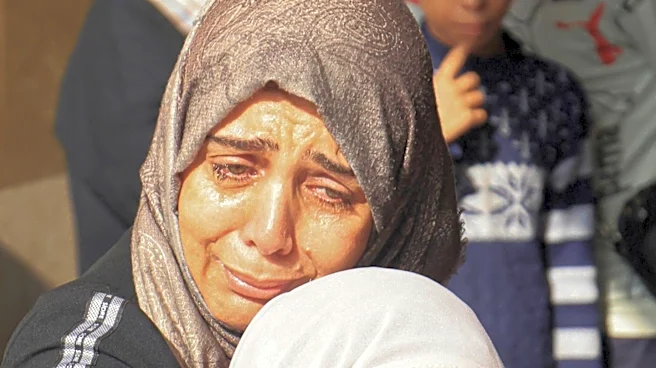
Tigrayan rebels have reported a drone strike on a residential area in Mekelle, the regional capital of Ethiopia's Tigray region, on Thursday. Amanuel Assefa, vice president of the Tigray People’s Liberation Front (TPLF), confirmed the strike to AFP, stating
that it targeted a residential area, though details on casualties were not immediately available. This incident follows another drone strike near Mekelle on Tuesday, which reportedly caused no casualties. The strikes occur amidst escalating tensions between Tigrayan and federal forces, with both sides accusing each other of preparing for a new conflict. This renewed aggression threatens the peace agreement signed in Pretoria in November 2022, which ended a two-year civil war that resulted in hundreds of thousands of deaths from fighting, hunger, and healthcare collapse. Drone strikes in the region have been reported since January, with an increase in tempo this month, including alleged attacks near the Sudanese border and close to the Amhara border.
Why It's Important?
The reported drone strike in Mekelle signifies a dangerous escalation in the fragile peace between the Tigray region and the Ethiopian federal government. The 2022 peace agreement was a critical step towards ending a devastating conflict, and any violation, particularly through military action like drone strikes, risks reigniting widespread hostilities. This could lead to a renewed humanitarian crisis, further displacement of populations, and severe economic disruption in an already vulnerable region. The use of drones also raises concerns about civilian casualties and the adherence to international humanitarian law. For Ethiopia, a return to conflict in Tigray would divert resources from national development, undermine efforts to achieve stability, and further strain its international relations. The instability in Tigray also has broader implications for the Horn of Africa, potentially drawing in neighboring countries and exacerbating regional tensions.
What's Next?
The immediate aftermath of the drone strike will likely involve investigations into the incident and further accusations from both sides. The TPLF will likely call for international condemnation and intervention, while the federal government may deny responsibility or justify its actions as counter-terrorism measures. The international community, particularly signatories and facilitators of the Pretoria peace agreement, will likely urge both parties to de-escalate and adhere to the terms of the agreement. There may be renewed diplomatic efforts to mediate between the Tigrayan and federal forces to prevent a full-scale return to war. However, if tensions continue to mount and military actions persist, the peace agreement could completely collapse, leading to a resumption of the civil war, with devastating consequences for the people of Tigray and the broader region. The focus will be on whether either side takes concrete steps towards de-escalation or if the cycle of violence continues.
Beyond the Headlines
The drone strike in Mekelle highlights the persistent challenges of post-conflict peacebuilding and the deep-seated mistrust that can linger even after a peace agreement. The use of advanced military technology, such as drones, in internal conflicts raises ethical questions about accountability, civilian protection, and the potential for disproportionate harm. It also underscores the difficulty of monitoring and enforcing peace agreements in regions with complex political and ethnic dynamics. The underlying grievances and power struggles that fueled the initial conflict may not have been fully resolved by the peace deal, making the region susceptible to renewed violence. This situation also serves as a stark reminder of the human cost of prolonged conflict, where communities struggle to rebuild amidst the constant threat of renewed hostilities, impacting long-term development, education, and public health. The international community's role in ensuring lasting peace and addressing the root causes of conflict remains crucial.