
What's Happening?
A recent poll conducted by The Associated Press and the NORC Center for Public Affairs Research indicates that more U.S. adults are experiencing the effects of extreme heat, although fewer believe in climate
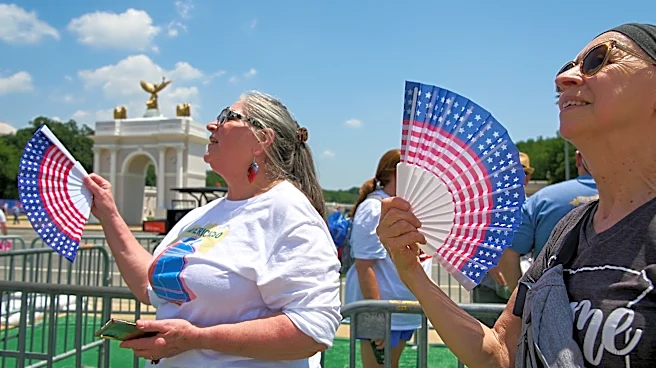
change. The survey, which included 1,165 Americans, found that 66% believe climate change is occurring, a slight decrease from previous years. However, a significant number of respondents reported that extreme heat has had a major impact on their daily activities, such as outdoor recreation, travel plans, and energy consumption. The poll highlights regional differences, with the Midwest and West Coast experiencing higher impacts.
Why It's Important?
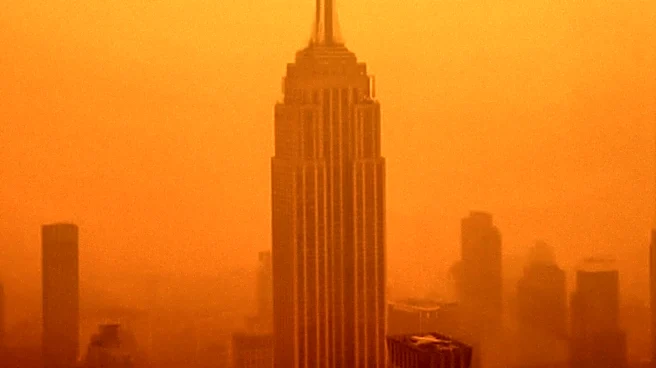
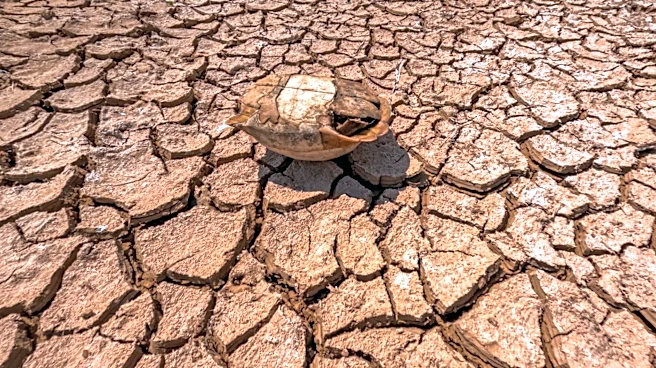
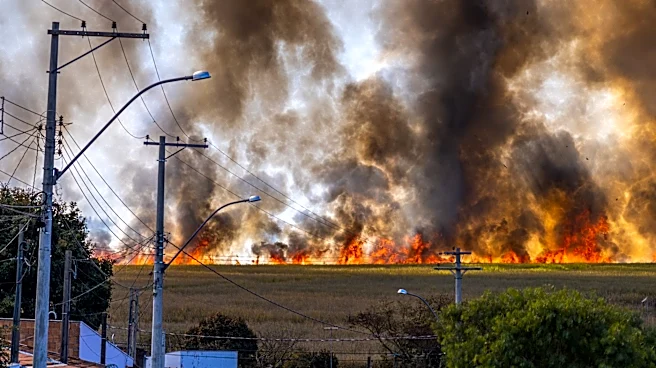
The findings underscore the growing challenge of extreme heat as a public health and economic issue. Rising temperatures can exacerbate drought conditions, increase the risk of wildfires, and strain energy infrastructure. The impact on daily life, including increased electricity bills and disrupted routines, highlights the need for adaptive measures to protect vulnerable populations and ensure energy security. The poll also reflects the ongoing debate over climate change and the importance of public awareness and education in addressing environmental challenges.
What's Next?
As extreme heat events become more frequent, policymakers and communities must prioritize strategies to mitigate their effects. This includes investing in infrastructure improvements, enhancing emergency response systems, and promoting energy efficiency. Public education campaigns can help raise awareness about the risks of extreme heat and encourage behavioral changes to reduce energy consumption. Additionally, addressing the root causes of climate change through policy measures and international cooperation remains critical to mitigating long-term impacts.
Beyond the Headlines
The poll results highlight the complex relationship between public perception and climate action. While many Americans acknowledge the impact of extreme heat, skepticism about climate change persists. Bridging this gap requires effective communication and engagement strategies that connect personal experiences with broader environmental issues. Building public trust and consensus is essential for advancing meaningful climate policies and fostering a sustainable future.