






What's Happening?
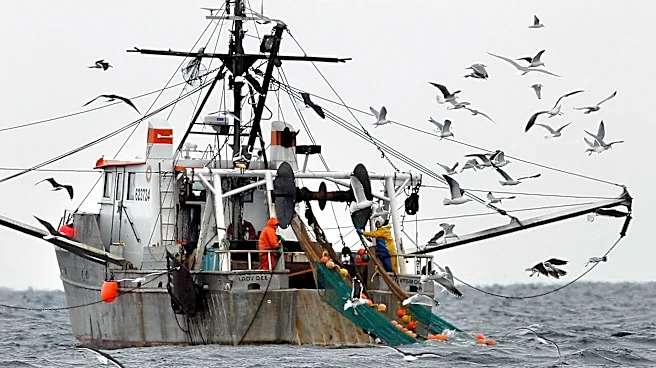
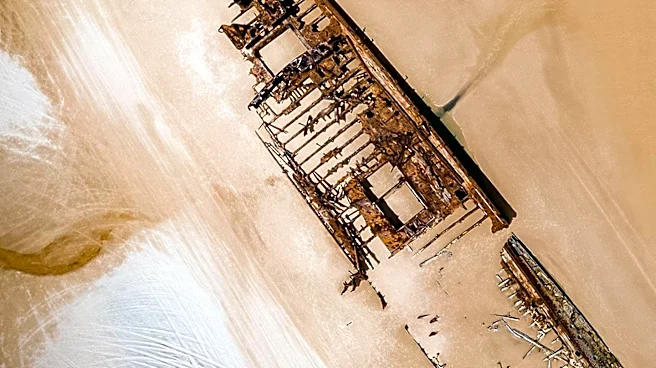
A salvage operation is set to begin for the Arctic Sea, a 134-foot fishing vessel that grounded on the coast of St. George, Alaska, in January. The vessel, which was carrying 50,000 gallons of diesel and other hazardous materials, has been leaking pollutants
into the surrounding waters. The Alaska Department of Environmental Conservation (DEC) has reported that ten of the vessel's eleven fuel tanks have emptied into the sea, creating a significant environmental hazard. Salvage teams have been preparing for the removal operation, which is scheduled to start in early August, pending favorable weather conditions.
Why It's Important?
The grounding of the Arctic Sea poses a significant environmental threat to the sensitive marine ecosystem around St. George. The spill of diesel and other pollutants could have long-term impacts on marine life and local fisheries, which are vital to the region's economy. The salvage operation is crucial to mitigate these environmental risks and prevent further damage. This incident highlights the challenges of maritime operations in harsh Arctic conditions and the need for robust response strategies to address such emergencies.
What's Next?
The salvage operation is expected to proceed as soon as weather conditions permit, with the goal of removing the wreck before the onset of winter. The DEC and other stakeholders will continue to monitor the situation closely to ensure the operation's success and minimize environmental impact. The outcome of this operation could influence future policies and preparedness measures for maritime incidents in the Arctic region.
Beyond the Headlines
This incident underscores the broader challenges of operating in the Arctic, where harsh weather and remote locations complicate response efforts. It raises questions about the adequacy of current regulations and infrastructure to handle such emergencies and the need for international cooperation to protect the Arctic environment.